
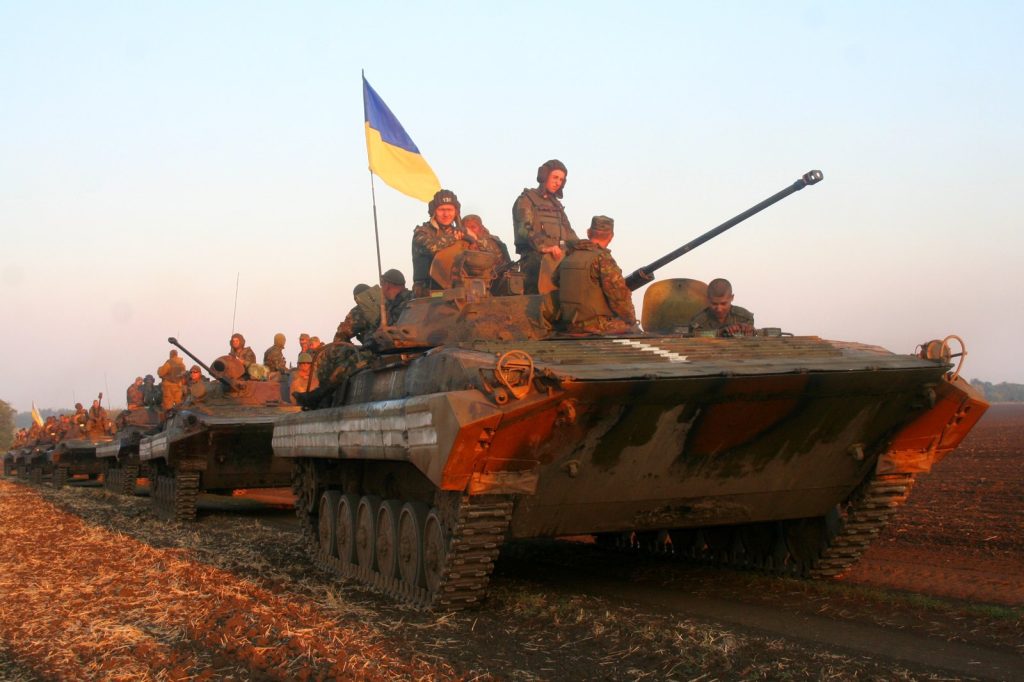
KYIV, July 11 — As the Russo-Ukrainian war grinds toward its third full calendar year, the range of plausible outcomes for 2025 has narrowed, but not to a single path. Analysts now sketch five distinct scenarios, each carrying its own economic and geopolitical weight. The first, a frozen conflict with a demilitarised zone along current front lines, echoes the Minsk agreements of 2014–2015.
The mechanics here are familiar: a line of contact, international monitoring, and a political standstill that freezes the territorial status quo. The catch is that Minsk failed to deliver lasting peace, and the current front is far longer and more fortified.
A second scenario — a negotiated settlement involving territorial concessions by Ukraine — remains theoretically on the table, but President Volodymyr Zelenskyy has publicly ruled it out. That stance, combined with domestic Ukrainian resistance to any land-for-peace deal, makes this path politically toxic in Kyiv. The third possibility is continued attrition warfare, with both sides unable to achieve decisive breakthroughs.
This is the default trajectory: grinding artillery duels, incremental gains measured in metres, and a steady drain on manpower and matériel. Western military aid to Ukraine slowed in 2024, and the mechanics of sustaining a long war of attrition favour the side with deeper industrial capacity.
Then there is the prospect of a Russian offensive to capture more territory, possibly targeting Kharkiv or Odesa. Such a move would represent a significant escalation, but Russia has shown willingness to absorb high casualties for territorial gains. The counter-scenario is a Ukrainian counteroffensive, though the slowdown in Western aid in 2024 raises questions about whether Kyiv can amass the necessary firepower.
Diplomatic efforts, including the proposed Saudi Arabia summit, may gain traction if internal Russian dissent grows, as Zelenskyy has suggested. That is a big “if.” The Kremlin has shown little tolerance for organised opposition, and the war has provided a rallying-around-the-flag effect that tends to suppress visible dissent. Follow the money.
The US presidential election in November 2024 could shift policy, with potential changes in aid levels. A new administration in Washington might recalibrate the volume and type of support to Ukraine, directly affecting Kyiv’s ability to sustain offensive operations or even hold defensive lines.
For business desks tracking this conflict, the implications are concrete. A frozen conflict means continued disruption to Black Sea shipping routes and grain exports. A negotiated settlement could unlock reconstruction contracts — but only if investors believe the truce will hold.
Attrition warfare keeps energy prices volatile and supply chains uncertain. A Russian push toward Odesa would threaten Ukraine’s main port, while a Ukrainian counteroffensive would require a sustained Western financial commitment.
The Saudi Arabia summit proposal, if it materialises, offers a potential diplomatic off-ramp, but its success depends on factors beyond the negotiating table: Russian internal politics, the US election outcome, and the battlefield calculus on both sides. On closer reading, each scenario depends on variables that are themselves in flux. What to watch next.
The November 2024 US election is the single largest external variable. A shift in American policy could accelerate or stall any of these five paths. The proposed Saudi summit, meanwhile, will test whether diplomacy can gain traction while the guns are still firing.
For now, the war remains a contest of attrition, with no clear endgame in sight.




