
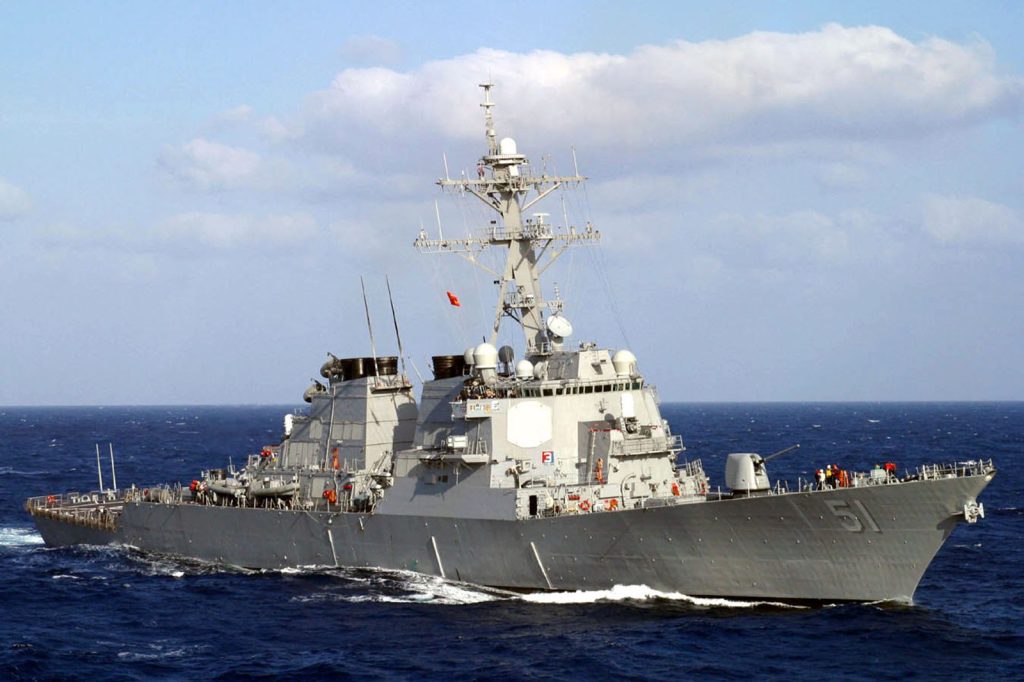
WASHINGTON, July 11 — Iran has privately admitted a mistake in an incident that has brought the U.S. and Tehran to a potential diplomatic crossroads. The admission, while not public, opens a channel for de-escalation in the Persian Gulf, where the U.S. Fifth Fleet, based in Bahrain, maintains a patrol presence. The U.S. response now hinges on whether that private admission is judged credible.
A credible mistake opens the door for quiet diplomacy; a perceived lie closes it and invites a harder line.
Diplomatic Off-ramps and the Oman Channel
The United States may respond through diplomatic channels, with Oman and the United Nations emerging as the most likely intermediaries. Oman has historically served as a backchannel between Washington and Tehran. The United Nations offers a more public forum.
Iran could offer public reassurances or compensation for damages. That would be a direct signal that Tehran accepts responsibility and wants to move past the incident without escalation.
For the U.S., a credible admission plus compensation would be an off-ramp. The incident may also lead to renewed talks on maritime security. In 2023, the U.S. launched Operation Sentinel, a multinational effort to patrol Gulf waters and protect commercial shipping.
That framework already exists.
The Harder Path: Sanctions and Military Exercises
If the U.S. views the attack as intentional, the response would shift. Further sanctions remain an economic tool. The U.S. has a sanctions architecture targeting Iranian oil exports, banking, and the Islamic Revolutionary Guard Corps.
Military exercises are another option. The U.S. Fifth Fleet already patrols the region, and in 2023 the Pentagon announced plans to deploy additional warships and aircraft to the Gulf.
That deployment could be accelerated or expanded as a show of force. The outcome depends on whether Iran’s admission is seen as credible. If the U.S. assesses that the incident was genuinely a mistake, then the diplomatic track has room to operate.
If the assessment is that Tehran is lying, the window closes.
What to Watch Next
Watch for any public statement from Iran that mirrors the private admission — that would be a signal that the diplomatic track is alive. Watch also for any movement through Oman or the UN. The absence of either will indicate that the U.S. is leaning toward the harder response.
Iran has made the first move — a private admission of fault. The question is whether it follows up with public reassurances, compensation, or a return to the maritime security framework.




