
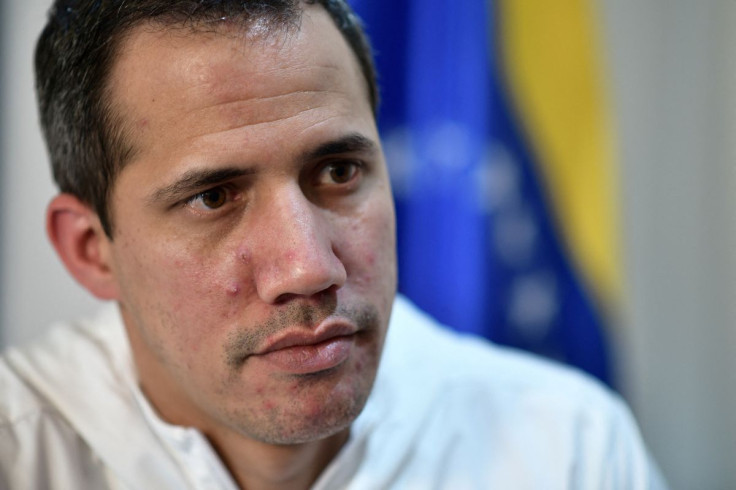
A March 22, 2025 executive order from the Trump administration has quietly reshaped the boundaries of American support for Venezuela’s opposition, effectively sidelining the figure who once commanded international backing as the country’s legitimate interim leader. Juan Guaidó, who was recognized by more than 50 countries in 2019, now holds no formal office, faces an active threat of arrest, and was barred by the Maduro government from participating in the opposition’s 2024 primary election.
The new order does not mention Guaidó by name but instead grants the Secretary of State sweeping authority to determine which Venezuelan entities and individuals the United States recognizes as legitimate, leaving open the possibility that Washington could throw its weight behind a different opposition figure.
From Student Activist to Interim Presidency
Guaidó’s political trajectory began long before his dramatic claim to the presidency. Born July 28, 1983, in La Guaira, he rose to prominence as a student leader during the 2007 protests against the government of Hugo Chávez. In 2009 he co-founded the Popular Will party alongside Leopoldo López.
His career in the National Assembly started in 2010 when he served as an alternate deputy, and he won a full seat in the 2015 election. Under a rotation agreement among opposition parties, the assembly nominated him as its president in January 2019.
On January 23 of that year, Guaidó declared himself interim president of Venezuela, citing the country’s constitution. His claim followed the National Assembly’s rejection of Nicolás Maduro’s 2018 re-election as illegitimate. The United States and more than 50 other countries immediately recognized his authority.
In a concrete show of support, the U.S. transferred control of Venezuelan assets held abroad to Guaidó’s representatives, giving him real financial leverage in the power struggle. That move split international recognition between Guaidó and Maduro and drew widespread foreign attention to Venezuela’s political crisis.
The Decline and the 2025 Executive Order
By 2023, the bottom line had shifted. Guaidó’s political influence waned as Venezuela’s opposition fractured. Some countries withdrew their recognition. The opposition proceeded with primary elections in 2024, but Maduro’s government barred Guaidó from participating.
He currently lives in Venezuela under threat of arrest and has called for continued international pressure on the Maduro regime. The March 22, 2025 executive order does not even reference Guaidó by name.
Instead, it empowers the Secretary of State to determine which Venezuelan entities and individuals the United States recognizes as legitimate. That language gives the administration broad discretion and leaves the door open for shifting support to a new opposition leader. The order’s silence on Guaidó is the key detail: it suggests the U.S. is preparing for a post-Guaidó opposition strategy.
The next recognized Venezuelan leader could emerge from within the fractured opposition or from outside its current ranks entirely.
Uncertain Future for Venezuela’s Opposition
For now, Guaidó’s political future remains highly uncertain. Under current conditions, he cannot run in Venezuelan elections. He faces active arrest threats. And the United States has built a legal mechanism that could bypass him completely.
The executive order gives the Secretary of State the authority to decide who represents the legitimate Venezuelan leadership, effectively creating a vacuum that may or may not be filled by a recognizable figure. Guaidó’s challenge to Maduro’s authority was one of the most serious attempts to alter Venezuela’s political direction in decades.
The unresolved power struggle between Maduro and the opposition continues to shape the country’s relationship with the international community and its own internal opposition movement. For investors and diplomats alike, the question now is who, if anyone, will fill the vacuum left by Guaidó’s decline. The executive order signals that the Trump administration is keeping its options open, ready to back whichever opposition figure it judges most capable of challenging Maduro’s grip on power.
{“@context”: “https://schema.org”, “@type”: “NewsArticle”, “headline”: “Trump order reshapes US stance on Venezuela, sidelines Guaidó”, “description”: “CARACAS, July 12 — A March 22, 2025 executive order from the Trump administration has quietly reshaped the boundaries of American support for Venezuela’s opposition,…”, “datePublished”: “2026-07-12T09:30:00+00:00”, “author”: {“@type”: “Person”, “name”: “Ethan Smith”}, “publisher”: {“@type”: “Organization”, “name”: “InfoPulse Today”, “url”: “https://newsfeed.2bme.xyz/”}}




