
The New Decision-Making Process
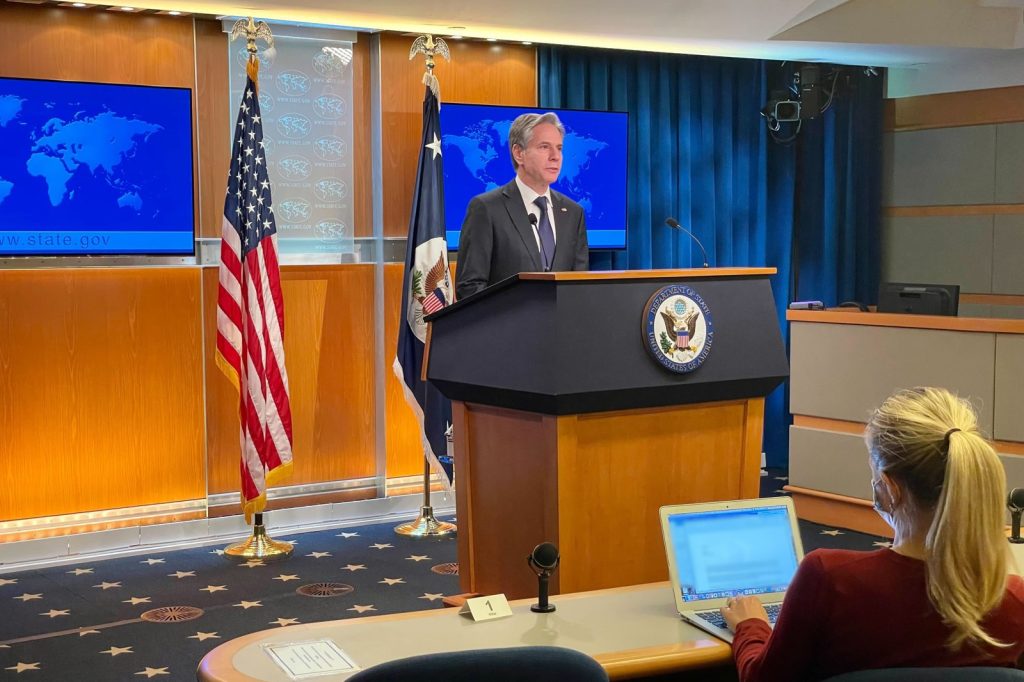
The Secretary of State can now recognize an opposition government in Venezuela without requiring approval from the White House. The order also affects aid disbursement through the U.S. Agency for International Development and law enforcement cooperation via the Drug Enforcement Administration. The change is expected to be formalized through a National Security Presidential Memorandum, a directive issued by the president that sets policy for national security matters. Supporters of the reorganization argue it enables the United States to respond rapidly to political shifts in Venezuela. Critics, however, contend that concentrating such authority in a single Cabinet official reduces the system of checks and balances that previously governed sanctions policy.
Under the former process, sanctions required interagency approval, with the Office of Foreign Assets Control serving as the Treasury Department’s primary implementer. OFAC is a financial intelligence and enforcement agency that administers and enforces economic and trade sanctions in support of national security and foreign policy objectives, acting under presidential national emergency powers. The agency targets foreign governments, organizations, and individuals deemed a threat to U.S. security. For decades, sanctions decisions flowed through multiple departments, giving OFAC a central role in developing individual cases through its Office of Global Targeting.
Historical Context and the Role of OFAC
The Treasury Department’s involvement in economic sanctions dates to the early years of the republic. During the War of 1812, Secretary Albert Gallatin administered sanctions against the United Kingdom in retaliation for the impressment of American sailors. The direct predecessor of OFAC, the Division of Foreign Assets Control, was established in 1950. Earlier, during World War II, the Foreign Funds Control unit administered wartime import controls over enemy assets and restricted trade with enemy states under the Trading with the Enemy Act of 1917. That unit was abolished in 1947, and its functions were transferred to the Office of International Finance before the division was created. Since 2004, OFAC has operated under the Treasury Department’s Office of Terrorism and Financial Intelligence, staffed primarily by intelligence targeters and lawyers. The agency has the power to levy significant penalties against entities that defy its directives, including fines, asset freezes, and bans on operating in the United States.
The decision to give a single Cabinet official sole decision-making power over sanctions for one country represents a break from the interagency model that governed such measures for decades. Under the previous structure, sanctions required approval across multiple departments, with OFAC serving as the Treasury’s lead implementer. Bypassing that structure concentrates authority in the State Department.
Arguments For and Against the Change
Supporters say the new arrangement enables faster responses to political changes in Venezuela, allowing the United States to adjust sanctions or recognition quickly as events unfold. Critics argue that this concentration of power reduces the checks and balances inherent in the interagency process. The bottom line is that Venezuela sanctions are now under sole State Department control. The Secretary of State holds the keys to imposing, lifting, or modifying sanctions on Venezuelan entities and individuals, as well as deciding diplomatic recognition. The change also affects aid distribution through USAID and law enforcement cooperation through the DEA. As the order is formalized through a National Security Presidential Memorandum, the shift in authority will reshape how the United States manages its policy toward the South American nation, consolidating decision-making in one department and moving away from the decades-old interagency framework.




