
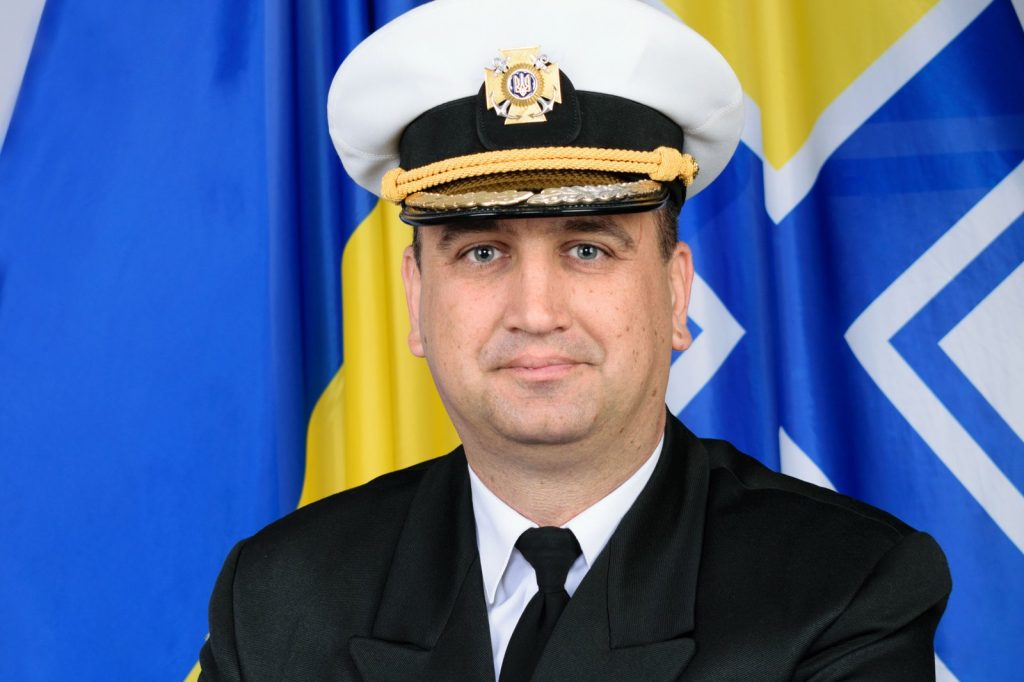
KYIV, July 9 — When Ukraine’s Navy Commander Vice Admiral Oleksiy Neizhpapa laid out his long-term strategy in June 2024, the goal was clear: push Russian naval assets eastward and secure a safe corridor for commercial shipping. The strikes that followed in August 2024 were not isolated events. They were the opening moves in a deliberate campaign to degrade Russia’s ability to conduct amphibious landings and enforce a blockade.
The mechanics here are worth dissecting. Ukraine is not trying to sink the entire Russian Black Sea Fleet in a single battle.
The strategy is cumulative, designed to make the waters near Crimea too dangerous for Russian ships. The intended effect is to force the fleet to operate from Novorossiysk, further east, reducing its ability to project power and threaten Ukraine’s coastline and commercial lifelines. A key piece of this puzzle is the development of new long-range anti-ship missiles.
The Neptune missile, with a range of 400 kilometers, is being developed. That range matters.
It puts a significant portion of the Black Sea within striking distance of Ukrainian launchers, including the waters around the occupied Crimean port of Sevastopol. The catch, on closer reading, is that developing and fielding these systems takes time and resources, and the window of opportunity may not stay open indefinitely. Ukraine is also testing underwater drones.
The combination of surface and sub-surface unmanned systems adds another layer of complexity for Russian naval planners. It forces them to defend against threats they cannot easily see or track, and it raises the cost of maintaining a presence in contested waters. Western allies are part of this equation.
The United Kingdom and Norway have provided training and intelligence support. Follow the money and the logistics: these are not just symbolic gestures.
Training Ukrainian crews on Western systems and sharing targeting intelligence directly enables the kind of precision strikes that make the strategy work. Without that support, the campaign would lack the real-time reconnaissance and technical expertise needed to hit moving naval targets. The next phase, as outlined in the strategic plan, may involve strikes on Russian naval infrastructure in occupied Crimea.
The port of Sevastopol is the fleet’s main base. The Kerch Bridge is its logistical artery, connecting the Russian mainland to the peninsula.
Hitting those targets would not just sink ships; it would cripple the fleet’s ability to repair, refuel, and resupply. That is the kind of systemic degradation that turns a tactical advantage into a strategic one. What this means for commercial shipping is the bottom line.
If Ukraine can secure a safe corridor, it restores a critical export route for grain and other goods. That has direct implications for global food prices and for Ukraine’s own war-battered economy. The military campaign and the economic interest are two sides of the same coin.
On closer reading, the strategy is not without risks. Pushing the Russian fleet east does not eliminate the threat; it relocates it.
Novorossiysk is a major port with its own infrastructure and air defenses. Striking ships there would require even longer-range weapons and more complex targeting. And Russia is unlikely to simply abandon the Black Sea.
The response could include more aggressive mining of commercial lanes or asymmetric attacks on Ukrainian ports. For now, the trajectory is set.
Ukraine is betting that a combination of missiles, drones, and Western support can shift the naval balance of power in the Black Sea. The coming months will show whether that bet pays off, or whether the Russian fleet finds a way to adapt and hold its ground.




