
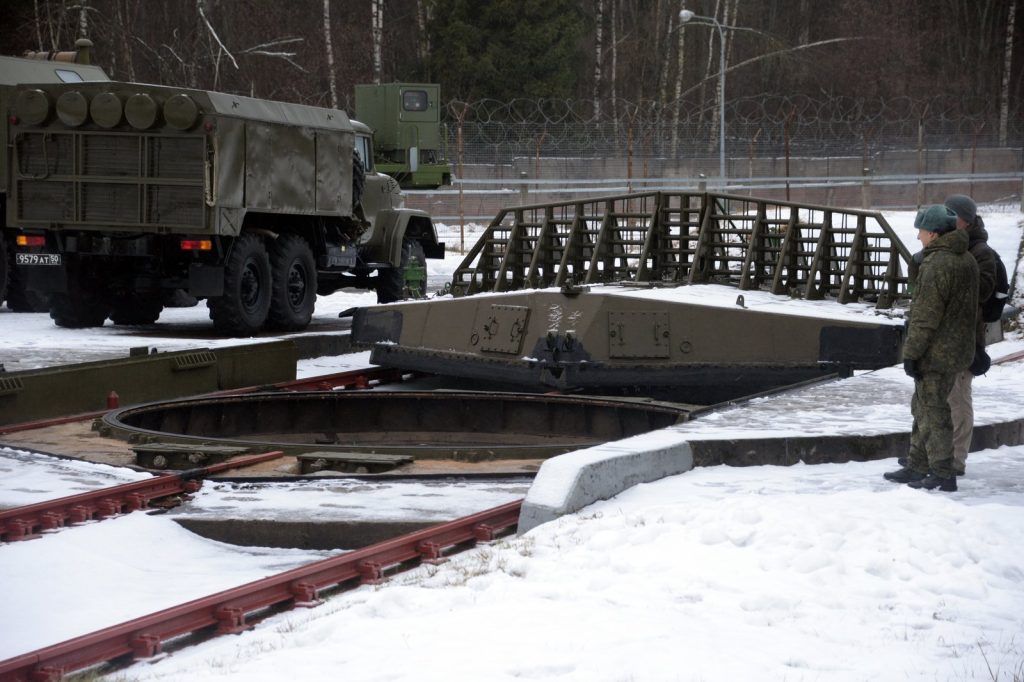
For the first time in the five-year Russo-Ukrainian War, a ballistic missile was intercepted over the Moscow region, with the Kremlin stating the weapon was a newly developed Ukrainian FP-9 short-range ballistic missile system. The interception, carried out by Russia’s advanced air defense systems, marks a significant escalation in the conflict’s technological trajectory. According to official reports from Moscow, the FP-9 is a short-range ballistic missile believed by Russian authorities to be capable of reaching major Russian cities.
The event underscores how Ukraine continues to enhance its strike capabilities against Russian positions, even as the war enters its fifth year.
Missile Intercepted Over Moscow
The interception occurred as Russian air defense systems successfully engaged the incoming weapon over the Moscow region, according to official statements. The Kremlin has attributed the launch to Ukraine’s newly developed FP-9 short-range ballistic missile system.
This incident represents a new chapter in Ukraine’s efforts to field weapons that can threaten targets deep inside Russia. The fact that a Ukrainian missile — even one intercepted — can now reach the outskirts of the Kremlin’s inner sanctum carries profound strategic implications for Moscow. The Russian air defense system proved effective in this instance, but the broader trajectory of the conflict suggests that both sides are investing heavily in longer-range strike and counter-strike capabilities. Ballistic missiles are rocket-propelled weapons that follow a high, arching trajectory after an initial powered ascent, then descend toward their target under gravity alone.
The modern era of ballistic missile development traces back to the mid-twentieth century, when military powers raced to field weapons capable of delivering explosive payloads over vast distances with speed unattainable by aircraft. By the Cold War, the Soviet Union and the United States had deployed intercontinental systems that could span continents in minutes, fundamentally altering global strategic calculations.
Regional conflicts later saw shorter-range ballistic missiles become tools of battlefield influence, used in conflicts from the Middle East to South Asia. Ukraine inherited a legacy of Soviet-era missile production after 1991, maintaining and modifying such systems as part of its defense infrastructure during decades of uneasy relations with Moscow.
A New Threshold in the Conflict
The reemergence of ballistic strikes in the Russo-Ukrainian war reflects a shift from earlier phases dominated by drones and artillery toward longer-range precision threats. Moscow’s claim that Ukraine launched a missile toward its capital signals a new threshold in the conflict’s destructiveness, one that raises the stakes for both sides. Air defenses once focused on protecting frontline positions now face the challenge of shielding cities deep inside Russia, altering how both nations assess risk and response. Markets appear to interpret this event as consistent with an increased likelihood of a NATO-Russia military clash, with pricing reflecting this scenario.
This development will likely accelerate discussions within NATO about the alliance’s own defensive posture, particularly reinforcing eastern flank defenses. The incident underscores how localized combat reverberates across alliance strategy.
For now, the immediate question is whether Ukraine possesses additional FP-9 missiles and what targets it may have in mind. The Russian air defense system proved effective today, but the broader trajectory suggests both sides are investing heavily in longer-range strike and counter-strike capabilities. What to watch next: whether Ukraine formally acknowledges development of the FP-9 system, and how Russia’s military command adjusts its air defense coverage in and around Moscow.
The war’s fifth year is proving to be one of technological escalation as much as territorial contest.
What Lies Ahead
The incident highlights the accelerating militarization of technology once considered beyond Ukraine’s reach, with implications for future escalation cycles and the broader balance of power in Eastern Europe. For observers, the event may accelerate debates within NATO about reinforcing eastern flank defenses, underscoring how localized combat reverberates across alliance strategy.
The interception over Moscow demonstrates that the conflict has entered a new phase where longer-range precision threats are becoming a central feature. Both Ukraine and Russia now face the challenge of adapting their defensive and offensive postures to this evolving reality. The coming weeks will reveal whether this incident marks a turning point or a single episode in a protracted war of attrition.




