
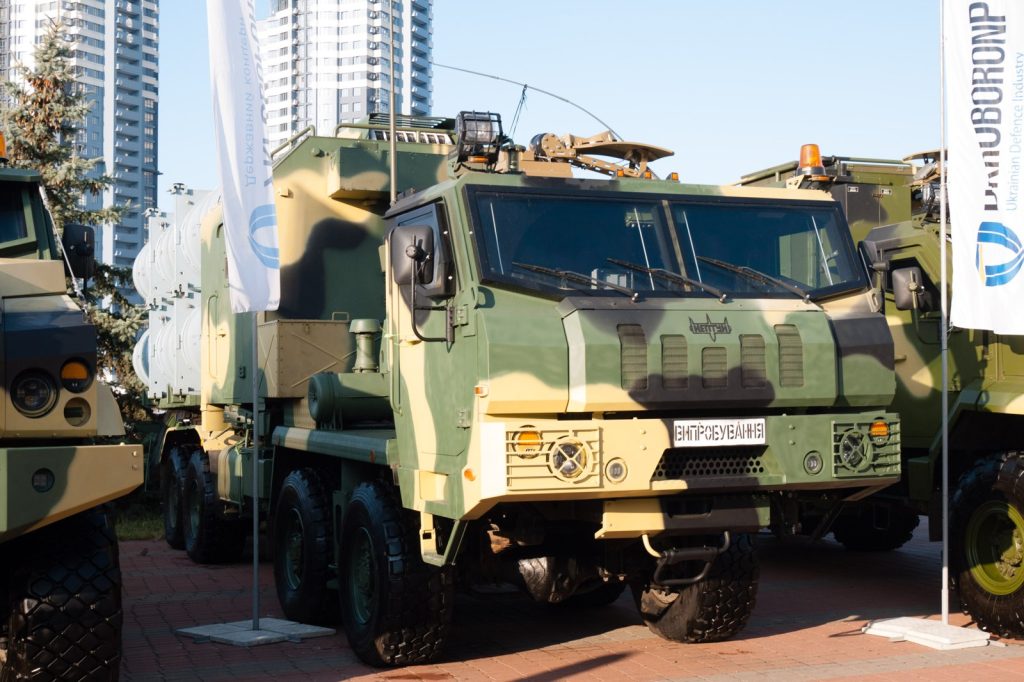
KYIV, July 11 — Ukraine’s domestically produced R-360 Neptune anti-ship cruise missile, which first entered service in 2021, has become a central element in the country’s maritime defence strategy. Developed by the Luch Design Bureau, the subsonic missile carries a 150-kilogram warhead and has a range of up to 300 kilometres, according to available records. The Neptune gained international attention in April 2022, when Ukrainian forces used it to sink the Russian cruiser Moskva, the flagship of the Black Sea Fleet.
That single engagement established the missile’s reputation as a credible threat to Russian naval assets operating in the Black Sea. Designed to target surface ships, the Neptune is launched from ground-based mobile launchers.
Its guidance system relies on inertial navigation for the mid-course phase, switching to active radar homing for terminal phase targeting. This dual-system approach allows the missile to adjust its flight path and lock onto moving targets at the final stage of approach. Ukraine has produced an estimated 200 Neptune missiles since 2022, according to available figures.
Production levels have increased due to Western funding and technical assistance, officials confirmed. The ramp-up reflects a broader effort by Kyiv to build a credible indigenous cruise missile capability without relying entirely on foreign-supplied systems.
In the 18 January 2025 attack, Ukraine used multiple Neptune missiles alongside drones to strike Russian tankers. The coordinated operation demonstrated the missile’s integration into a wider strike package, combining sea-skimming cruise missiles with unmanned aerial systems to overwhelm defences.
Strategic Implications
The Neptune programme represents a significant shift in Ukraine’s military-industrial posture. Before 2022, the missile existed largely as a prototype system with limited production. The war accelerated both development and manufacturing, turning a niche design into a operational weapon with demonstrated combat effectiveness.
Western technical assistance has focused on guidance system refinement and production line efficiency, according to defence analysts. Funding from allied nations has allowed the Luch Design Bureau to scale up component sourcing and assembly capacity beyond what Ukraine’s domestic defence budget could sustain alone.
The missile’s 300-kilometre range places most of the Black Sea within striking distance from coastal launch sites. This has forced the Russian Black Sea Fleet to operate at greater distances from the Ukrainian coastline, reducing its ability to support amphibious operations or provide naval gunfire support.
Operational Record
The sinking of the Moskva remains the Neptune’s most notable achievement. The cruiser, armed with long-range surface-to-air missiles and anti-ship systems, was considered a formidable platform. Its loss dealt a significant blow to Russian naval prestige and operational planning in the Black Sea theatre.
The January 2025 tanker strikes expanded the Neptune’s target set beyond warships to include commercial and logistical vessels. This broader application suggests Ukrainian commanders view the missile as a tool for sea denial across a wider range of maritime targets, not solely military vessels.
Production estimates of roughly 200 units since 2022 indicate a steady but not overwhelming manufacturing rate. The missile remains a relatively scarce asset compared to the thousands of artillery rounds and drones Ukraine fields monthly. This scarcity likely influences targeting priorities, with commanders conserving Neptunes for high-value maritime targets.
What to Watch
The trajectory of Neptune production will depend on continued Western funding and the availability of specialised components. Any disruption in supply chains or financial support could slow or halt the manufacturing expansion that has occurred since 2022. Ukrainian officials have not publicly disclosed current stockpile numbers or future production targets.
The missile’s role in ongoing operations, particularly against Russian naval logistics and Black Sea Fleet assets, will remain a key indicator of Ukraine’s ability to contest the maritime domain without a traditional navy.




