
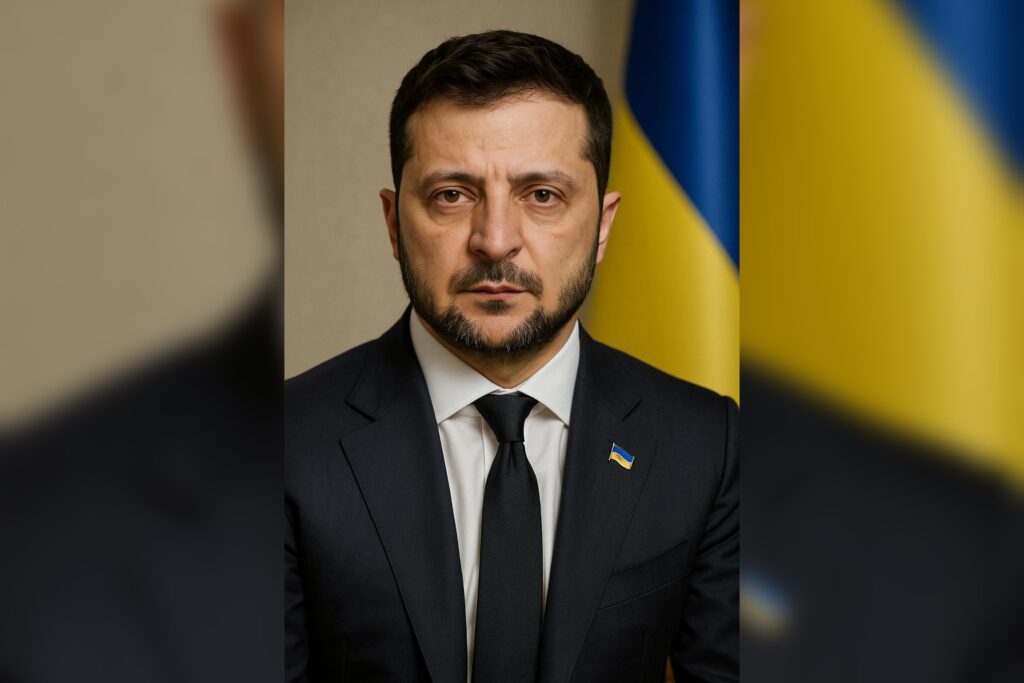
Ukraine has formally proposed convening a peace summit in Switzerland, tentatively scheduled for mid-2025, according to diplomatic sources. The initiative rests on the 10-point ‘Peace Formula’ that President Volodymyr Zelenskyy first laid out in November 2022. That formula addresses three core areas: nuclear safety, food security, and territorial integrity.
Switzerland, which maintains a longstanding policy of neutrality, has already hosted earlier rounds of diplomatic talks, including a January 2024 meeting of national security advisors. The current proposal, however, carries a conspicuous condition: Russia has not been invited to the initial summit.
Ukrainian officials have outlined a two-stage strategy: first, present a unified front among Kyiv’s supporters; second, engage Russia at a later stage. The mechanics are delicate. A summit convened without the belligerent party functions as a diplomatic statement rather than a negotiation. The success of the eventual process will depend on whether that statement can be translated into a framework that Moscow is willing to enter.
The Mediation Landscape and Its Historical Roots
International mediators are third parties — individual diplomats, individual countries, or multilateral organizations — who help conflicting sides communicate, negotiate, and reach agreements. Their role is to facilitate dialogue, not to impose solutions. The practice dates back centuries, but modern mediation gained structure after World War II, when the United Nations Charter encouraged the peaceful settlement of disputes.
Over the decades, mediators have been involved in many high-stakes conflicts. During the Cold War, superpowers acted as go-betweens in regional wars.
The end of apartheid in South Africa involved international facilitators. More recently, mediators have worked on peace processes in the Balkans, the Middle East, and parts of Africa. Success often depends on the mediator’s perceived impartiality and the leverage it can apply.
A mediator without the trust of both sides rarely makes progress. In the current war in Ukraine, multiple mediators have already stepped forward, each bringing its own relationships and interests.
Turkey brokered the Black Sea Grain Initiative, which ran from July 2022 to July 2023, enabling vital grain exports from Ukrainian ports. Saudi Arabia hosted talks in Jeddah in August 2023. China proposed a 12-point peace plan in February 2023 but has not actively mediated — a notable absence given Beijing’s stated interest in a political solution.
Switzerland has a long tradition of offering good offices, stemming from its neutral status, and has already hosted the January 2024 security advisors meeting. The presence of so many mediators reflects a fractured diplomatic landscape, where no single actor commands the trust of both sides.
Western Strategy and the Ceasefire Challenge
The United States approved a $60 billion military aid package in April 2024, and the European Union continues its own military support for Ukraine. On closer reading, the Western strategy remains one of arming Ukraine to strengthen its negotiating position, not to force a quick ceasefire.
This approach shapes the battlefield and complicates any claim to neutrality by the United States and the European Union. A ceasefire remains unlikely without a major shift in battlefield dynamics or internal Russian pressure. That is the blunt assessment underlying the entire diplomatic calendar.
Wars do not end by fighting alone. At some point, a political settlement becomes necessary.
Mediators are the mechanism through which that settlement is built. The summit in Switzerland, if it happens, will test whether Ukraine can hold together a coalition of supporters while keeping the door ajar for eventual Russian participation. Without effective mediation, the conflict risks dragging on, with consequences that reach far beyond the battlefield: global food prices, energy markets, and alliance structures all hang in the balance.
The work of these go-betweens affects those outcomes directly. What to watch next is whether Switzerland formally accepts the mid-2025 date and whether any of the absent mediators — particularly China — decide to engage more directly before then.
The diplomatic calendar is set, but the real work of building a path to peace has only just begun.




