
The trouble in the Strait of Hormuz did not begin last week. It began with a piece of paper signed just weeks ago — a Memorandum of Understanding between the United States and Iran. That document was supposed to be a ceasefire.
It was supposed to be the foundation for something like peace. Families across the Middle East and here in Asia allowed themselves a brief hope.
That hope is now gone. The deal collapsed into open military exchanges. The pattern is now clear.
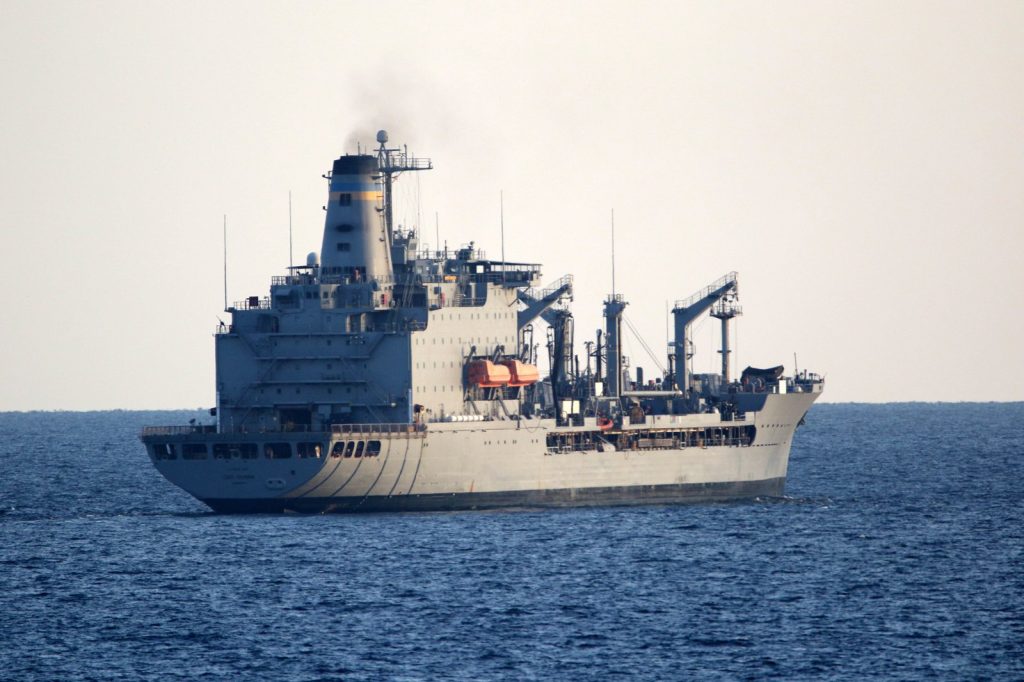
At the end of last week, Iranian forces attacked a commercial vessel moving through the strait on a route Iran did not authorise. The United States responded by bombing several Iranian military targets.
Then on Saturday, the same thing happened. Iran attacked another commercial vessel trying to slip through along an unauthorised route. The U.S. answered with an even larger wave of strikes.
U.S. Central Command confirmed its forces had carried out the new strikes after a Panama-flagged tanker was hit by an Iranian drone on Saturday. Central Command put out a statement. It said Iran was given a chance to honour the ceasefire agreement but elected not to.
The U.S. strikes were described as a direct response to continued Iranian aggression against commercial shipping. The targets were Iranian military surveillance, communications, air defence, drone storage and other facilities.
That is the official version of events. For communities across the Philippines and the wider region, this is not a distant conflict. The Strait of Hormuz is a vital artery for the energy that powers our economies.
What happens there reaches our shores directly. Filipino families already feel the pinch of higher prices.
Further instability in this corridor means more economic pressure. The many overseas Filipino workers in the region face a different kind of danger — one that is immediate and physical. The backstory here is not complicated but it is grim.
The Memorandum of Understanding was signed in a moment of celebration. The world applauded. Then the old patterns reasserted themselves.
Iran saw the strait as its chokepoint to control. The United States saw it as a waterway that must remain open.
Neither side trusted the other. The ceasefire was always fragile, built on paper and hope, not on changed behaviour. Now the cycle is accelerating.
One attack. One response.
A second attack. A larger response. The logic of escalation is simple and brutal.
Each side believes it must show strength or lose credibility. Each side believes the other started it. The result is a corridor of water that grows more dangerous by the day.
For ordinary people, the meaning is sobering. Every escalation in the Strait of Hormuz threatens the shipping lanes that carry oil and goods to Asian markets.
Prices rise. Economies strain. Families adjust.
The war is not here yet. But its effects arrive before the first bomb falls on our soil.




