
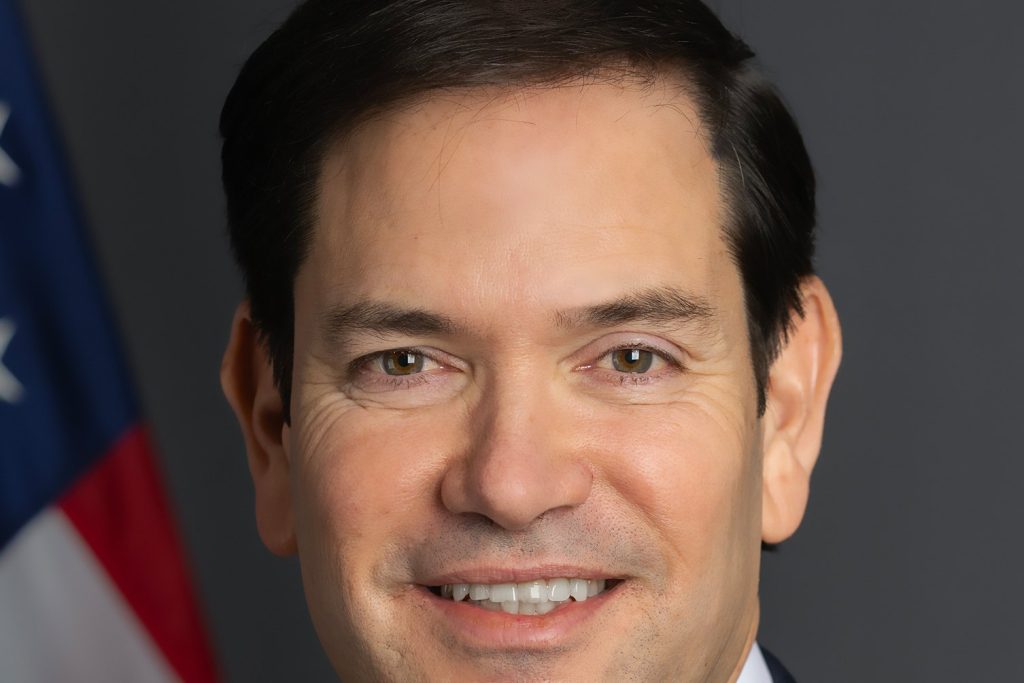
In an executive action without modern precedent, the Trump administration has vested Secretary of State Marco Rubio with the sole authority to impose and enforce sanctions on Venezuela, granting him powers no previous secretary of state has held over a single country. The directive, signed on March 22, 2025, authorizes Rubio to designate any individual or entity operating in Venezuela’s oil, gold, or mining sectors, as well as those providing financial or material support to the government of Nicolás Maduro.
Under the order, Rubio can revoke or suspend licenses for U.S. companies operating in Venezuela and target foreign entities doing business with the Maduro government or state-owned oil company PDVSA. The move builds on sanctions first imposed under Executive Order 13692 in 2017, which targeted Venezuelan officials for human rights abuses and corruption.
Unprecedented Authority and Sectoral Reach
For the first time, a U.S. secretary of state can impose and enforce sanctions on a single country without needing additional presidential sign-off for each designation. The order covers not just Venezuelan state entities but any foreign individual or company that does business with them.
This represents a significant shift from earlier U.S. sanctions policy. In the 1980s, the U.S. imposed broad economic restrictions on Nicaragua, Cuba, and Panama, aiming to pressure governments aligned with Soviet interests or accused of human rights violations. Those measures often extended beyond governments to include foreign businesses and individuals, setting a precedent for extraterritorial enforcement.
By 2017, the U.S. had refined this approach with targeted sanctions under Executive Order 13692, focusing on Venezuelan officials linked to corruption and abuses—an escalation from earlier diplomatic warnings and limited visa restrictions. The new order grants Rubio sweeping discretion to target not only Venezuelan actors but also foreign companies and individuals engaged with the government, a tactic previously reserved for broader counterterrorism or narcotics efforts.
The directive includes provisions to protect U.S. energy security by allowing exceptions for certain oil imports. The administration has framed the move as a necessary escalation against a regime it views as illegitimate, following the contested 2024 Venezuelan presidential election. The United States and many international observers deemed that election fraudulent; Maduro claimed victory amid widespread allegations of vote rigging.
The U.S. continues to recognize opposition leader Juan Guaidó as interim president, though his domestic influence has waned since 2023.
Deepening Economic Crisis and Humanitarian Concerns
The expanded sanctions powers come as Venezuela’s economic collapse continues to deepen. Inflation exceeded 400% in 2024, and the country’s gross domestic product has contracted by more than 80% since 2013. Critics argue the expanded powers could disrupt humanitarian aid and fuel further economic hardship for Venezuelans. The order does include humanitarian exemptions, reflecting an attempt to balance pressure with mitigation. Yet critics warn that broad sectoral restrictions have historically exacerbated civilian suffering in targeted states. The debate now centers on whether such unilateral power can achieve policy goals without deepening instability in a country already grappling with severe economic decline and political repression. The order’s inclusion of humanitarian exemptions suggests an attempt to mitigate unintended consequences, but the scope of the authority raises concerns about oversight




