
A New Concentration of Authority
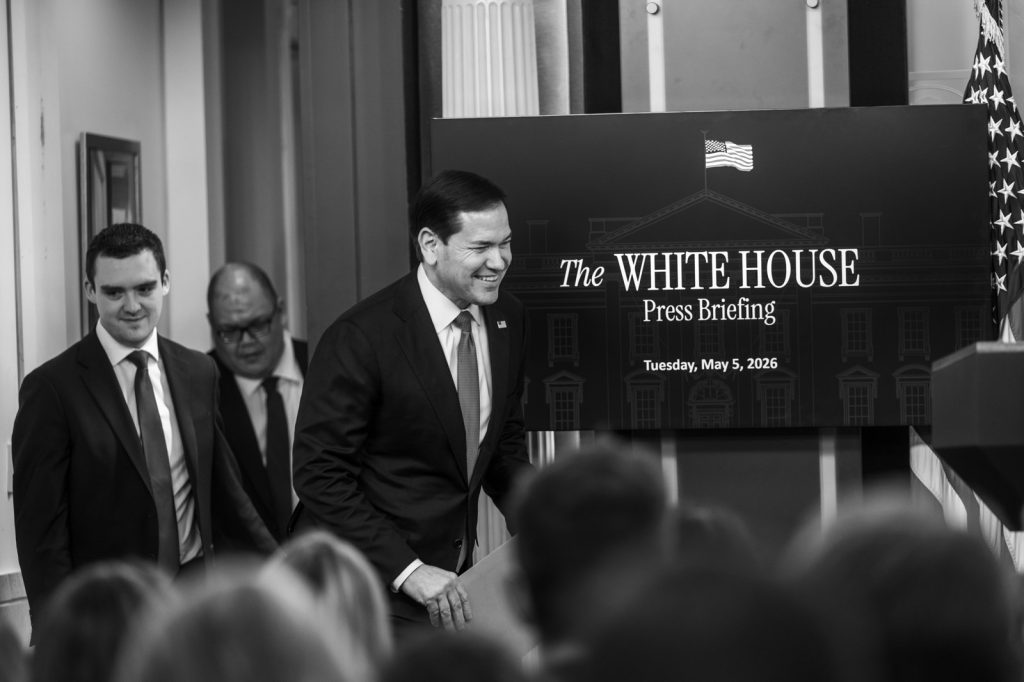
Under the new arrangement, Secretary Rubio can unilaterally adjust sanctions, approve or deny licenses for oil companies like Chevron to operate in Venezuela, and coordinate humanitarian aid. This authority represents a deliberate departure from the usual interagency process, concentrating decisions on sanctions, licensing, and aid distribution within a single office rather than dispersing them across multiple departments. The broader stakes of this recalibration are clear: Washington is no longer betting on a single opposition figure but is instead concentrating decision-making power to respond nimbly to shifts on the ground.
The policy shift comes as Venezuela’s political opposition has fractured. Juan Guaidó, whom the United States recognized as interim president from 2019 to 2023, has seen his political influence wane. Critics of the new arrangement argue that concentrating so much authority in one office risks producing inconsistent policy, while supporters counter that it enables faster responses to changes in Venezuela’s political landscape. The administration’s approach reflects a judgment that the traditional interagency process had become too slow and cumbersome to address the fast-moving crisis in Venezuela.
Venezuela’s Prolonged Collapse
President Nicolás Maduro has held power since 2013, following the death of Hugo Chávez that same year. The United States first imposed sanctions on Venezuela in 2017, with a primary focus on the oil sector, which accounts for about 95 percent of the country’s export revenues. The economic toll has been staggering: Venezuela’s economy contracted by 75 percent between 2014 and 2020, and hyperinflation reached 1,000,000 percent in 2018. The United States has provided over $2.5 billion in humanitarian aid to Venezuela since 2017.
The crisis has kept Venezuela at the center of U.S. diplomacy for years. The use of sanctions and humanitarian aid as tools to influence foreign governments reflects a long-standing pattern in American foreign policy. By consolidating authority over these tools in the State Department, the administration aims to act with greater coherence in shaping policy toward Venezuela. The significance of this shift lies in its potential to reshape how the United States responds to fast-moving crises, allowing for quicker adaptation to changing conditions on the ground.
Historical Context and Institutional Shift
The office of United States Secretary of State traces its origins to the nation’s early years under the Articles of Confederation, when a Department of Foreign Affairs was created in 1781 to conduct relations with other governments. After the Constitution took effect, Congress reorganized the department in 1789 and renamed it the Department of State, installing Thomas Jefferson as its first secretary. Since then, the secretary has served as the president’s principal foreign policy adviser and the nation’s chief diplomat, overseeing the Foreign Service, treaty negotiations, and diplomatic missions abroad. The role carries cabinet rank, placing it immediately behind the vice president in the presidential line of succession and first among department heads.
Against that backdrop, the recent delegation of sweeping authority to the Secretary of State marks a deliberate departure from historical norms. The concentration of sanctions, licensing, and aid distribution decisions within one office reduces the role of interagency consultation that has long characterized U.S. foreign policy. The change underscores how the United States balances institutional tradition with urgent strategic demands. For readers, the new arrangement highlights the ongoing recalibration of American diplomatic power in response to a crisis that has defied resolution for more than a decade.




