
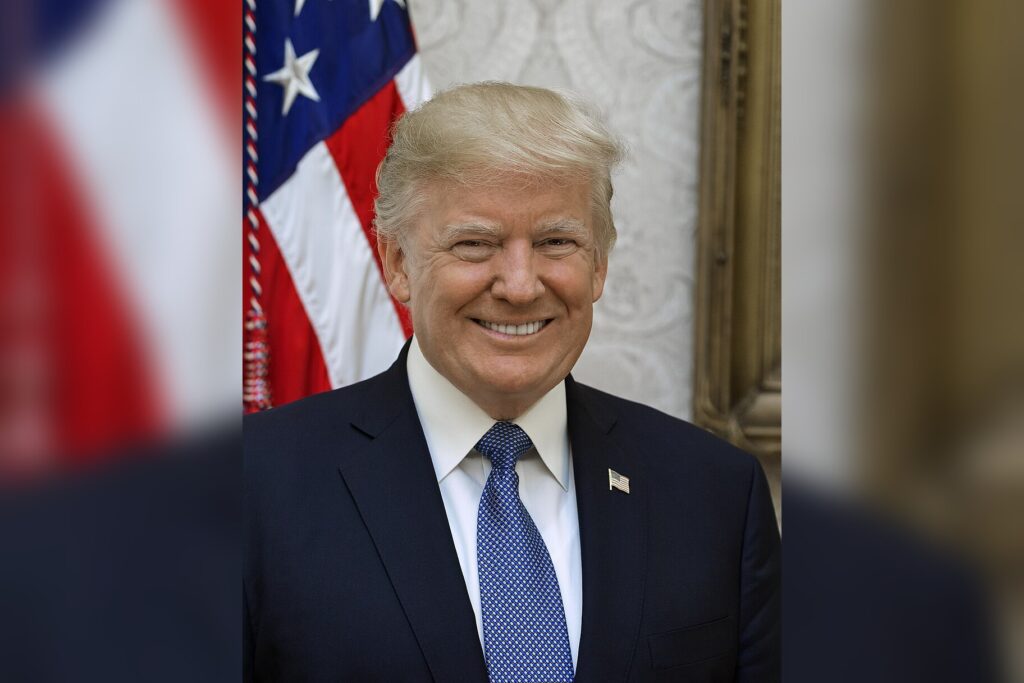
BRUSSELS, July 6 — NATO officials are quietly managing the optics of this week’s summit to avoid provoking the man who may well be their most important political stakeholder: Donald Trump. The former U.S. president, now the presumptive Republican nominee for the 2024 election, has a well-documented history of critical statements about the alliance. During his 2017-2021 term, Trump reportedly considered withdrawing the United States from NATO and repeatedly pressed allies to hit the 2% of GDP defence spending target.
Under the hood, the technical reality for summit planners is that Trump could return to the Oval Office in January 2025. That prospect is shaping decisions about the public visibility of Ukrainian President Volodymyr Zelensky at the gathering.
According to a Telegraph report, NATO officials are seeking to limit Zelensky’s exposure at the summit, aiming to avoid antagonising Trump. The detail that matters is that the alliance is already calibrating its posture for a potential second Trump administration. Trump’s influence on Republican lawmakers has already had measurable consequences.
A $61 billion aid package for Ukraine was passed by the U.S. Congress in April 2024, but only after delays driven by Trump-aligned opposition. The former president has stated he could end the Russia-Ukraine war within 24 hours and has suggested the U.S. should not provide further assistance unless European allies contribute more.
As ever with Trump’s foreign policy pronouncements, the precise mechanism for a 24-hour settlement remains unspecified. But the political impact is real: the delays in U.S. military assistance packages have been felt in Kyiv. The summit’s choreography is therefore a delicate exercise.
NATO wants to demonstrate continued support for Ukraine while not handing Trump a campaign talking point about the alliance being too closely tied to Zelensky. One wry observation from officials here: the alliance that Trump once reportedly considered leaving is now shaping its public face to keep him amenable. Whether that strategy survives the full force of a Trump campaign remains to be seen.
What to watch next is whether European allies follow through on their own defence spending commitments, which would remove one of Trump’s core grievances. The 2% target has been a consistent theme in his criticism, and meeting it could undercut his argument for a fundamental renegotiation of the transatlantic relationship.




