
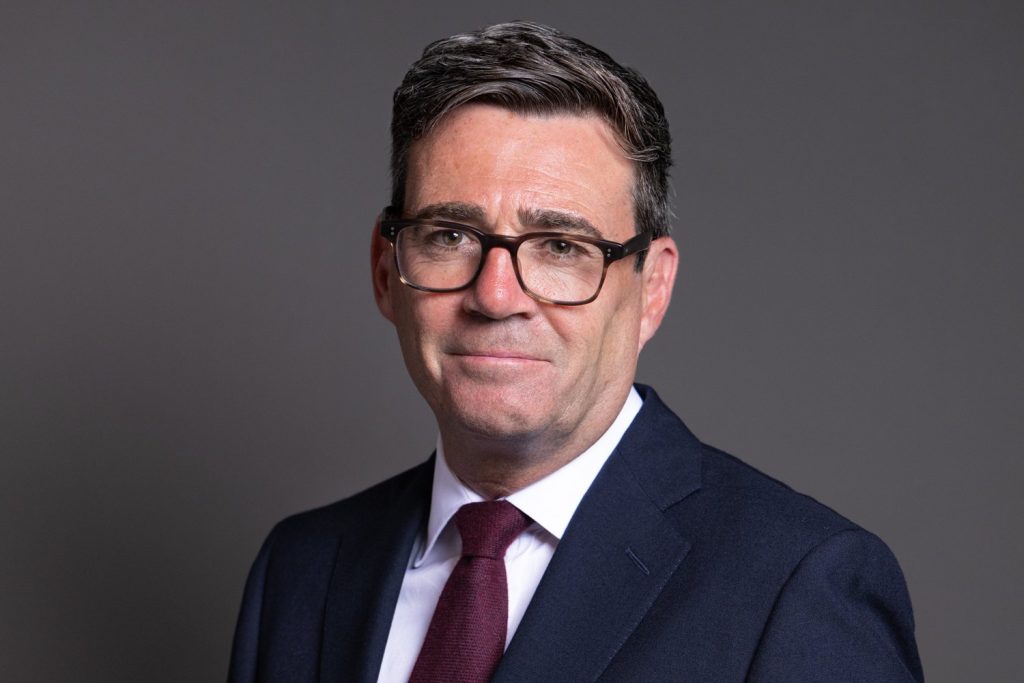
A Smooth but Swift Transition
Starmer’s resignation sent shockwaves through the political establishment, but the emergence of Burnham as the likely successor has been unusually fast. The fact that his principal leadership contender has rowed in behind him signals a degree of internal party unity that will be crucial in the months ahead. Officials have stated that the new prime minister will be in place by the time Parliament resumes, providing a seamless transfer of power. This rapid consolidation reflects a broader shift within Labour as the party balances national leadership with the regional influence Burnham cultivated during his tenure as Mayor of Greater Manchester—a role he assumed in 2017 after leaving Westminster. The absence of a prolonged contest may also reassure international allies watching the change of government.
International Stakes and Domestic Pressures
Burnham takes office at a moment when the United Kingdom is navigating complex geopolitical relationships. The US administration, led by President Donald Trump, will likely be monitoring developments in London closely, given the longstanding special relationship between the two nations. Secretary of State Marco Rubio and other senior US officials are expected to engage with their UK counterparts in the coming weeks on issues ranging from trade and security to diplomacy. The new prime minister will need to balance British interests with those of its international partners while managing a range of domestic challenges, including economic uncertainty and security concerns. These pressures demand that Burnham hit the ground running, making key decisions quickly and effectively. His strong track record in politics, which includes multiple cabinet roles under Tony Blair and Gordon Brown, will be tested in this new leadership role. The record shows that Burnham has proven capabilities, but the challenge of governing at the national level is a significant step beyond his prior experience.
From Manchester to the National Stage
Andy Burnham first entered Parliament in 2001 as the MP for Leigh and rose through the ranks under Blair and Brown, serving as Culture Secretary and then Health Secretary. After Labour’s defeat in 2010, he remained a key voice in opposition, holding shadow cabinet positions and twice running for party leader. In 2017, he shifted from Westminster to local governance, becoming the first Mayor of Greater Manchester—a post in which he gained national recognition for his handling of transport policy and for advocating for Northern England during the COVID-19 pandemic. His leadership style, often labeled “Manchesterism,” blends socialist principles with a focus on regional empowerment. Burnham is now positioned to lead both the Labour Party and the country, an ascent that reflects a broader shift in Labour’s direction as it seeks to combine national leadership with the grassroots impact he cultivated in Manchester. His experience in both local and central government will shape how he addresses the challenges ahead. Looking forward, the central question is what Burnham’s leadership will mean for the UK’s relationships with its international partners—and how he will navigate the complex web of alliances and domestic pressures that define the modern premiership. As the situation continues to unfold, one thing is clear: the UK is entering a new era, and the world will be watching closely to see what the future holds.




