
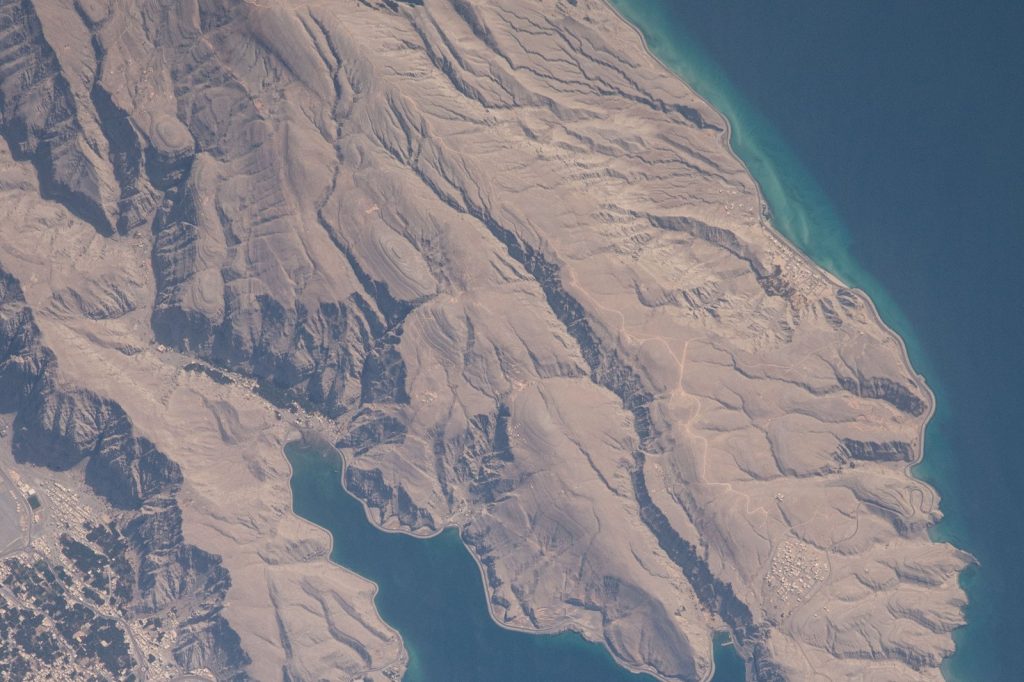
The Strait of Hormuz is a choke point. Every day, tankers carrying oil and gas to Japan, South Korea, India, and Southeast Asia pass through it. The waterway is working.
Transits are actually increasing. But the politics around it are cracking.
Iran and Oman cannot agree on how to manage the strait. That matters. For a family in Tokyo or Mumbai, a disruption here means higher fuel prices.
It means supply chains snapping. The report from Jerusalem says the United States and Gulf states are locked in a standoff with Iran over control of that water.
Now Israel has detonated a very heavy bomb on an underground Hezbollah weapons site in southern Lebanon. The blast was so large that settlers in northern Israel felt the ground shake. That is not a separate event.
It is a signal. Israel’s defense minister, Katz, is now saying an attack on Iran is coming soon. He made a point of saying Israel has capabilities it has not yet used.
That language is deliberate. For families in Lebanon, Iran, and the Gulf, the stakes just went up.
The question is what happens next. Diplomatic options are narrowing. Iran has refused technical talks with the United States, according to reports.
The country’s Assembly of Experts — a body with real governing clout — has issued a very tough statement on negotiations. Their position is clear: no concessions.
That leaves little room for Washington or anyone else to pull back from the brink. There is also a money problem. Iran’s President Pezeshkian said Iran “expected” to get $6 billion in frozen funds from Qatar.
Some online commentary took that to mean the money had already arrived. It has not. That $6 billion is still stuck.
For a government facing sanctions and a restless population, that shortfall adds pressure. Pressure pushes risk.
Risk is the story here. A bomb in Lebanon. A threat to Iran.
A strait in dispute. Talks stalled.
Money frozen. Each piece on its own is bad. Together, they build a chain.
A misstep in the strait — a ship boarded, a mine laid, a tanker seized — could lock that chain. The Gulf states are watching. So are the Asian economies that depend on the Hormuz passage.
So are ordinary people who just need fuel to reach their homes. What is being done to prevent it?
Not much that has worked. The United States and Gulf states remain in a standoff. Iran’s leadership is hardening its public stance.
Israel is escalating. The technical talks the U.S. wanted are off the table.
The Assembly of Experts has spoken. The money that might have bought some breathing room is still in Qatar. Katz says an attack is coming soon.
He did not say when. He did not say how. He said Israel has unused capabilities.
That is a warning. For the region, the only question left is whether anyone can stop what is coming.
The signs say no.




