
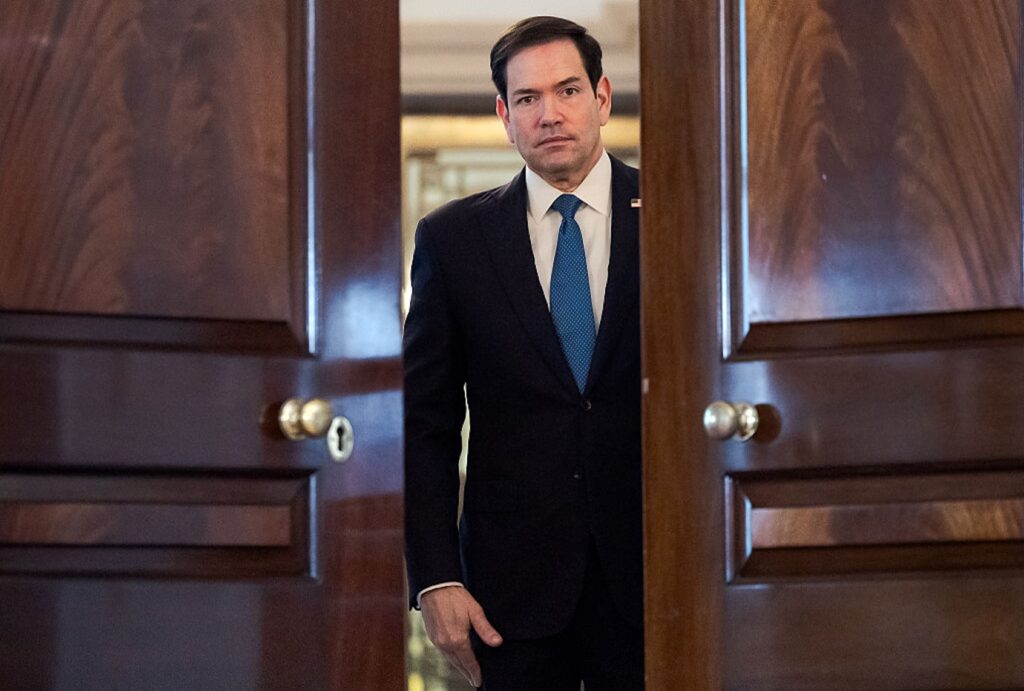
WASHINGTON, July 12 — The United States has altered its sanctions policy on Venezuela, granting Secretary of State Marco Rubio the authority to modify the measures without interagency approval from the Treasury Department’s Office of Foreign Assets Control. The change, formalised on March 24, 2025, represents a shift in how Washington applies economic pressure on the Maduro government. The technical reality is that OFAC has historically been involved in sanctions adjustments, with any change requiring coordination through the National Security Council.
By centralising authority at the State Department, the new arrangement could expedite the issuance of licences to companies like Chevron, which has operated in Venezuela under a specific licence since 2022. Chevron’s licence was renewed in 2023 and again in 2024.
The mechanics of the sanctions regime
The US has imposed sanctions on Venezuela since 2017 under Executive Order 13692, targeting individuals and entities linked to the government of President Nicolás Maduro. The measures have included asset freezes, visa bans, and restrictions on the Venezuelan oil industry. In 2019, the US imposed full sanctions on Petróleos de Venezuela, S.A., the state oil company known as PDVSA.
The detail that matters is the impact on oil flows. US imports of Venezuelan crude dropped from 500,000 barrels per day in 2016 to near zero by 2020.
That collapse was the direct result of the 2019 PDVSA sanctions. The new authority granted to Secretary Rubio could now allow for issuing targeted licences that let companies like Chevron resume or expand operations without waiting for the full bureaucracy to move.
The diplomatic dimension
The policy shift comes at a delicate moment for the Norway-mediated negotiations between the Venezuelan government and the opposition, which have been ongoing since 2022. The centralisation of sanctions authority at State could be read two ways: as a tool to offer the Maduro regime incentives for progress at the negotiating table, or as a mechanism to tighten the screws more quickly if talks stall. As ever with sanctions policy, the detail that matters is the speed of execution.
Under the old system, a company seeking a licence to operate in Venezuela would submit a request to OFAC, which would then consult with the National Security Council, the State Department, and other agencies. Now, Secretary Rubio can act without that interagency approval, potentially issuing licences more quickly.
What to watch next
The immediate question is whether Chevron will seek to expand its operations under the new framework. The company has maintained a presence in Venezuela under its existing licence, but the ability to move quickly on licence renewals or expansions could change the calculus for other international oil companies as well. The broader question is whether this centralisation of authority will accelerate the diplomatic track or simply give the administration more flexibility to respond to events on the ground.
The Norway-mediated talks have produced no breakthrough, and the Maduro government has shown little willingness to make the political concessions the US has demanded. The new sanctions architecture gives Secretary Rubio a sharper tool — but the question of whether he will use it to reward progress or punish its absence remains unanswered.




