
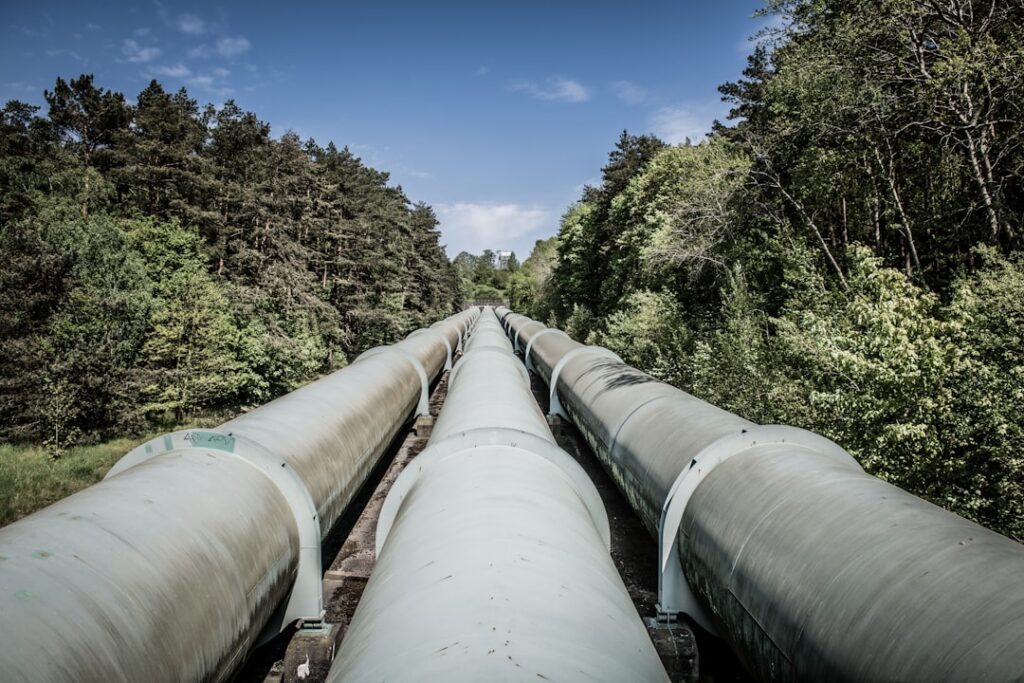
Johor is getting a new water treatment plant. That is the most concrete outcome of the renewed water pact signed on November 4, 2023, between Singapore and Malaysia. The plant, expected to be operational by 2028, will boost raw water capacity by 20 percent.
Both governments are sharing the cost. That is a shift.
Under the old 1962 agreement, Singapore paid 3 sen per 1,000 gallons of raw water from the Johor River. That rate has been a point of friction for decades. Malaysian officials have long argued it was too low, a relic of a colonial-era arrangement that did not reflect modern costs.
The new pact changes that. The exact new price has not been publicly disclosed.
But Malaysia’s Energy and Natural Resources Minister, Nik Nazmi Nik Ahmad, called the updated pricing “a fairer arrangement that better reflects the value of water resources and the costs of maintaining the supply system.” That language matters. It signals that Malaysia sees this as a correction, not just a tweak. Singapore’s Minister for Sustainability and the Environment, Grace Fu, framed the deal as a recognition of “the long-standing partnership between our two countries and the need for sustainable water management.” That is the diplomatic gloss.
But the real consequence is operational. The joint investment in treatment facilities and pipeline upgrades means both sides now have skin in the game for infrastructure that was previously Singapore’s primary responsibility. Shared costs mean shared stakes.
The 1962 agreement itself is not changing. It still runs until 2061.
That 99-year lease structure remains intact. What has changed is the financial and operational framework within that lease. Singapore gets its guaranteed 250 million gallons of raw water per day — the same volume as before.
But it will pay more for it, and it will help build the plant that treats it. For Johor, the benefit is twofold: a new plant that increases capacity for its own growing population, and a pricing structure that brings in more revenue.
Water is a sensitive issue in Singapore. The country has no natural aquifers and relies on imported water, recycled water, and desalination. The Johor pact covers roughly half of Singapore’s supply.
Any disruption would be severe. The renewed terms do not change that vulnerability. But they do reduce one source of tension — the pricing dispute that has flared up repeatedly in bilateral talks.
With the price now renegotiated, that particular irritant is off the table. What to watch next is the 2028 deadline for the new treatment plant.
Infrastructure projects of this scale in Johor have a mixed track record. Delays are common. If the plant slips, the capacity increase does too.
And both governments will have to explain why. The joint investment structure means neither can blame the other entirely — a new dynamic in a relationship long marked by mutual finger-pointing over water.
The deal also resets the clock on public perception. In Malaysia, the old 3 sen rate was a political lightning rod, a symbol of an unequal arrangement. The new, undisclosed rate removes that talking point.
In Singapore, the higher cost will eventually flow through to household bills, though the government has not said how much. The Ministry of Sustainability and the Environment has not announced any immediate tariff changes. For now, the pact is signed.
The old arguments are over. The new ones — about cost, capacity, and completion dates — are just beginning.




