
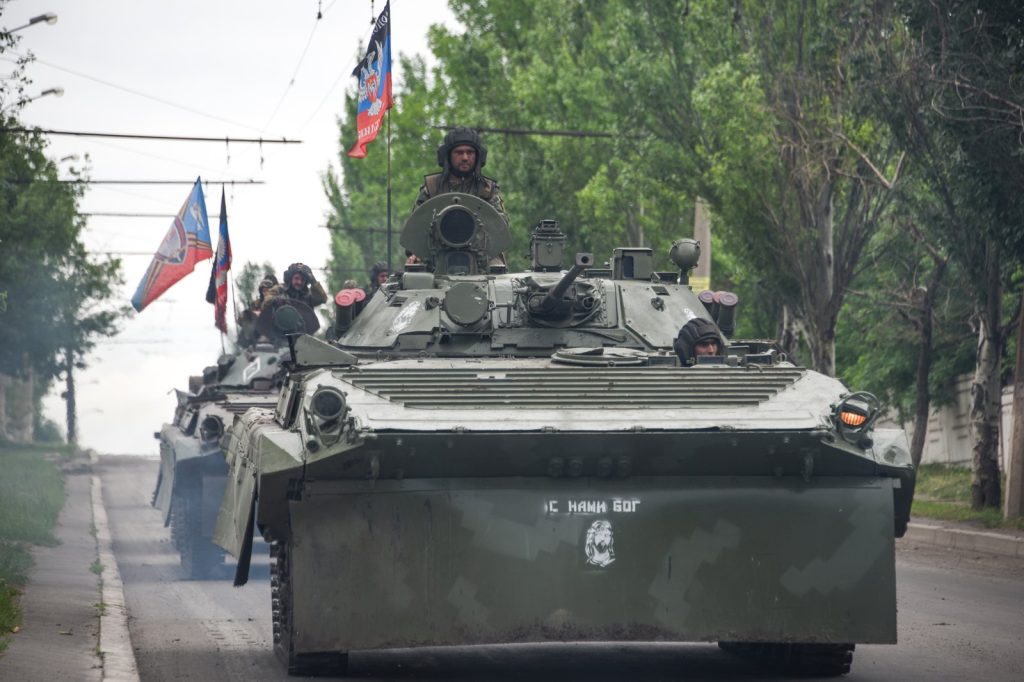
KYIV, July 15 — The Russo-Ukrainian War, which began with Russia’s annexation of Crimea in February 2014, continues to shape the geopolitical landscape of Eastern Europe more than a decade later. Officials confirmed that the conflict’s origins trace back to the Euromaidan protests, which ousted President Viktor Yanukovych in February 2014, setting in motion a chain of territorial disputes and military engagements that remain unresolved. According to the record, Russia formally annexed Crimea in March 2014 following a disputed referendum.
Pro-Russian separatists, backed by Moscow, subsequently seized control of parts of Donetsk and Luhansk oblasts in eastern Ukraine, triggering the War in Donbas from April 2014. The Minsk agreements, signed in September 2014 and February 2015, were designed to halt hostilities but failed to produce a lasting peace.
The 2022 Escalation and Its Aftermath
The conflict entered a new phase on February 24, 2022, when Russia launched a full-scale invasion of Ukraine. This marked a major escalation from the limited proxy war that had simmered since 2014. Key battles during this period included the Siege of Mariupol, which lasted from February to May 2022, and the Battle of Kyiv, fought from February to April 2022.
Ukrainian forces also mounted a counteroffensive in 2023. As of August 2024, the war has produced staggering human costs.
US estimates place combined military casualties for both sides at over 500,000. The humanitarian toll is severe: more than 8 million Ukrainians have been displaced internally, while the UNHCR has recorded over 6 million refugees fleeing the country. These figures underscore the scale of the displacement crisis, which remains one of the largest in Europe since World War II.
International Response and Sanctions
The invasion drew a coordinated international response. The United States, the European Union, the United Kingdom, and other nations imposed sweeping sanctions targeting Russia’s energy, finance, and defense sectors. These measures were designed to degrade Moscow’s ability to sustain its military operations, though their long-term effectiveness remains a subject of debate among analysts.
Western officials have consistently framed the conflict as a test of the post-1945 international order, arguing that territorial aggression cannot go unanswered. The war has also reshaped European security architecture.
NATO has expanded its eastern flank, with Finland and Sweden seeking membership, while EU member states have accelerated efforts to reduce dependence on Russian energy imports. These shifts represent a strategic realignment that officials say will persist regardless of the conflict’s eventual outcome. Looking ahead, the trajectory of the war remains uncertain.
Ukrainian forces continue to hold defensive lines in the east and south, while Russian troops maintain pressure along multiple fronts. Diplomatic efforts to restart negotiations have made little headway, with both sides citing irreconcilable positions on territorial sovereignty and security guarantees.
The record shows that the Minsk process failed to achieve a ceasefire, and no comparable framework has emerged to replace it.




