
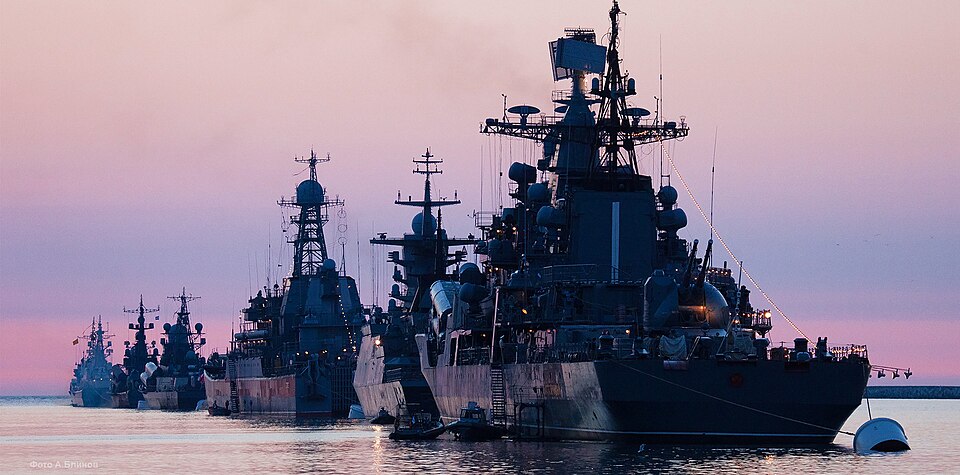
SEVASTOPOL, July 9 — The shift is stark, and it’s happening in plain sight on the Black Sea. What was once a formidable fleet, capable of projecting power and enforcing a blockade, has been systematically dismantled by a relentless campaign of asymmetric strikes. The trend underneath is not just about lost ships; it’s about the obsolescence of a traditional naval doctrine when faced with a nimble, determined opponent using unconventional tactics.
The Russian Black Sea Fleet, headquartered here in Sevastopol, began the 2022 invasion with approximately 50 vessels. That arsenal included submarines, frigates, corvettes, landing ships, and patrol boats.
Its mission set was clear: power projection, supporting amphibious assaults, and enforcing a punishing naval blockade of Ukrainian ports. That was the starting line. By August 2024, the picture had changed dramatically.
According to Ukrainian military estimates, strikes had disabled or destroyed at least 27 of those vessels. That is more than half the fleet’s initial strength, effectively gutting its offensive capability.
The numbers tell a story of vulnerability. Russia has scrambled to respond. The primary countermeasure has been a reinforcement of air defenses in Crimea, alongside a more novel tactic: deploying decoy ships to draw fire away from real combatants.
It is a defensive posture, a sign that the initiative has shifted squarely to Ukraine. What remains of the fleet’s major combat power is a shadow of its former self. The source material identifies three Kilo-class submarines and two frigates as the remaining high-value assets.
But even these have been forced to relocate. Many vessels have been pulled back to safer ports, like Novorossiysk on the Russian mainland, far from the front lines of the drone and missile war.
The Doctrine Gap
Russia’s naval doctrine has long emphasized sea denial and coastal defense. The idea is to control the approaches to one’s own shores and deny the adversary use of the sea. But the fleet was also built for power projection—sending a signal and landing troops far from home.
That offensive capability is now largely gone. The trend underneath is a lesson in technological and tactical asymmetry.
Ukraine has used a combination of uncrewed surface vessels, anti-ship missiles, and long-range strikes to target a traditional navy. The Black Sea Fleet’s vulnerabilities in protecting high-value assets have been exposed. A frigate or a submarine is a multi-billion-dollar investment; a drone boat or a missile is a fraction of that cost.
The math is unforgiving.
What to Watch Next
The immediate question is what Russia can salvage from this. The fleet has been reduced to a coastal defense force in practice, even if its doctrine hasn’t caught up. The relocation to Novorossiysk buys some breathing room, but it also cedes the waters around Crimea to Ukraine’s asymmetric campaign.
Watch this space: the next phase may not be about sinking more ships, but about how Russia adapts its entire naval posture in the Black Sea. The old model of a concentrated, high-value fleet operating from a single hub is being rewritten in real time.
The shift is already here.




