
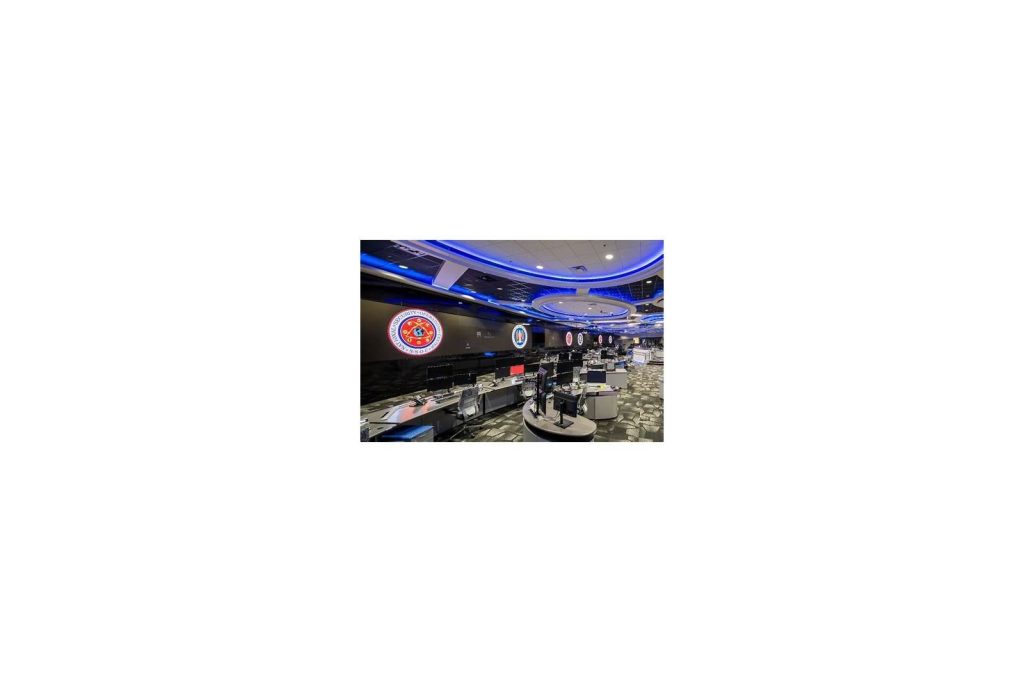
WASHINGTON, July 29 — Against this backdrop of grinding war, a quiet transatlantic machinery has become Ukraine’s first line of defence against Russian aerial bombardment. Western intelligence agencies, chief among them the US National Security Agency and Britain’s GCHQ, have for months provided Kyiv with warnings of impending airstrikes, often days or even hours before missiles are launched.
The cooperation, formalised under intelligence-sharing agreements that trace back to the 2015 Minsk II framework, has evolved into a near-real-time early-warning system that allows Ukrainian authorities to issue public alerts and pre-position air defences. In the corridors of signals intelligence, analysts monitor Russian military preparations with a layered toolkit: intercepted communications, satellite imagery of missile storage depots, and human sources tracking bomber sortie generation and command-level discussions.
Declassified US intelligence from late 2022 revealed that Washington had detected plans for the October 2022 missile campaign based on intercepted strategic discussions among Russian commanders. That pattern of warning — from detection in the ether to public siren in a Ukrainian city — has been refined and sustained ever since.
The shape of the threat
President Zelensky’s most recent alert, informed by this same intelligence pipeline, pointed to specific Russian movements: additional bombers moved to Engels airbase in the Saratov region, and missile launchers repositioned to firing positions in Belarus and Crimea. Western officials have previously estimated that Russia entered the war with a stockpile of some 800 to 1000 cruise missiles, and that domestic production runs at roughly 100 to 150 missiles per month.
That output, while below wartime consumption rates during the most intense campaigns, still permits sustained high-intensity bombardments against Ukrainian infrastructure and population centres. What is at stake in this intelligence flow is not merely tactical warning.
It is the broader picture of how Western powers support a besieged ally while remaining legally and politically short of direct combat. The intelligence sharing itself is hedged by constraints: the US prohibits providing information that could enable the targeting of Russian leaders, but target identification for defensive purposes — allowing Ukraine to intercept incoming strikes — is explicitly permitted. That distinction, fine as it may be, forms the legal spine of the operation.
The wider picture
For European observers, the collaboration underscores a paradox. Western publics are largely shielded from direct consequences, while their intelligence services function as an invisible shield over Ukrainian skies. The pipeline — from signals intercept to satellite photograph to Ukrainian command centre — has become one of the most consequential, and discreet, elements of the conflict.
Whether Russia can sustain repeated waves of missile attacks given its production rate, or whether the intelligence linkage itself will provoke further escalation, remain open questions in the corridors of NATO capitals.




