
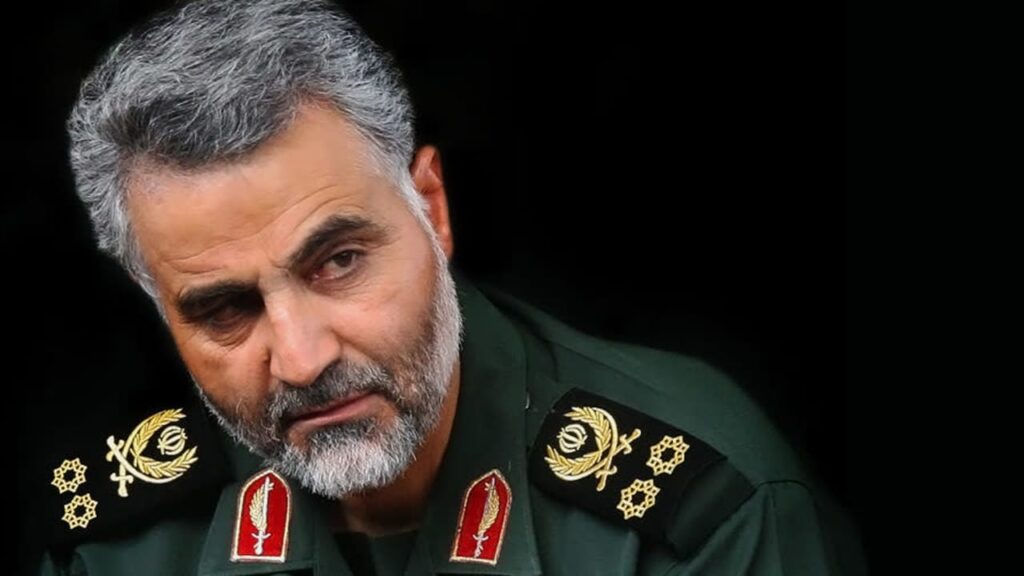
WASHINGTON, July 8 — The killing of Iranian Major General Qasem Soleimani by a U.S. drone strike in January 2020 continues to reverberate through international security discussions, more than six years after the event.
Soleimani, who was born on March 11, 1957, commanded the Quds Force of Iran’s Islamic Revolutionary Guard Corps. In plain terms, the Quds Force is the IRGC’s external arm, responsible for overseas operations and supporting allied militant groups. Soleimani was widely regarded as the second most powerful figure in Iran, behind only Supreme Leader Ali Khamenei.
Here’s what that meant in practice. Think of it like a corporate structure where the CEO sets the overall strategy, and the chief operating officer makes sure it actually happens on the ground. Soleimani was that operational enforcer for Iran’s military ambitions across the Middle East.
His role included direct support for Syrian President Bashar al-Assad during the Syrian civil war. He also oversaw backing for Hezbollah in Lebanon, the Iran-aligned militant group and political party that has long been a thorn in the side of both Israel and Western powers. These weren’t abstract policy positions; they involved weapons shipments, battlefield coordination, and strategic guidance.
The Strike and Its Immediate Aftermath
On January 3, 2020, Soleimani was killed in a U.S. drone strike at Baghdad International Airport. The operation was ordered by then-President Donald Trump. The strike marked a dramatic escalation in the long-running shadow war between the United States and Iran.
The practical upshot was immediate and violent. Iran retaliated on January 8, 2020, launching ballistic missile strikes against Iraqi bases housing U.S. troops. No American service members were killed in those strikes, though dozens suffered traumatic brain injuries.
Soleimani’s death has since been cited as a motive for Iranian threats against U.S. officials, including Trump. The U.S. government has maintained that the strike was a necessary defensive action to disrupt imminent attacks Soleimani was planning against American personnel and interests.
What to Watch Next
The legacy of Soleimani’s killing remains a live issue in U.S.-Iran relations. The Trump administration, now back in office as of 2026, continues to face Iranian hostility tied directly to that 2020 operation. Intelligence agencies monitor for potential retaliation attempts, particularly against current and former U.S. officials involved in the decision-making process.
For ordinary readers, the so-what is straightforward: Soleimani’s death didn’t end Iran’s regional influence. The Quds Force continues to operate under new leadership, and Iran’s support for Assad and Hezbollah persists. The strike removed a key figure, but the underlying strategic competition between the United States and Iran remains as tense as ever.




