
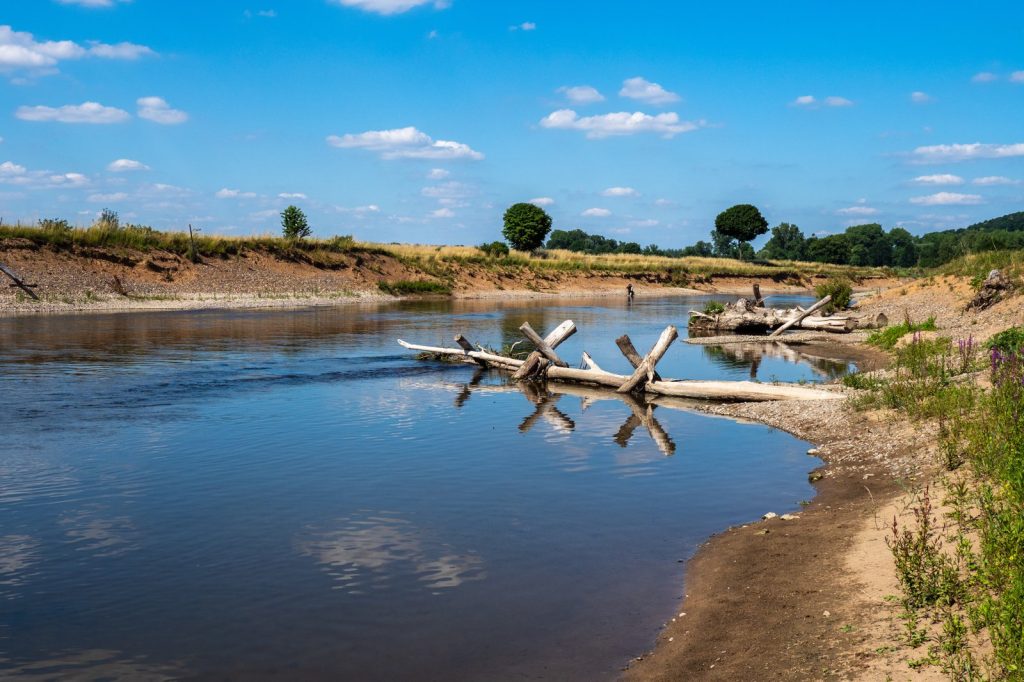
The European Union has taken a significant step towards protecting its environment with the adoption of the Nature Restoration Law, a regulation aimed at restoring the EU’s natural habitats to a good ecological state. This law, which is a core element of the European Green Deal and the EU Biodiversity Strategy, makes the targets set for the “restoration of nature” binding, ensuring that member states take concrete actions to address the decline of Europe’s natural environments.
The Nature Restoration Law was proposed by the European Commission on 22 June 2022, and after a thorough review and discussion, it was adopted by the Council of the European Union on 17 June 2024. The law was subsequently published in the EU’s Official Journal on 29 July 2024, coming into force on 18 August 2024.
This regulation is a response to the alarming state of Europe’s natural habitats, with more than 80% of them in poor condition, highlighting the need for urgent action to protect and restore these ecosystems. The goals of the Nature Restoration Law are multifaceted, aiming to protect the functioning of ecosystem services, mitigate climate change, and enhance resilience and autonomy by preventing natural disasters and reducing risks to food security. By restoring damaged ecosystems, the law also seeks to promote biodiversity and ensure the long-term health of Europe’s natural environments.
To achieve these goals, EU member states will be required to develop their national restoration plans by 2026, outlining their strategies for restoring habitats in poor condition. A key aspect of the Nature Restoration Law is the establishment of clear targets for the restoration of habitats.
Member states will be required to restore at least 30% of habitats in poor condition by 2030, increasing to 60% by 2040, and ultimately achieving 90% restoration by 2050. These targets provide a clear roadmap for member states to follow, ensuring that progress is made towards restoring Europe’s natural habitats and achieving the goals of the European Green Deal and the EU Biodiversity Strategy. The adoption of the Nature Restoration Law demonstrates the European Union’s commitment to addressing the environmental challenges facing the continent.
By taking a proactive and coordinated approach to restoring natural habitats, the EU aims to not only protect its environment but also promote sustainable development and ensure the well-being of its citizens. As the implementation of the law progresses, it will be important to monitor the actions taken by member states and assess their progress towards achieving the targets set out in the regulation. Looking ahead, the next steps in the implementation of the Nature Restoration Law will be crucial in determining its success.
As member states develop their national restoration plans, it will be essential to ensure that these plans are comprehensive, effective, and aligned with the goals of the regulation. The European Commission will also play a key role in monitoring progress and providing support to member states as they work towards achieving the targets set out in the law.
As the EU continues on its path towards a more sustainable and environmentally conscious future, the Nature Restoration Law will be an important tool in achieving this vision, and its implementation will be closely watched in the years to come.




