
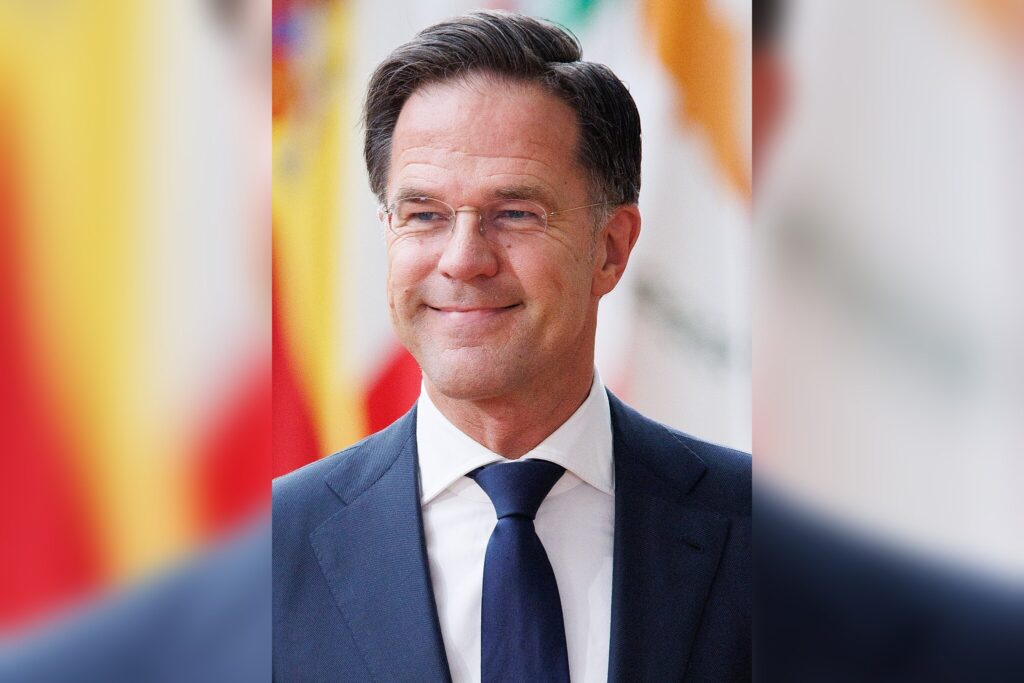
BRUSSELS, October 17 — Against this backdrop of shifting nuclear doctrine and the grinding war in Ukraine, the man who now leads NATO has spent his early tenure in office working to steady an alliance that faces its most serious strategic test in decades. Mark Rutte, who took the helm of the North Atlantic Treaty Organization on October 1, 2024, succeeding Jens Stoltenberg, brought with him a particular kind of European credibility.
He had just stepped down as Prime Minister of the Netherlands, a post he held from October 14, 2010, to July 2, 2024, making him the longest-serving Dutch premier. That longevity in the corridors of The Hague, navigating coalition politics and crises, shaped a leader known for his pragmatic, bicycle-riding informality — and a sharp understanding of what is at stake when European security is challenged.
The wider picture that greeted Rutte in Brussels was one of heightened tension. Russia had recently revised its nuclear doctrine, and the war in Ukraine continued to demand a unified Western response. On October 17, 2024, just over two weeks into his tenure, Rutte stood alongside Ukrainian President Volodymyr Zelensky in Brussels.
In that joint appearance, he stated plainly that NATO takes Russian nuclear rhetoric “very seriously.” But he also offered a careful assessment: the alliance had seen no operational changes in Russia’s nuclear posture. That distinction — taking the rhetoric seriously while not overreacting to it — has become a hallmark of his public messaging.
Rutte has consistently emphasised NATO’s commitment to collective defence under Article 5, the alliance’s core mutual-defence clause. For a European leader who spent years arguing within the European Union for fiscal discipline and within NATO for burden-sharing, this is familiar ground. He has supported Ukraine’s right to self-defence, a position that aligns with the alliance’s broader stance since the full-scale invasion began in 2022.
Perhaps the most pressing issue Rutte has pressed upon member states is the question of defence spending. He has called for increased investment, urging allies to exceed the 2% GDP target that has long served as the alliance’s benchmark. This is not a new demand — it has echoed through NATO summits for years — but Rutte has given it a fresh urgency.
The war next door, in Ukraine, has made abstract commitments feel concrete. Early in his tenure, the alliance operates under a leader who knows the machinery of European governance intimately.
The question now is whether that experience will be enough to hold the line as the strategic landscape continues to shift. What to watch next is how Rutte navigates the twin pressures of maintaining unity among member states while responding to a Russia that shows no sign of abandoning its confrontational posture.




