
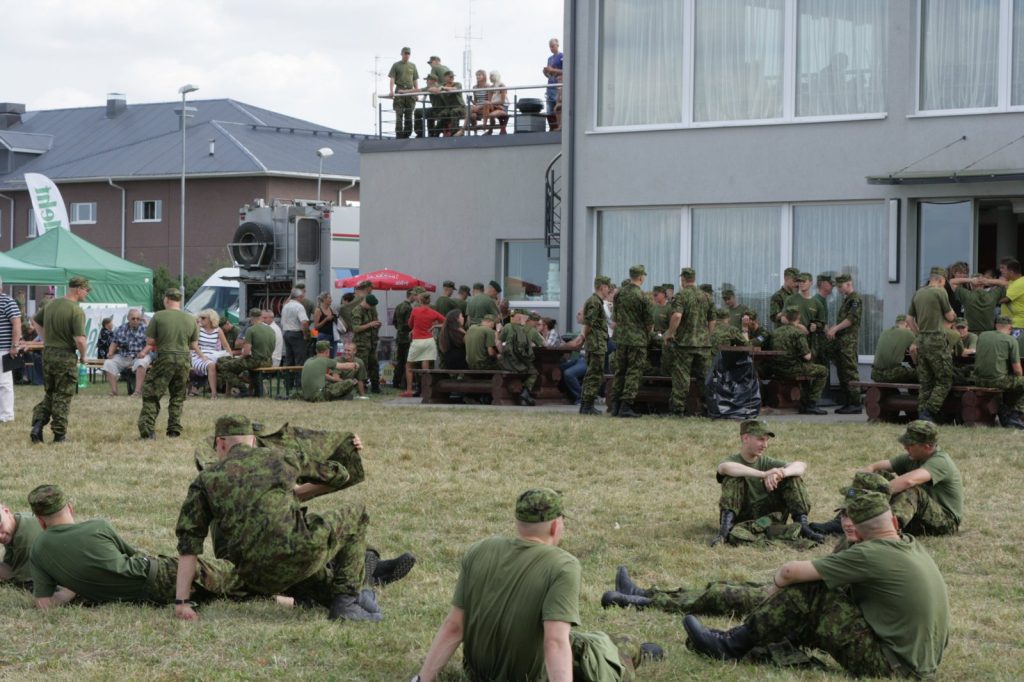
TALLINN, July 6 — The shift is subtle but real: the United States has pulled its troops from Estonia, and the region’s defense architecture is quietly recalibrating. The decision does not unravel NATO’s Enhanced Forward Presence, but it changes the weight of the alliance’s posture in the Baltics. NATO established the eFP in 2016, following the 2014 Wales Summit.
The framework placed four multinational battlegroups across Estonia, Latvia, Lithuania, and Poland. Each battlegroup is rotational, with approximately 1,000 troops each, and includes contributions from multiple NATO member states.
The United Kingdom leads the Estonian contingent, Canada leads in Latvia, Germany in Lithuania, and the United States in Poland. Here’s what’s changing: the US withdrawal from Estonia does not directly affect the UK-led battlegroup stationed there. That force remains in place.
But the move removes an American presence from the northern Baltic flank, and the trend underneath is a heavier reliance on the eFP structure itself for regional security. The battlegroups were always designed to demonstrate NATO’s collective defense commitment under Article 5.
That hasn’t changed. What’s changing is the distribution of that commitment. With US troops no longer on the ground in Estonia, the burden shifts to the remaining multinational forces already rotating through.
Watch this space. The eFP model was built for deterrence, not static defense. Rotational troops, multinational command, and a clear Article 5 signal.
But a US departure from one host nation raises questions about perception. Does the deterrent hold the same weight when the superpower’s flag isn’t flying at every outpost?
The answer, for now, is that the UK-led battlegroup in Estonia continues its mission. The alliance’s collective defense pledge remains intact. But the move signals a recalibration of American priorities, and the eFP becomes the primary vehicle for reassurance in the region.
What’s next? The eFP battlegroups are rotational, meaning force composition can shift.
NATO members may adjust contributions. The alliance has shown flexibility before. The trend underneath is a slow, deliberate redistribution of responsibility.
The US still leads in Poland. The other three battlegroups carry on. For Estonia, the immediate security architecture holds.
The UK presence is steady. But the American departure marks a moment.
The eFP was never meant to be static, but its strength lies in the visible, multinational commitment. That commitment now leans more heavily on European shoulders.




