
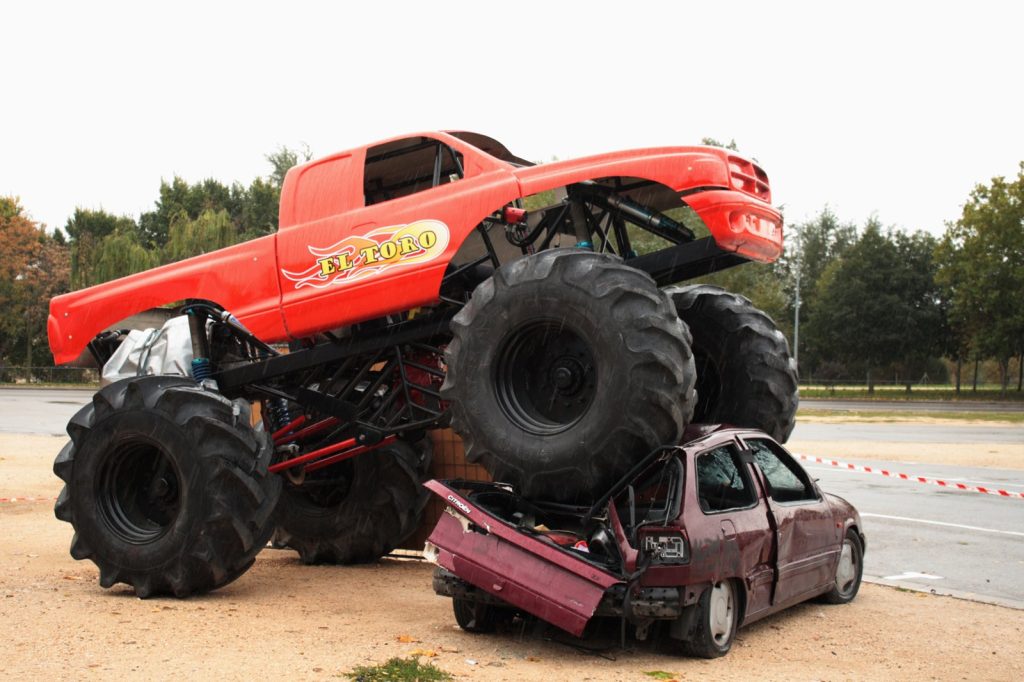
A public exhibition in the Cauca Department of Colombia turned tragic on May 3, 2026, after a monster truck drove into a crowd of spectators. The accident in Popayán resulted in at least three fatalities and left 38 people injured. As the local community deals with the aftermath, the focus has shifted toward supporting the injured and the families of those who died.
Investigation and Safety Concerns
The crash has prompted a critical examination of the safety regulations and emergency response procedures governing public events, both within Colombia and internationally. Because these specialized off-road vehicles are designed for entertainment and motorsports, their immense power and size make them unpredictable and dangerous if not managed with strict precautions. Questions are now being raised regarding the specific safety measures that were in place during this exhibition, as event organizers are responsible for protecting the public from hazards such as vehicle crashes.
The Nature of Monster Trucks
Originally emerging in the late 1970s, monster trucks have evolved from modified SUVs and stock pickup trucks into purpose-built machines. Modern versions typically feature fiberglass bodies and tube-frame chassis.
These vehicles are massive; a competition truck can stand 12 feet tall and weigh several tons. For example, vehicles seen in events like Monster Jam weigh at least 10,000 pounds, or five short tons. The sheer scale of these machines necessitates rigorous safety protocols to prevent the kind of disaster witnessed in Popayán.
Environmental and Social Implications
Beyond the immediate safety risks, the incident has reignited a broader debate regarding the environmental impact of high-impact entertainment. The oversized tires and large-displacement V8 engines used in these trucks contribute to energy consumption and noise pollution.
As global trends move toward energy security and more sustainable practices, there is a growing call to explore cost-effective alternatives powered by renewable sources. The tragedy has highlighted the necessity of prioritizing environmental responsibility and safety when organizing public gatherings. By fostering a culture of awareness and vigilance, planners can work to reduce the environmental footprint of such activities while ensuring the well-being of attendees.
Looking Forward
The events in Popayán serve as a stark reminder of the need for responsible event planning to prevent future accidents. As the investigation continues, there is a push to create a more secure and sustainable world by learning from this incident.
By reviewing safety standards and promoting a culture of responsibility, the goal is to ensure a cleaner, safer environment for future generations and to prevent similar tragedies from occurring.




