
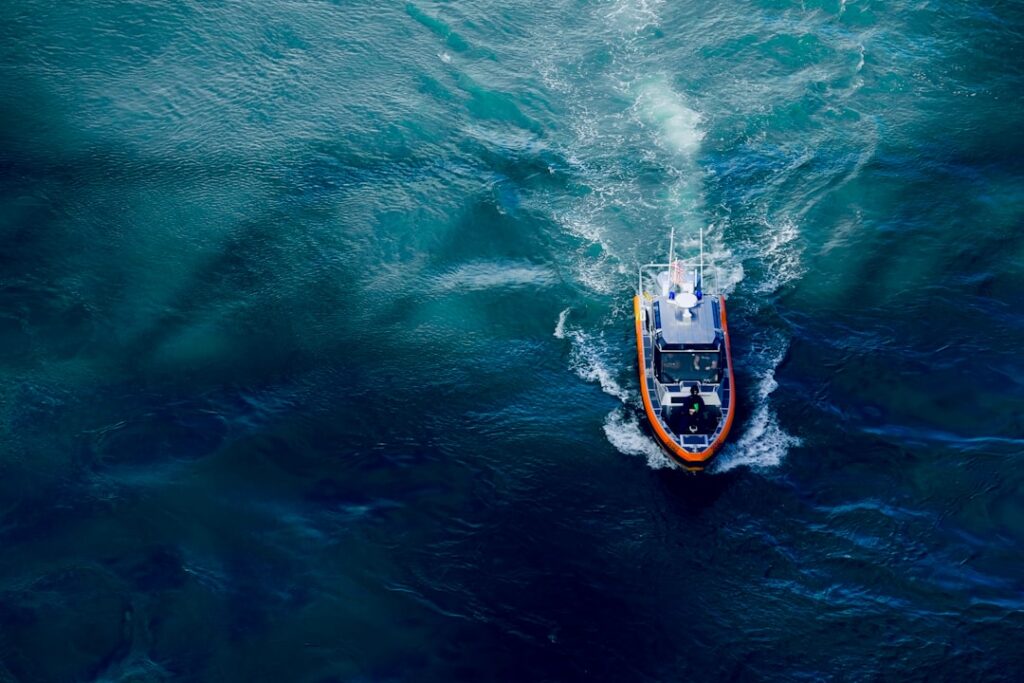
On 20 August 2025 a boat that had set out from North Africa was found drifting off the southern coast of Mallorca. The vessel, likely launched from Algeria, Morocco or Tunisia, had been attempting the 170‑mile crossing to the Spanish Balearic Islands.
By the time Spanish authorities reached the wreck, one passenger was dead, nineteen were injured and three of those suffered serious wounds. Although the death toll is modest compared with the broader Mediterranean crisis, the incident fits a long‑standing pattern. The Balearic Islands—Mallorca, Menorca, Ibiza and Formentera—have served as a crossing point for decades, their proximity to the Algerian shoreline offering a relatively short, direct route for people fleeing hardship.
The islands are not the primary corridor; that distinction belongs to the Canary Islands, where Atlantic passages from West Africa claim hundreds of lives each year. Nonetheless, boats continue to depart North Africa for the Balearics, often in overloaded inflatable crafts or small fishing vessels that capsize when passengers shift weight, suffer engine failure, run out of fuel or become lost at sea.
August waters are warm, but that does not guarantee safety. The Mallorca wreck illustrates how quickly a journey can turn fatal. The vessel was discovered adrift, and the single fatality occurred before rescuers could intervene. Tourism dominates the Balearic economy, especially in August when visitors from the Netherlands, Ireland, Germany and the United Kingdom crowd the island’s beaches and fill Palma’s streets.
The stark contrast between sunbathers and a rescue operation highlights the dependence of the local economy on both tourist spending and the labor of migrants who work in hotels, restaurants and other service sectors. Since gaining autonomous status in 1983, the Balearic Islands have maintained their own regional government and coast guard.
Yet migration policy remains under the jurisdiction of the Spanish central government and the European Union, with coordination through Frontex, the EU border agency. International maritime law obliges the rescue of persons in distress at sea, a duty that Spain upholds. The challenge lies in what follows a rescue.
Spain’s reception system is under pressure; in 2024 the country rescued more than 50,000 migrants arriving by sea. The Balearics handle only a portion of that number, but local shelters and processing facilities are quickly overwhelmed, leaving many migrants in a state of limbo.
Some are returned to Algeria under bilateral agreements, while others disappear into the informal economy or attempt onward travel to mainland Europe. Environmental concerns accompany the humanitarian ones. The wreck added diesel, debris and plastic to the surrounding waters, threatening the fragile Balearic ecosystem.
Seagrass meadows, which sequester carbon and provide habitat for fish, are vulnerable to anchor damage and pollution. The broader driver of migration—drought, crop failure and extreme heat across North Africa—remains largely out of the headlines but is central to the ongoing flow of people.
The International Organization for Migration records over 30,000 deaths in the Mediterranean since 2014, a figure that experts believe understates the true toll because many incidents go unreported. The Mallorca incident, though small in scale, serves as a reminder that each crossing carries significant risk. One life was lost, nineteen were injured and three remain seriously hurt.
The boat’s passengers will face a protracted process of care, identification and possible relocation. Meanwhile, the flow of vessels across the Strait is unlikely to cease, nor will the island’s tourist season.
The juxtaposition of rescue and recreation continues, reflecting a complex reality that intertwines humanitarian, economic and environmental threads.




