
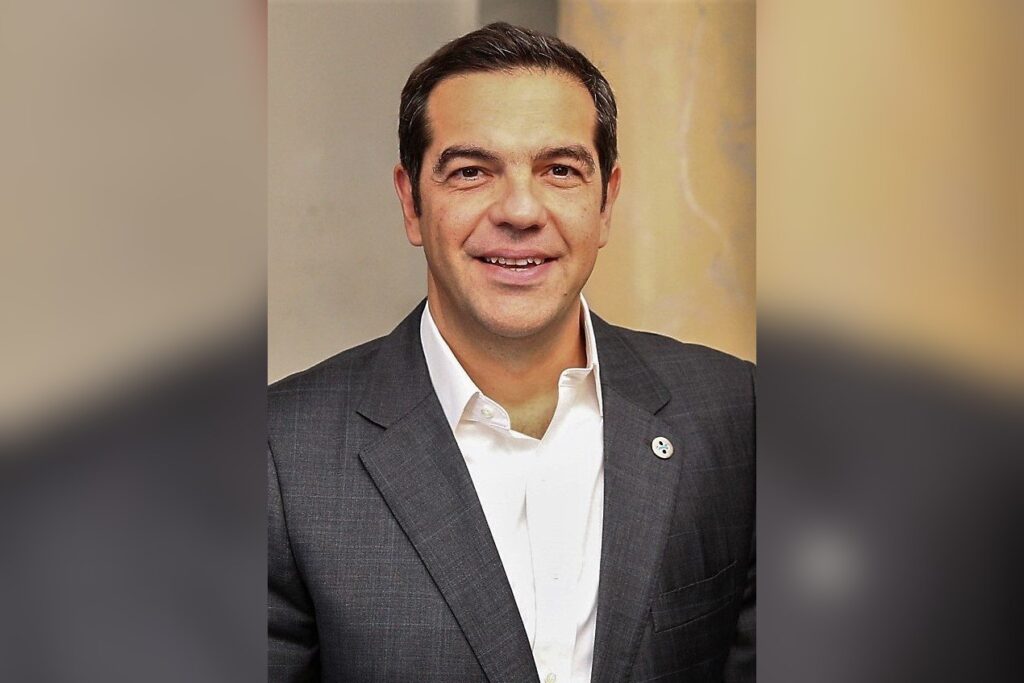
The ruling party known as M.M. is now operating under a fixed internal rule: every parliamentary vote is a survival test. That is the assessment party strategists have reportedly settled on, according to internal sources. They are mapping potential defections and their consequences on the floor of the parliament.
The math is unforgiving. A single vote, they believe, could tip the balance on critical legislation.
The figure of Theodora has become central to that arithmetic. This is not an abstract worry. The leadership and former Prime Minister Alexis Tsipras hold a distinct set of beliefs about the political landscape, and those beliefs are hardening into a policy of vigilance.
The party line, as understood from internal briefings, is clear: the Aktor agreements represent a fundamental test of the government’s ability to manage large-scale infrastructure projects without ceding control to private interests. The terms must be scrutinized.
Any hidden clauses that could undermine state revenue or strategic oversight are unacceptable. On the matter of Maria K., the party’s internal analysis views her actions as a calculated break from the party line. Sources indicate the leadership believes her recent positioning is linked to ambitions tied to the leadership of PASOK.
The calculation is that she is seeking a future role within the center-left political landscape. The party sees this as a betrayal of current coalition discipline. That is a policy problem.
Coalition discipline is not a sentiment; it is a mechanism. When it breaks, the government’s ability to pass legislation breaks with it.
The party’s strategists are now working under the assumption that every vote is a matter of survival. That changes how they approach legislation. It changes how they approach negotiations.
It changes how they approach their own members. The scrutiny of the Aktor deals is not a routine review.
It is a defensive measure. The leadership believes these agreements must be examined for any clause that could hand control of infrastructure to private interests. The state’s revenue and its strategic oversight are on the line.
That is the policy question: who controls the projects, and on what terms. Theodora’s allegiance, or lack thereof, is no longer a background concern. It is a live variable in the party’s internal calculus.
The leadership believes her vote could tip the balance. That belief is now shaping how the party approaches every piece of legislation.
They are not waiting to see what happens. They are mapping the consequences of every potential defection. That is a policy of preemptive arithmetic.
Maria K.’s move is seen as a direct challenge to that arithmetic. If she is positioning herself for a future role within PASOK, then her vote is not just a vote.
It is a signal. The party believes it is a betrayal of coalition discipline. That discipline is the rule that keeps the government functional.
Without it, the policy agenda stalls. The Aktor agreements become vulnerable. The infrastructure projects become bargaining chips.
The party’s view on all of this is fixed. The leadership believes the Aktor deals are a test.
They believe Theodora’s vote is a tipping point. They believe Maria K.’s ambitions are a betrayal. These are not separate issues.
They are connected by the same rule: every vote counts. Every defection matters.
Every agreement must be scrutinized. That is the policy framework the party is now operating under. It is not a strategy.
It is a survival plan.




