
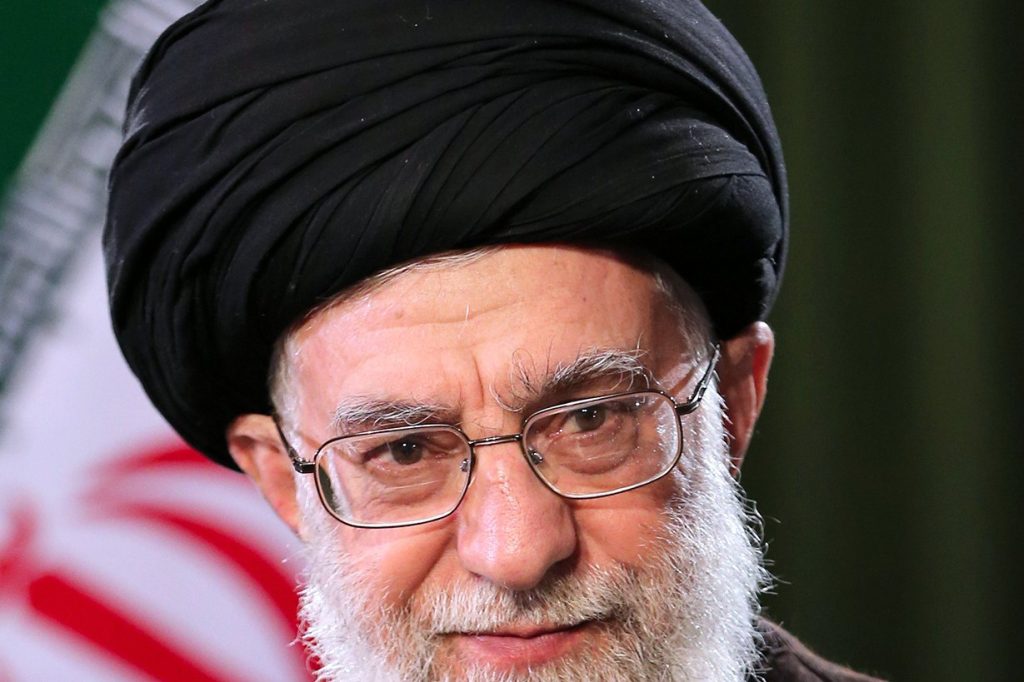
A Rise Forged in Revolution and War
Khamenei’s ascent to the pinnacle of power was not straightforward. He rose to prominence as an opponent of Mohammad Reza Pahlavi, spending time in exile and facing several arrests before the 1979 revolution. After the revolution, he held various government posts and served as president during the Iran-Iraq War, a period that allowed him to develop strong ties with the Islamic Revolutionary Guard Corps. When Khomeini died, Khamenei became supreme leader in 1989, but his appointment required a change to the constitution. He was a mid-ranking cleric and did not meet the original religious requirements for the office. The Assembly of Experts amended the law to allow his appointment.
Once in power, Khamenei focused on exporting the Islamic Revolution and expanding regional influence. He supported a coalition of allies in various conflicts across Syria, Iraq, Yemen, and Gaza. His long tenure shaped Iran into a regional power. He pushed for the privatization of state industries and used oil and gas to build economic strength. Because the supreme leader is the highest political and religious authority in Iran, the role grants the holder final say over the military, foreign policy, and the nuclear program. Khamenei’s decisions regarding the military and nuclear program continue to dictate the relationship between Iran and the West. He controls the security apparatus, so his directives determine how the state responds to international pressure.
Sanctions, Diplomacy, and a Declaration from Washington
The United States has had Khamenei under sanctions since 2019. Those measures target his office and financial holdings, part of a broader pressure campaign by Washington. On March 31, 2025, President Donald Trump issued a declaration regarding Iran. In response, Khamenei’s office stated that Iran would respond “proportionally.” The source material does not detail the content of Trump’s declaration, nor the specific nature of the proportional response Tehran has in mind. The Supreme Leader’s authority over the Islamic Revolutionary Guard Corps means any military or strategic reply would fall under his direct command.
Khamenei’s approach to the United States has remained consistent over his tenure. He has not held direct talks with an American president since becoming Supreme Leader. Yet the indirect channel through Oman and Qatar has served as a back channel when both sides needed to communicate. The 2024 ceasefire endorsement suggests Khamenei is willing to engage when he sees strategic advantage, even if he avoids the optics of direct diplomacy. His opposition to direct negotiations is not absolute—it is conditional. The source material indicates he has allowed talks through regional mediators, a nuance often lost in Western reporting that paints him as entirely intransigent.
Strategic Calculus and What Lies Ahead
The coming months will test whether Khamenei’s “proportional” response to the Trump declaration escalates into a broader confrontation or remains confined to diplomatic and economic measures. His history suggests caution mixed with firmness. Patients and analysts watching Iran’s nuclear file should note that the Supreme Leader retains the final say over enrichment levels and inspection access. Any shift in policy would come from his office, not from the elected president or parliament. For now, the situation remains fluid. As always, those with specific concerns about regional stability or investment exposure should consult their government’s foreign ministry for the latest travel and security advisories.




