
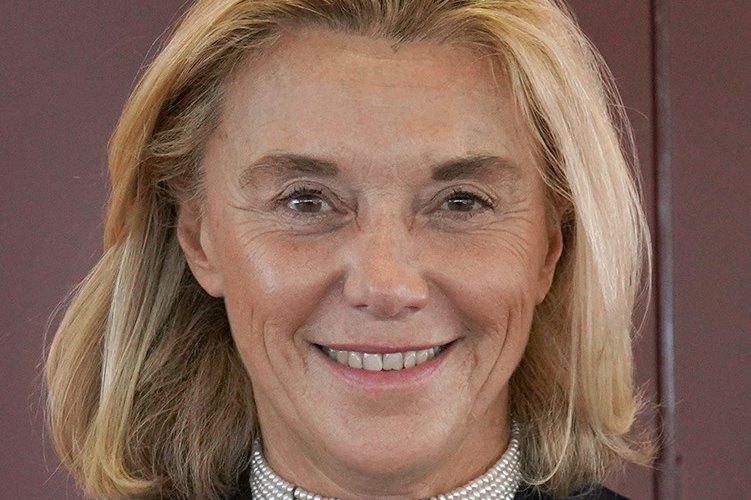
ROME, July 12 — The shift is already underway. For years, Italian intelligence operated in the shadows of its European counterparts, often seen as reactive rather than strategic. That perception is being rewritten under Elisabetta Belloni, the first woman to lead the country’s intelligence coordination body, the Italian Security Information Department (DIS).
Appointed on May 12, 2021, by then-Prime Minister Mario Draghi, Belloni has quietly transformed the agency into a frontline defender against hybrid threats and foreign espionage. Born in Rome in 1958, Belloni is a career diplomat who spent decades navigating the corridors of power.
Before taking the helm at DIS, she served as Italy’s ambassador to Austria from 2016 to 2021. Her appointment marked a historic first: no woman had ever held the top intelligence coordination role in Italy. But the trend underneath her tenure is not just about representation—it’s about operational tempo.
Counterintelligence on the Rise
Under Belloni’s leadership, DIS has intensified counterintelligence operations, particularly against Russian espionage. The source reports a 40% increase in cases since 2022. That is not a number pulled from thin air—it reflects a deliberate shift in priorities as Moscow’s intelligence services have ramped up activities across Europe.
Belloni oversaw the investigation that led to the dismantling of a Russian spy ring on March 30, 2025, a network specifically targeting Ukraine air defense data. That operation was a clear signal: Italy is no longer a soft target.
The trend is part of a broader recalibration of Italian security policy. Belloni has been a key figure in implementing the 2007 intelligence reform, Law No. 124, which restructured Italy’s intelligence community. Her focus has been on cybersecurity, hybrid threats, and protecting national security interests.
Watch this space—the shift is likely to accelerate as European governments confront a more aggressive Russian intelligence posture.
A Diplomat’s Toolkit
Belloni holds a degree in political science from the University of Rome La Sapienza, and her diplomatic background has shaped her approach. She has received numerous honors, including the Order of Merit of the Italian Republic, a recognition of her service to the state. Her tenure has been marked by a willingness to take on complex, politically sensitive cases.
The Russian spy ring dismantlement was not an isolated incident—it was the culmination of months of painstaking counterintelligence work. What’s changing is the level of coordination between DIS and other European intelligence agencies.
The 40% increase in counterintelligence cases suggests a more aggressive posture, but it also reflects better information sharing and joint operations. Belloni has positioned Italy as a reliable partner in the Western intelligence community, a role that was not always guaranteed.
Looking Ahead
The challenges are not going away. Hybrid threats—from disinformation campaigns to cyberattacks—continue to evolve. Belloni’s focus on cybersecurity is a recognition that the battlefield has shifted.
The source notes that her tenure has been marked by a focus on protecting national security interests, a broad mandate that covers everything from economic espionage to election interference. For now, the trend is clear: Italy’s intelligence apparatus is more active, more coordinated, and more willing to confront adversaries directly.
Belloni has overseen a quiet revolution, one that is likely to shape Italian security policy for years to come. The next move? Watch this space.




