
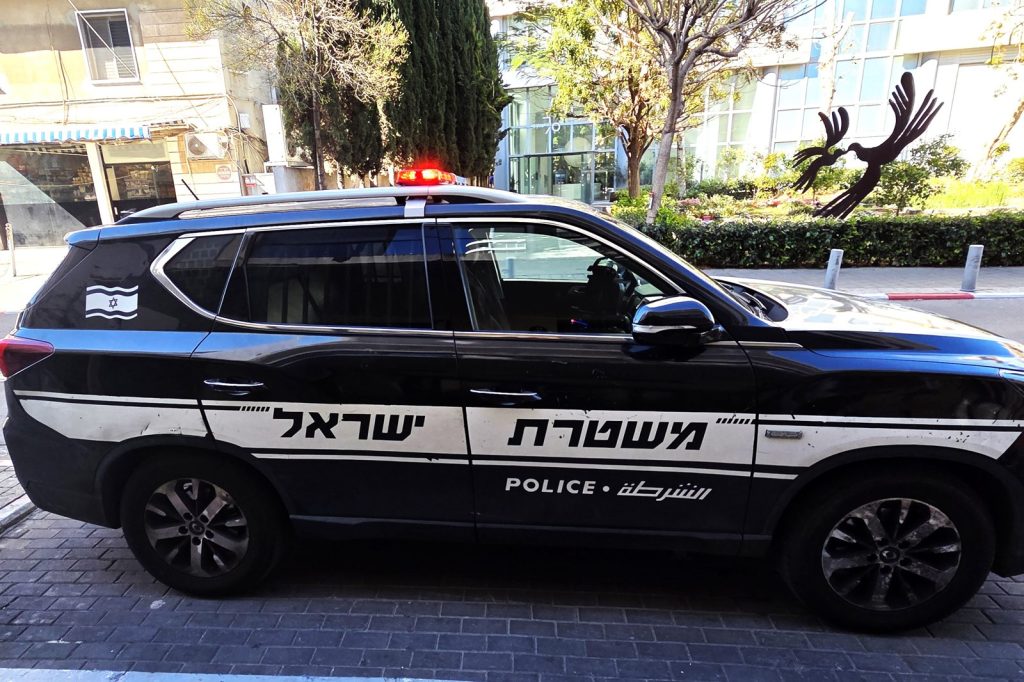
Israeli security forces are preparing for potential copycat incidents following a combined car ramming and stabbing attack in Mount Hebron on May 7 that wounded one individual. The assailant first drove a vehicle into pedestrians before exiting and attempting to stab bystanders, prompting local authorities to implement stricter security measures throughout the West Bank.
The incident unfolded rapidly when the attacker used a car to strike people, then emerged with a knife. Israeli security personnel responded quickly, a move that likely prevented additional casualties. Other units are now studying that rapid response as a potential template for future operations.
Officials express deeper concern about the pattern such attacks can establish. The region has experienced similar sequences of violence previously. Mount Hebron, located in a contested area where Palestinian and Israeli communities live in close proximity, has a history of such incidents.
The May 7 attack did not escalate into a broader firefight but has heightened tensions. Local leaders are requesting increased patrols, checkpoints are expected to be tightened, and schools in nearby settlements have been instructed to review their security procedures.
The United States has offered support and assistance, consistently advocating for calm and restraint in the region. That message now faces a significant test, as a single attacker acting alone can undermine weeks of diplomatic efforts. The White House recognizes that its calls for de-escalation remain effective only as long as violence does not spread.
The timing of the attack adds to its sensitivity. The West Bank remains a flashpoint in the Israeli-Palestinian conflict, with periodic outbreaks of violence occurring regularly. Each incident carries potential to escalate further. International efforts to promote peaceful resolution continue, with the US playing a key role in facilitating negotiations, though those talks have shown limited progress.
The May 7 incident underscores that ground realities remain volatile. Iran’s support for militant groups in the region has contributed to ongoing instability, drawing US criticism. A report by the Foundation for Defense of Democracies, cited by US officials, details Iran’s role in arming and funding factions opposing Israel, framing the broader strategic threat. While the attacker may not have direct ties to Iran, the hostile environment cultivated by Iran makes such attacks more likely, according to US officials who view this as a systemic issue.
Current focus remains on preventing further attacks. Security forces are increasing their presence in Mount Hebron, and intelligence sharing between Israeli and US agencies has been enhanced. The injured individual is receiving medical treatment, though their condition has not been disclosed.
The attack occurs during a period of heightened alert across the region. Israeli security services have been monitoring for lone-wolf assaults, which are notoriously difficult to predict since a driver with a car and knife requires no command structure or supply line. The May 7 incident will likely accelerate deployment of surveillance technology and expansion of rapid-response teams.
No arrests have been reported, and the attacker’s identity and motive remain unclear. Security protocols are being revised, diplomatic channels remain active, and the region watches to determine whether this was an isolated act or the beginning of a wider escalation.




