
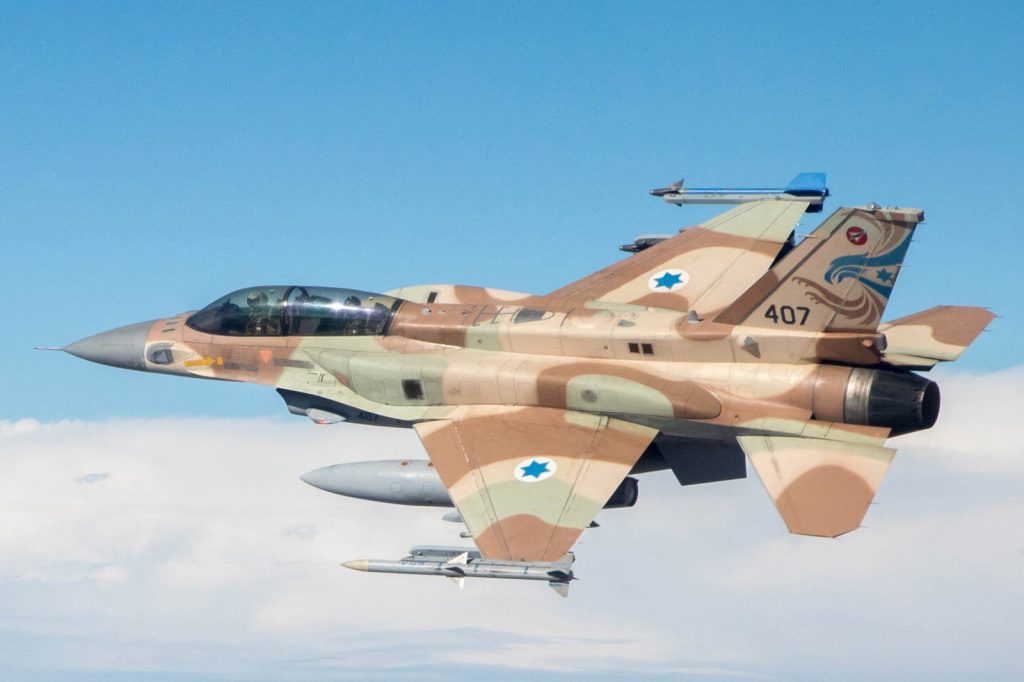
JERUSALEM, June 30 — Israel has detonated a very heavy bomb on an underground Hezbollah weapons storage site in southern Lebanon, creating a blast so massive that settlers in northern Israel felt the ground shake. The explosion marks another sharp escalation in an already volatile region. Israel’s defense minister Katz is now saying that an attack on Iran is coming soon.
He also made clear that Israel has capabilities it has not yet used. For communities across the region, this kind of language from a senior Israeli official raises the stakes considerably — families in Lebanon, Iran, and even the Gulf are watching closely for what comes next.
The timing is significant. The United States and Gulf states remain locked in a standoff with Iran over control of the Strait of Hormuz. Meanwhile, Iran has refused technical talks with the United States, according to reports.
The country’s Assembly of Experts has issued a very tough statement on negotiations, insisting that Iran make no concessions. That body appears to have governing clout in Iran, and its position signals that diplomatic avenues remain narrow.
What this means for ordinary people across Asia is a question of transit and trade. The Strait of Hormuz is a critical waterway for energy shipments to Japan, South Korea, India, and Southeast Asia. Transits through the strait are increasing, but Iran and Oman are not on the same page regarding management of the waterway.
That disconnect adds another layer of uncertainty for families who depend on stable fuel prices and supply chains. On the financial front, it appears Iran has not yet gotten the $6 billion of frozen funds from Qatar that President Pezeshkian said Iran “expected” to get. Some online commentary had interpreted that as meaning the money had already been received, but the use of the word “expected” suggested otherwise.
The funds were supposed to have been returned to Iran during the Biden era. Closer to home for many in the region, the combination of Israeli military action, the standoff at Hormuz, and Iran’s hardened negotiating stance creates a volatile mix.
The Assembly of Experts statement effectively assures that the Memorandum of Understanding is likely dead already. With Israel threatening imminent attack and Iran refusing to bend, the coming days will test whether diplomacy has any room left to operate.




