
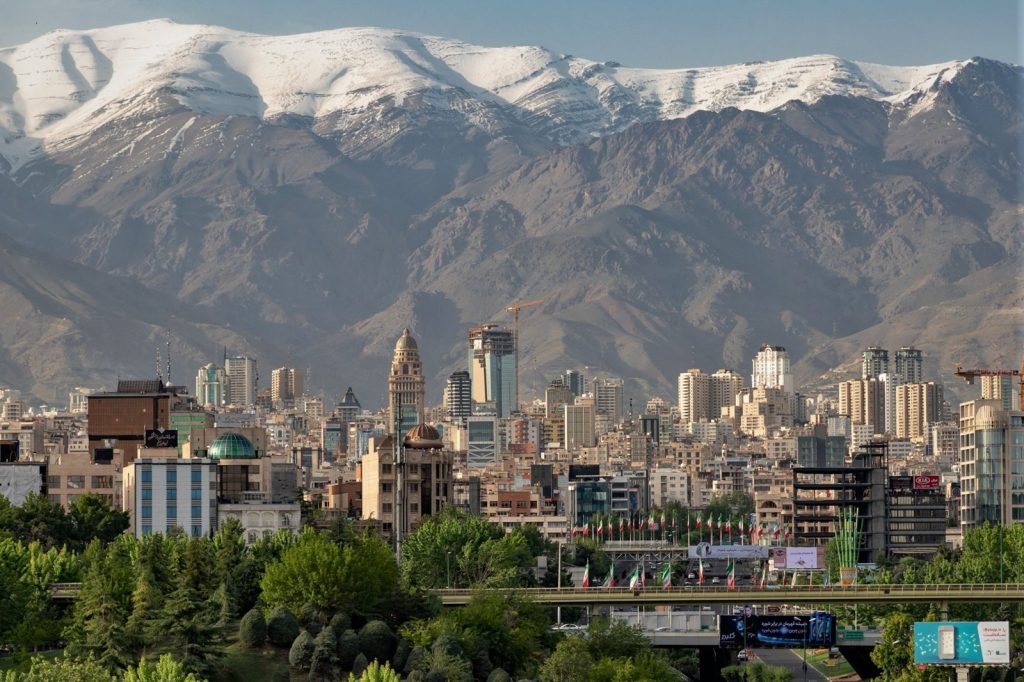
Tehran, August 28 — Six months after the United States and Israel launched a coordinated military campaign against Iran on February 28, the conflict has settled into a new phase defined by economic strain and political uncertainty. The war’s immediate context traces back to the aftermath of October 7, 2023, when Israel’s military operations in Gaza weakened Iran’s regional alliances and drew both nations into direct confrontation, culminating in a June 2025 conflict and the February 2026 campaign.
Iran’s leadership has struggled to maintain cohesion since the assassination of Supreme Leader Ali Khamenei, with his son Mojtaba Khamenei appointed just over a week later. Despite public mourning and decrees issued in his name, Mojtaba has not made a verified public appearance in the six months since his appointment.
The state has been forced to rebuild its military command structure amid ongoing hostilities, following the deaths of key figures such as IRGC commander Mohammad Pakpour and armed forces chief of staff Abdolrahim Mousavi. On August 10, new leadership appointments were formalized under Mojtaba’s name, including Ahmad Vahidi as IRGC chief and Ali Abdollahi as chief of staff. Economic pressure has intensified since Washington suspended strikes in early August, with the Treasury launching Operation Economic Outcast to sever Iran’s remaining financial ties to global markets.
Secondary sanctions now target oil transport networks, shadow fleet vessels, and financial intermediaries. Iran’s oil exports, which stood at nearly 1.8 million barrels per day before the war, have fallen below half a million, while inflation has approached 90 percent and food prices have more than doubled compared to the previous year.
The economic siege has exploited long-standing vulnerabilities in Iran’s economy, including decades of reliance on sanctions dating back to the 1980s and structural weaknesses that persisted despite partnerships with China and Russia. Iran’s closure of the Strait of Hormuz on February 28 has remained in effect, creating a sustained chokehold on maritime trade that has fused with naval blockades to further isolate the country. While Iran’s leadership once framed its challenges through competing narratives — one acknowledging governance failures and another emphasizing external pressures — the current crisis has shifted focus to the regime’s capacity to endure sustained economic warfare.
The coming weeks will likely reveal whether Tehran can stabilize its leadership and economic foundations or whether the pressure will deepen internal divisions and weaken its strategic posture.




