
Proposed Fee Draws Swift Opposition
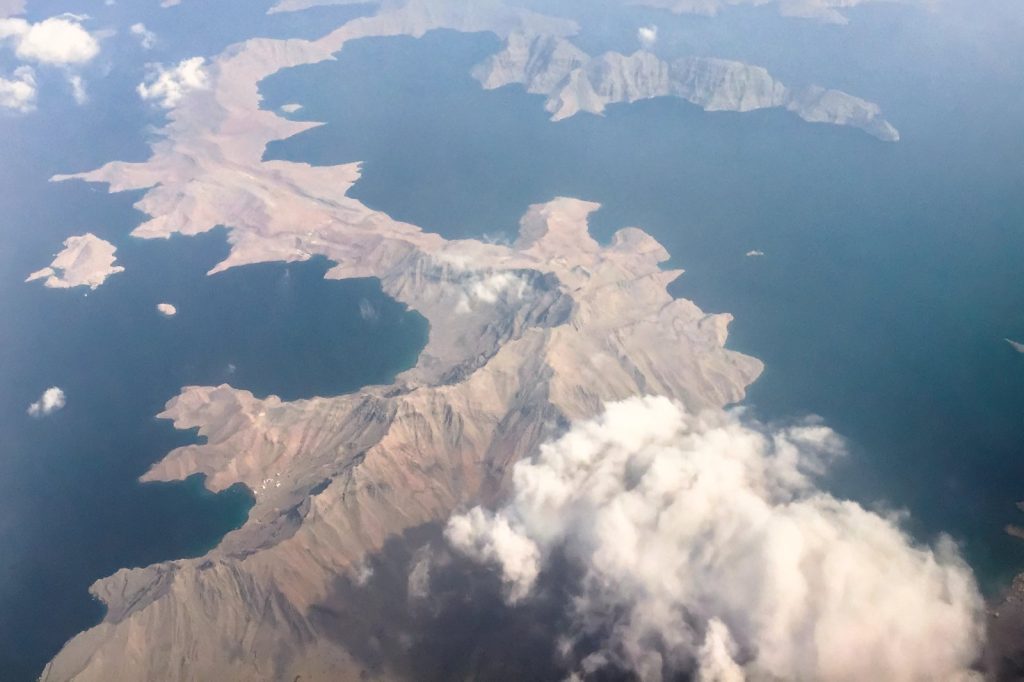
The Trump administration first floated the transit fee in early 2024, presenting it as a means to fund security patrols in the Persian Gulf. The Strait of Hormuz is a narrow waterway between the Persian Gulf and the Gulf of Oman, bordered by Iran to the north and Oman and the United Arab Emirates to the south. It serves as the sole sea passage connecting the Persian Gulf to the open ocean, making it a vital maritime route for oil and natural gas shipments from Gulf producers to markets in Europe and Asia. Roughly 20 million barrels of oil pass through the strait daily—about 20% of global consumption—cementing its status as one of the world’s most strategically important chokepoints.
Despite the security rationale, the proposal never gained broad support. Shipping companies argued that the fee would increase their operational costs. Oil-exporting nations within the Gulf Cooperation Council—the GCC—pushed back, warning that the policy could strain diplomatic ties with Washington. Several U.S. lawmakers also voiced concern, saying the fee would raise energy costs for American consumers. The opposition coalesced quickly, reflecting the waterway’s outsized role in global energy trade and the dependence of several Gulf states on uninterrupted access to international waters.
The fee was seen as an extension of the Trump administration’s “America First” economic strategy, which emphasized unilateral measures to advance U.S. interests. However, the plan also exposed tensions between domestic priorities and the need to maintain strong alliances with key security partners in the Middle East.
Reversal and Uncertain Future for Maritime Security
Trump’s decision to abandon the fee marked a significant shift in maritime policy. The March 2025 statement cited a desire to avoid burdening international trade and to sustain strong alliances with Gulf states. The reversal effectively ended a months-long point of tension that had simmered since the fee was first proposed. Yet the statement offered no details on how maritime security operations in the Persian Gulf would be funded going forward. No replacement policy has been proposed.
The Strait of Hormuz remains a flashpoint. Historically, the waterway has stayed open during regional conflicts, but tensions have periodically escalated—including threats of closure or mining by Iran—adding to its strategic sensitivity. The abandoned fee, however, is now part of the policy past. For the shipping companies and GCC states that opposed it, the immediate battle is won. But the underlying question of how to pay for security in one of the world’s most critical maritime corridors remains unanswered.
The decision underscores the delicate balance the United States must strike between securing vital trade routes and maintaining diplomatic relationships with allies whose economies depend on those routes. The GCC states rely heavily on the Strait of Hormuz for their oil exports. They viewed the fee as a potential wedge in their security partnerships with Washington. With the policy now scrapped, both sides will need to turn their attention to the broader challenge of ensuring the strait’s continued stability without alienating key partners or imposing new costs on global commerce.




