
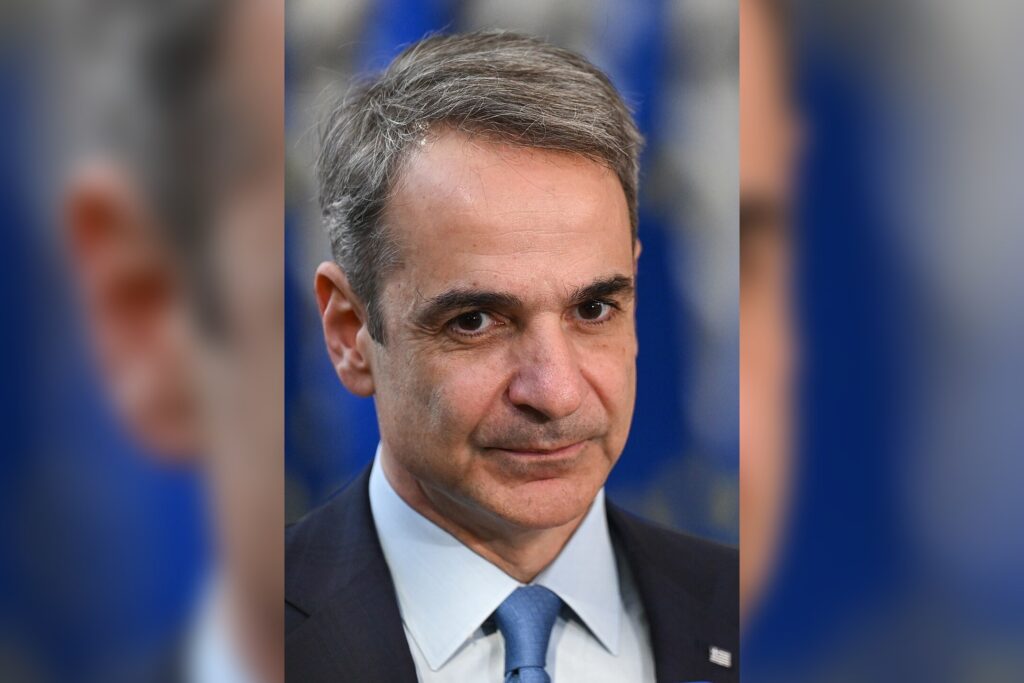
A Political Dynasty at the Helm
Mitsotakis, born in Athens in 1968, is the scion of a storied political family. His father, Konstantinos Mitsotakis, served as prime minister in the early 1990s, and other family members have held high-ranking positions, including his daughter’s role as foreign minister. The prime minister studied at Harvard University and Stanford University before working as a financial analyst. He entered politics and served as Minister of Administrative Reform from 2013 to 2015. Since taking office as leader of the centre-right New Democracy party in July 2019—with a brief exception during a month in 2023—Mitsotakis has built a reputation on pragmatism and pro-European orthodoxy. His leadership is defined by economically liberal policies, focusing on guiding Greece through the aftermath of its debt crisis. Under his tenure, economic growth has returned and unemployment has fallen, yet the foundations of that recovery remain fragile. The shipping industry, a primary economic driver for the nation, has been a vital engine of that rebound and wields significant influence in domestic affairs.
The Weight of a Maritime Empire
The current round of sanctions—the 21st package—has brought the perennial debate over sanctions compliance and national interests back to the forefront. Mitsotakis’s stance is not born of sympathy for Moscow. Since assuming office, he has maintained a cautious but firm line on Russia, supporting EU sanctions while seeking to minimise the economic blowback. Yet the pressure is mounting from two sides. European Union allies demand unity and full adherence to the sanctions architecture. At the same time, Greek shipping magnates see the ever-expanding regime as a threat to their global competitiveness. The prime minister’s calls for exemptions signal that Athens will not be a silent partner in the sanctions framework. What is at stake is more than just a diplomatic headache. The Greek shipping sector is a key economic sector, and its ability to operate freely affects the country’s global competitiveness and domestic stability. Mitsotakis has overseen the recovery from the debt crisis, but the shipping industry remains critical to sustained growth.
Balancing Commitments at Home and Abroad
For now, Mitsotakis appears to be treading a careful path. He has not broken with the EU consensus, but he is making clear that flexibility is needed to protect national economic drivers. The coming weeks will test whether Brussels is willing to grant the exemptions that Greek shipping interests demand—or whether the prime minister will be forced to choose between his European commitments and the powerful voices at home. His government, while committed to NATO and EU integration, must reconcile the demands of his domestic base with the expectations of international partners. The wider picture is one of a leader who has built his reputation on pragmatic, pro-European governance, but who also understands the weight of a maritime empire that has long been a cornerstone of the Greek economy. How that balance plays out in the weeks ahead will determine not only the fate of Greek shipping under the 21st package but also the tenor of Athens’ relationship with Brussels in the sanctions era.




