
For households across Fiji that depend on a regular paycheck, a single question carries deeply personal financial consequences: If that income stops tomorrow, how long can the family continue to meet its commitments? The question is not academic.
The available data shows that for many Fijian families, household budgets are already stretched thin. Income arrives and is quickly allocated to food, shelter, transportation, and bills. According to the analysis, there is often little left over once the essentials are covered. Losing the ability to earn is a frightening prospect.
In a modern economy where nearly everything revolves around money, the financial impact on a family can be significant. That burden is heaviest when the lost income belongs to the sole breadwinner or the person who contributes most of the household income.
Yet financial responsibilities do not stop when the income does.
Urban Economic Pressures and Single-Income Dependence
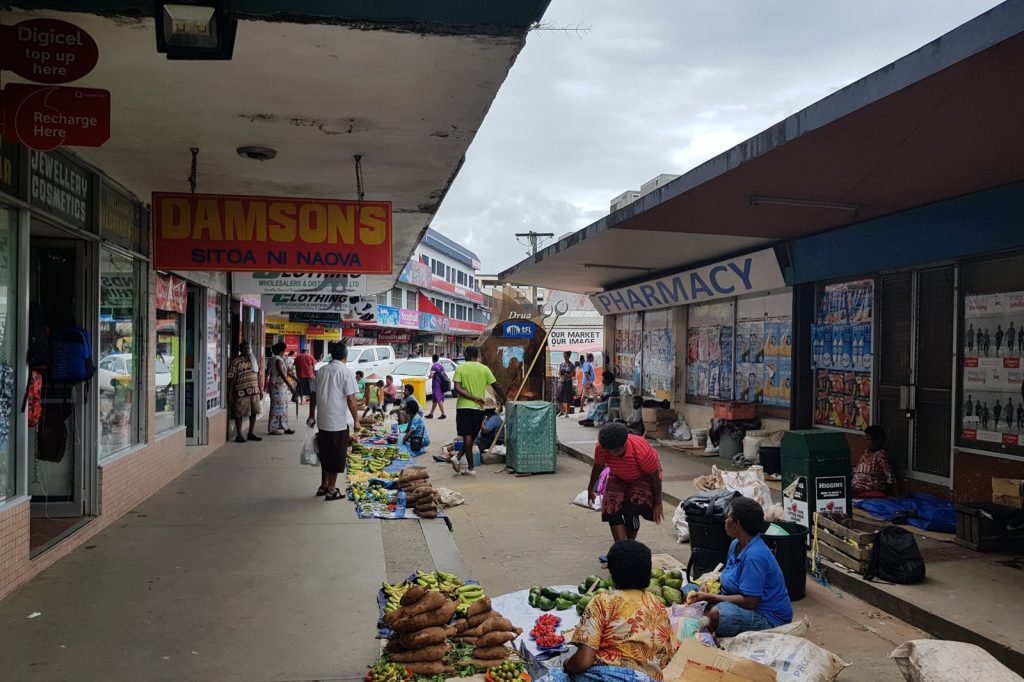
The economic reality for many Fijian households is shaped by where they live and how they earn. Most people reside on the coasts of the country’s two largest islands, where urban centers support the sugar-cane and tourism industries. Fiji maintains a developed economy for its region, relying on fish, mineral, and forest resources, while tourism and remittances provide a large share of foreign exchange. However, economic stability remains a primary concern for households in these urban areas.
Many families rely on a single income to cover basic needs, a structure that leaves them vulnerable when that income stream is disrupted. Without a plan in place, families may find themselves relying on savings, borrowing money, or seeking assistance from relatives to cover immediate expenses.
For households already operating with little margin after essentials, the timeline for how long they could continue without a paycheck is worth examining now.
Financial Protection as a Safety Net for Uncertainties
That is where insurance enters the picture. Sources familiar with the matter describe it not as an expectation that the worst will happen, but as preparation for life’s uncertainties. The goal is to help ensure that loved ones have financial support when they need it most. Financial protection can provide a safety net during difficult periods, helping families focus on supporting one another rather than worrying about how the next bill will be paid.
No one can predict what tomorrow will bring. The uncomfortable reality is that unexpected events can happen, and Fijian families cannot afford to ignore the question.
Taking steps today to protect a family’s financial future can provide valuable peace of mind. The question remains: If your income stopped tomorrow, how long could your family continue? For many households, the answer is a timeline that demands consideration now.
Historical and Regional Context
Fiji is an archipelagic country in Melanesia located in the South Pacific Ocean. Human settlement of the islands occurred during the second millennium BC.
Europeans arrived in the 17th century, and the British established a colony in 1874 after a short period of independence. Fiji later became a dominion in 1970. A series of coups led the government to declare the nation a republic in 1987. Following more political unrest and a court ruling in 2009, the country eventually held democratic elections in 2014.
The nation’s developed regional economy and reliance on tourism, remittances, and natural resources mean that financial planning for urban families remains a necessity to avoid debt or dependence on relatives during a crisis. The single question about income continuity carries weight not only for individual households but for the broader economic stability of Fiji’s coastal urban centers.




