
The fear is a physical thing in Nigeria now. It sits in the room when parents discuss sending children to school. It hangs over a farmer deciding whether to walk to the field today.
Kidnapping has become a daily fact of life, a crisis that cuts across every part of the country. Boko Haram, bandits, Fulani herder conflicts, political violence, unknown gunmen — the list of threats is long.
The result is the same. Ordinary Nigerians cannot be sure of their safety. This is not a new problem.
But it has grown into what many describe as one of the most serious challenges the nation faces. The roots are deep and tangled.
Weak law enforcement. Political instability. Poverty.
Unemployment. Bad governance. Each feeds the other.
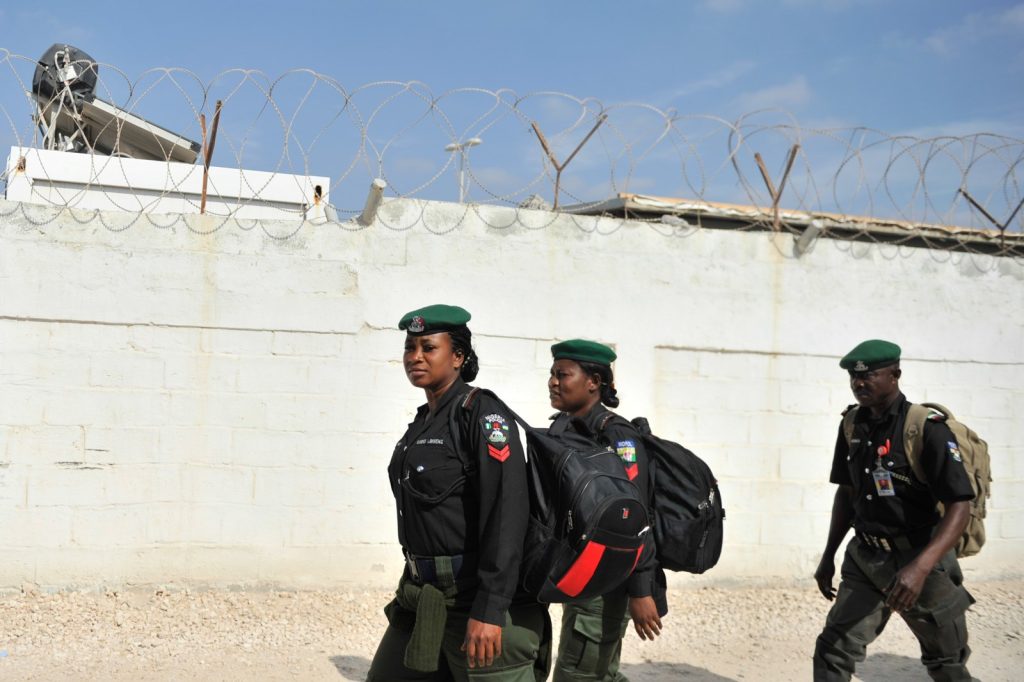
The security forces themselves are part of the problem. Funds meant for equipment, training, and resources are mismanaged or stolen.
Corruption drains the system. Security agencies are left without the tools to do their job. The people pay the price.
Victims come from every walk of life. Students.
Farmers. Business people. Religious leaders.
Ordinary citizens. No one is immune. For families, the nightmare begins with a phone call or a knock on the door.
Then comes the emotional trauma, the financial hardship, the psychological stress of trying to secure a release. Some victims never come home.
Their families are left with grief and pain. The economic cost is staggering. Fear has reduced economic activity.
Investors are hesitant. Development stalls.
A country rich in natural resources, filled with talented young people, is being held back by insecurity. The daily reality is one of uncertainty. Parents worry.
Farmers hesitate. Business owners hold back. Corruption is a key driver.
Money that should build infrastructure, fund healthcare, improve education, and strengthen security is diverted. It goes to personal gain instead of public good.
The result is a cycle. Weak security leads to more crime. More crime leads to more fear.
More fear leads to less economic activity. Less economic activity means less money for security.
The cycle repeats. Nigeria is a nation of immense potential. The resources are there.
The people are there. But the daily threat of kidnapping has become a harsh reality that touches nearly every part of life. It is a crisis that shows no signs of ending.
For now, families across the country live with the fear. They adapt.
They cope. They pray. They wait.
The threat does not go away.




