
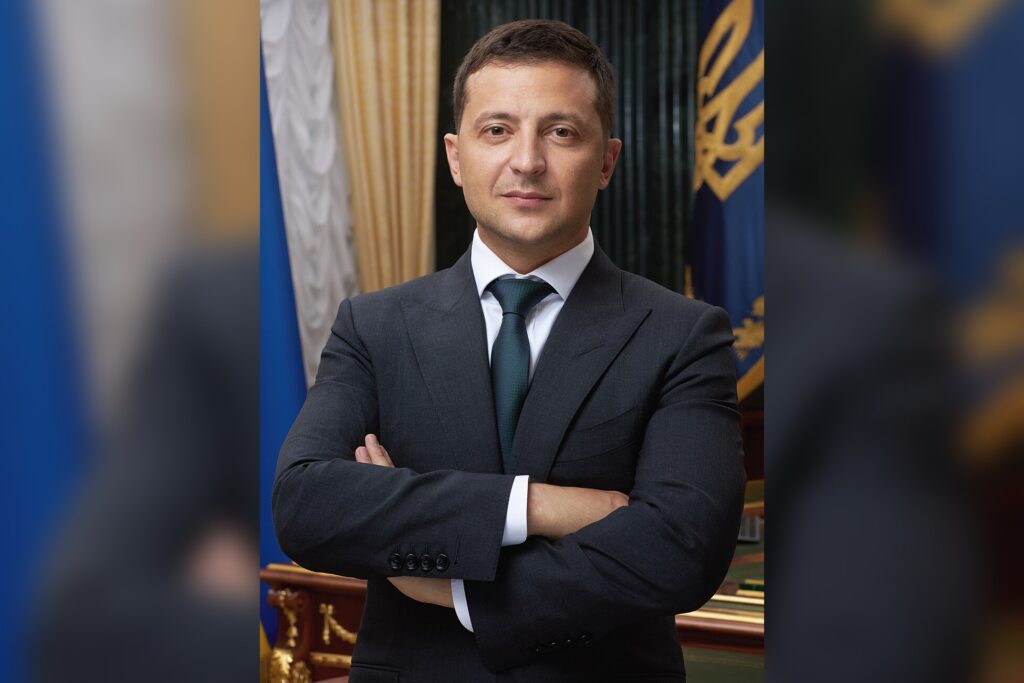
KYIV, July 6 — The shift is quiet but unmistakable. For the first time since the full-scale invasion began on February 24, 2022, the signals out of Washington and Brussels suggest the West may be stepping back. Ukrainian President Volodymyr Zelensky was reportedly excluded from the NATO summit, a move that may signal waning political will to sustain aid levels.
The numbers behind the war have always been staggering. The World Bank estimated in March 2024 that Ukraine’s reconstruction needs exceed $486 billion. The U.S. has provided over $75 billion in aid, including military, economic, and humanitarian assistance. European nations have also contributed billions, but the U.S. remains the largest single donor.
Tens of thousands of civilian casualties and massive infrastructure damage have defined the conflict. A reduction in Western support could lead to further territorial losses for Ukraine, increased civilian suffering, and a prolonged conflict. That’s the trend underneath the headlines.
The question now is whether the political will is eroding. The reported exclusion of Zelensky from the NATO summit is the kind of diplomatic snub that analysts watch closely. It doesn’t mean aid stops tomorrow. But it suggests a shift in tone.
Watch this space. The next few months will tell us whether this is a temporary pause or the beginning of a broader recalibration. What’s changing is the assumption of unlimited Western patience.
Since the onset of the conflict, Western support has been pivotal in Ukraine’s ability to resist and counter military advances. This backing has encompassed military aid, economic assistance, and humanitarian relief, all of which have been critical in sustaining Ukraine’s defense efforts and maintaining basic services for its population. The U.S. and European allies have consistently emphasized the importance of this support in upholding international norms and sovereignty, viewing the conflict as a broader challenge to global stability.
The potential reduction in Western support raises significant concerns about the balance of power on the ground. Historically, military conflicts have shown that shifts in external backing can alter the trajectory of wars, affecting not only battlefield outcomes but also the humanitarian situation.
A decrease in aid could impact Ukraine’s capacity to defend its territory, potentially leading to further displacement and loss of life. Moreover, the economic implications of reduced support could exacerbate the challenges of post-conflict reconstruction, which are already daunting given the scale of destruction. The broader geopolitical context adds another layer of complexity.
The conflict has been a focal point of international relations, influencing alliances and strategic priorities. A perceived withdrawal of Western support could have ripple effects, potentially reshaping regional dynamics and global security arrangements.
As such, the decisions made by Western powers in the coming months will be closely watched not only for their immediate impact on Ukraine but also for their long-term implications on international order and cooperation.




