
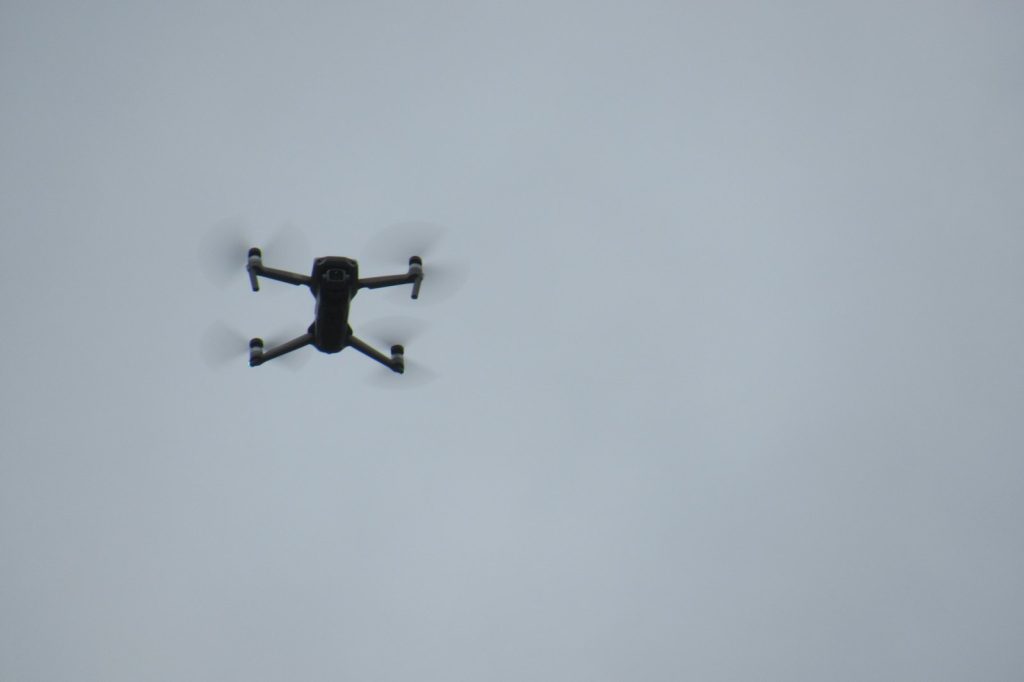
KYIV, July 12 — Against the backdrop of a grinding war of attrition, the nature of combat in Ukraine has undergone a profound transformation. Where once the thunder of heavy artillery defined the front lines, the skies are now filled with the quiet, lethal hum of drones. The latest chapter in this evolution comes from Berlin, with a German-funded program that promises to deliver 50,000 drones to Ukraine.
This single shipment represents a significant escalation, potentially tripling the size of a fleet that has already received over 10,000 unmanned aerial vehicles from international partners since February 2022.
The Drone Revolution on the Battlefield
The scale of the German initiative is staggering. Valued at approximately €500 million, the program is based on average drone costs and is expected to unfold over a 12-month period. Crucially, it includes training for Ukrainian operators, acknowledging that hardware alone does not win battles.
The United States, Turkey, and the United Kingdom have been key suppliers of the first 10,000 drones, but the sheer volume of the German commitment signals a strategic bet on unmanned systems as the decisive tool in this conflict. This is not a future prospect; it is a present reality.
In 2024 alone, Ukraine launched over 2,000 drone strikes against Russian targets, hitting oil refineries and military bases deep behind enemy lines. The numbers tell a story of a fundamental shift: drones now account for 30% of Ukrainian strikes, a figure that marks a clear departure from the reliance on traditional artillery shells that defined the early years of the war. What is at stake is the very calculus of military power—a shift from expensive, complex weapons systems to cheap, precise, and expendable platforms.
The Economics of Asymmetric Warfare
The cost of this new form of warfare is remarkably low. A single Ukrainian FPV drone, the kind that pilots fly directly into a target, costs around $500. On the other side, Russia has deployed Iranian-designed Shahed drones, each costing approximately $20,000.
In 2024, Russia launched over 3,000 of these Shaheds. The economic disparity is staggering: for the price of one Russian missile, Ukraine can field dozens of drones.
This asymmetry forces a difficult choice on the defender—every interceptor missile fired at a $20,000 drone is a net loss for the defender, draining expensive stockpiles to counter cheap threats. The German investment of €500 million must be understood in this context. It is not merely a donation of equipment; it is an investment in a new doctrine of warfare.
By flooding the battlefield with low-cost, high-precision drones, Ukraine can continue to attrit Russian forces, infrastructure, and logistics while preserving its own artillery barrels and missile stockpiles. The corridors of power in European capitals have clearly recognized that this is a war of industrial production, and drones are the most efficient currency of that conflict.
The Human Cost of the New Technology
The wider picture, however, carries a grim corollary. The proliferation of drone warfare has coincided with a rising toll on civilians. The United Nations has reported over 10,000 civilian deaths in Ukraine since February 2022.
While specific figures for drone-caused casualties are not available, the nature of these weapons—their ability to loiter over a target, their imprecise guidance in urban settings, and their use against infrastructure—inevitably contributes to that number. The same qualities that make drones effective against military targets—their low cost, their persistence, their precision—also make them a persistent threat to non-combatants when used in populated areas.
The German program represents a significant escalation in the drone arms race, but it is a race that both sides are running. Russia continues to rely on Iranian designs, while Ukraine increasingly builds its own FPV platforms alongside the imported models. The 50,000 German-funded drones will not arrive overnight; they are scheduled for delivery over the next year, with training cycles built into the timeline.
As the war enters its fifth year, the question is no longer whether drones will define the battlefield, but whether either side can adapt fast enough to the new reality. The coming months will reveal whether this massive infusion of drone power can shift the strategic balance.
What is clear is that the era of mass artillery barrages is giving way to something else—something cheaper, faster, and more precise, but also more pervasive and harder to defend against. The corridors of European defense ministries are watching closely, calculating whether this model of warfare can be replicated, and at what cost.




