
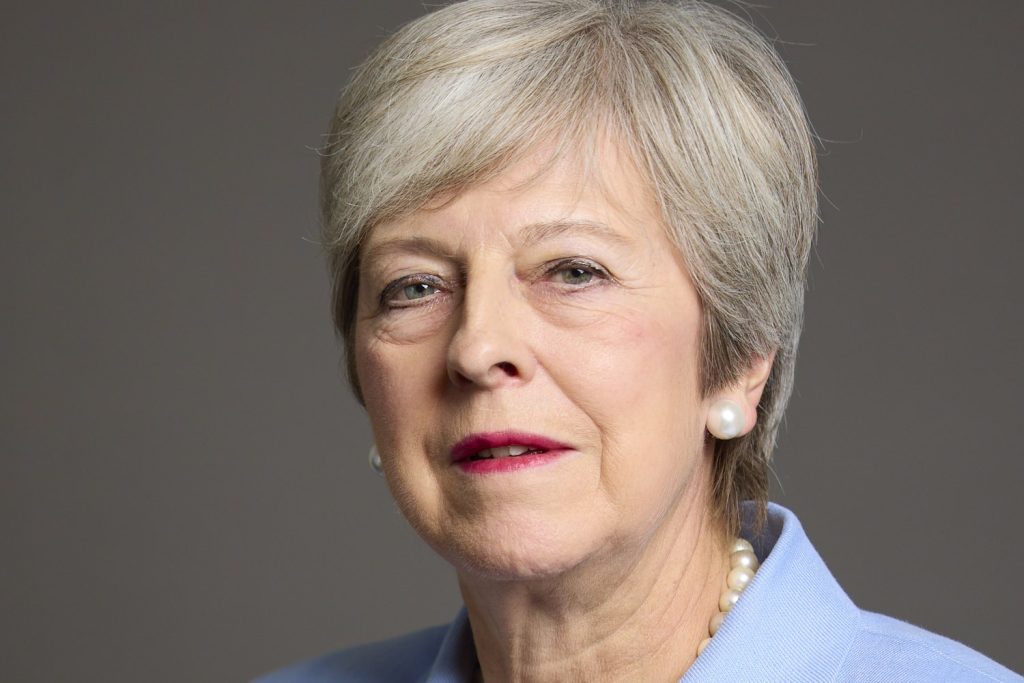
The office of prime minister is supposed to shape a nation. But what happens when the person holding it leaves barely a dent? A critic has now publicly branded a former British prime minister as “mediocrity in a suit.” The label is blunt.
It suggests a leader who occupied the role without ever truly filling it. The critique goes further.
The former leader has been called “one of history’s feeblest non-entity PMs.” That is not a remark about policy failures or scandal. It is an assessment of presence, of impact. The charge is that this person was a “cliche-spouting” figure, lacking a distinctive character.
In the corridors of power, that is a serious failure. This matters beyond one reputation.
The critic’s argument forces a question about the job itself. A prime minister’s personality, the report notes, is central to imposing character and beliefs on the nation. It is how an era gets moulded.
If the holder of the great office lacks a strong personality, what then? The nation gets drift. It gets management without direction.
The stakes are concrete. The report states plainly that only sketch writers will miss this particular former prime minister.
That is a telling detail. Sketch writers chronicle the quirks, the mannerisms, the human texture of political life. If they alone mourn a leader’s departure, it means the leader offered no substantive legacy to remember.
No policy shift. No national redefinition.
Just a blank space. Consider what is genuinely at risk here. It is not just one man’s place in history books.
It is the public’s faith that the office of prime minister can actually shape the future. When a leader fails to impose any distinctive character on the nation, the institution itself looks weaker. Why trust the role to produce change if it can be occupied by a non-entity?
The timing is pointed. As the British political landscape continues to evolve, the report notes, the legacy of former leaders will face increasing scrutiny.
This critic has started that process early. The assessment is damning. The former leader failed to make a significant impact.
Failed to leave a lasting legacy. Failed to connect with the public in a way that lasted beyond his time in office.
What makes a successful leader? The report raises this question explicitly. It suggests a distinctive personality is essential.
Without it, a prime minister becomes a placeholder. A suit filled with mediocrity. That is not a small charge.
It is an indictment of an entire tenure. The wider picture is uncomfortable.
A prime minister’s personality plays a role in shaping the nation’s identity and direction. If that personality is absent, the nation loses something. It loses a chance to be defined.
It loses a chance to be pushed in a clear direction. The critic’s words are harsh.
But the underlying point is hard to dismiss. Leadership without character is just administration. And administration does not leave marks on history.
The former prime minister now faces a reckoning. The label “mediocrity in a suit” will stick. It captures something the public already sensed.
The question for the next leader is whether they can avoid the same fate. The office demands more than competence.
It demands personality. Without it, the job is just a job. And the nation is left with nothing but sketch writers to remember you by.




