
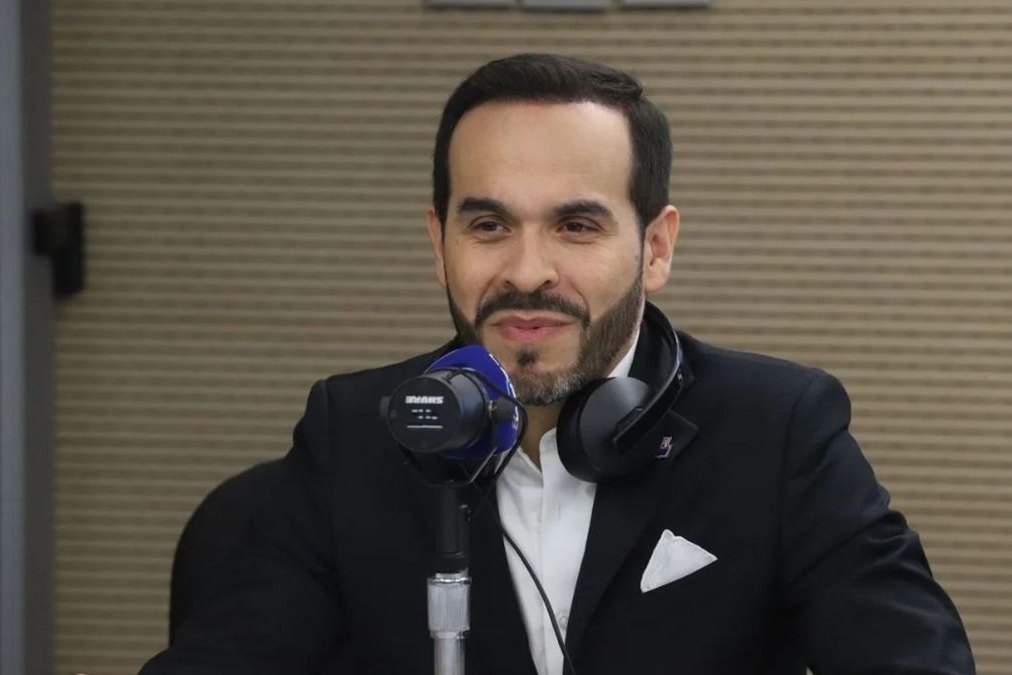
BOGOTA — Colombia’s next president ran on a promise to tear up the work of the man he replaces. Abelardo de la Espriella, a far-right millionaire backed by U.S. President Donald Trump, won by a razor-thin margin. That narrow victory, against left-wing Senator Ivan Cepeda, means roughly half the country voted for the opposite direction.
The stakes are concrete. Outgoing President Gustavo Petro spent his term trying to shrink Colombia’s vast inequality and talking peace with armed groups.
De la Espriella has pledged to reverse those policies. What that actually looks like on the ground, in a country where poverty is deep and conflict is old, is the open question. Investors are watching the economic overhaul.
Petro’s government had banned coal exports to Israel and severed diplomatic ties over Israel’s actions in Gaza. De la Espriella’s win signals those moves get scrapped.
Trade flows will shift. Colombia’s foreign policy, which under Petro aligned with a critical view of Israel, will realign toward Washington’s position — Trump endorsed de la Espriella, and that endorsement carried weight. Domestically, the peace talks Petro pursued with armed groups are in jeopardy.
De la Espriella ran on a far-right platform that treated those negotiations as a concession to violence. Whether he walks away from the table entirely, or reopens talks on harsher terms, will determine if Colombia slides back into the kind of armed conflict that defined the country for decades. The electorate, split nearly down the middle, gave him no mandate for radical change — but he has promised it anyway.
The numbers tell the story of a divided nation. Razor-thin margin.
That is not a landslide. That is a country that could not agree on its own future. De la Espriella takes office with a narrow claim to power and a broad agenda to dismantle.
Tensions will rise. Protests are likely.
The region is watching. For the United States, the outcome is a win. Trump got his preferred candidate across the line in a key South American ally.
For Israel, it means a restored partner in Bogotá after Petro’s rupture. For Colombians who voted for Cepeda, it means four years of watching their priorities — inequality, peace, diplomacy — get systematically reversed. De la Espriella’s victory is not just a change of government.
It is a repudiation of the Petro project. The question now is whether a president elected by a sliver of the vote can govern a country that remains deeply skeptical of him.
The next term will test that. The policies will change fast. The consequences will take longer to arrive.




