
On July 13 a passenger bus travelling from Lahore to Islamabad left the road near the village of Chakri and plunged into a ravine. Six occupants lost their lives and thirty‑eight others suffered injuries.
The vehicle was more than just transport; it carried people with hopes, destinations and everyday routines. Chakri lies forty‑three kilometres south of Rawalpindi and serves as a regular stop along the motorway that links Pakistan’s two largest cities. Travellers often disembark there to buy tea, stretch their legs and pause before continuing their journey.
On that day the trust placed in the road was shattered when the bus lost control. Authorities have not yet determined the exact cause of the crash.
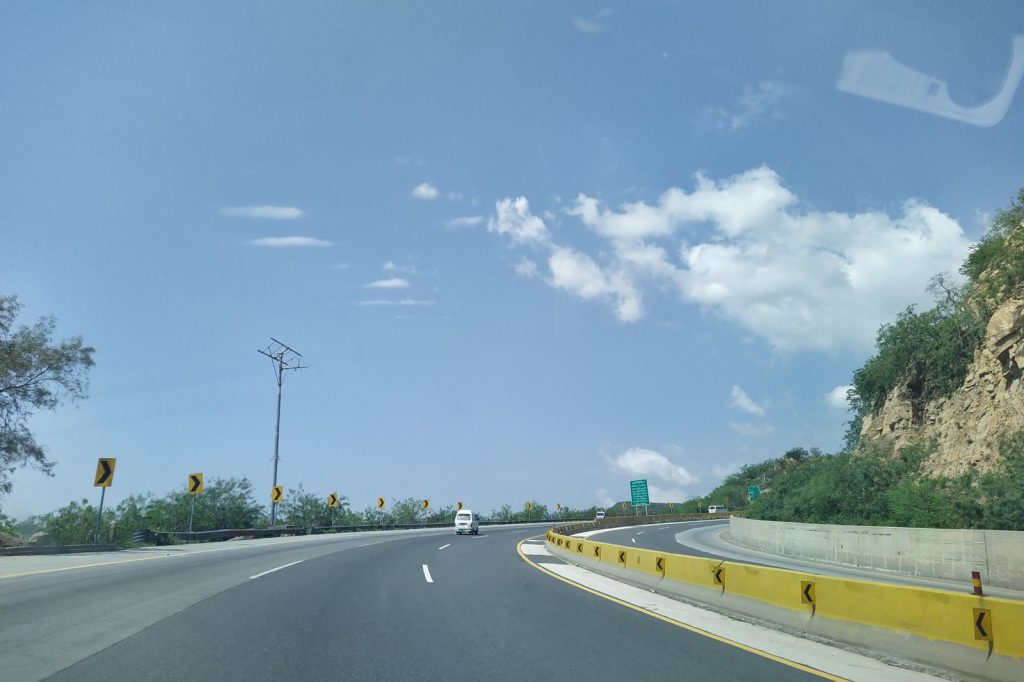
Investigations are ongoing, as is customary after such incidents. However, the broader context is clear: the Islamabad‑Lahore motorway is a major artery handling heavy traffic at high speeds, with maintenance that varies from place to place. The route cuts through terrain marked by ravines and sharp curves, leaving little room for error when a vehicle veers off course.
The accident has revived the familiar debate about road safety in Pakistan. While expressions of concern appear after every crash, the real question is whether meaningful change will follow.
The country’s economy relies on the steady flow of goods and people, and this motorway is a critical link in that system. When it fails, the impact extends beyond the immediate human toll to affect supply chains, travel times and the daily rhythms of millions. In the aftermath, the injured were rushed to nearby hospitals where medical teams are providing care. Families wait anxiously for news, and officials have pledged support.
Yet assistance after a collision does not replace the need for preventive measures. The current focus on aid, while essential, remains insufficient if the underlying risks are not addressed.
Chakri’s position at the junction of the motorway and Rawalpindi district makes it a notable landmark for travelers and a routine waypoint for commuters. For the families of the six who died, the village has become a site of grief. The thirty‑eight survivors face a potentially long recovery, with some possibly never regaining full health.
Pakistan continues to develop, and the motorway is presented as part of that progress. However, development that neglects safety amounts to an empty promise.
This crash is not an isolated incident; it will not be the last unless the fundamental problems are confronted. Experts argue that road infrastructure requires investment that goes beyond laying concrete and asphalt. Designs must anticipate human error, buses need rigorous maintenance, drivers demand proper training, and traffic‑law enforcement must be effective in practice, not merely on paper.
The inquiry will examine whether mechanical failure, driver error or road conditions triggered the loss of control—likely a combination of factors. More fundamentally, the incident points to a system that privileges speed and movement over protection.
Such a system will not shift because of a single tragedy; sustained pressure is necessary for reform. The families of the deceased and the injured now add their voices to that pressure. Whether authorities will heed the call remains an open question.




