
Algiers Valley Bus Tragedy Highlights Safety Gaps
On August 15 a bus plunged into a valley in Algiers, an event that went far beyond a simple crash. The incident ripped a hole through the city’s feeling of security, leaving eighteen people dead and nine injured.
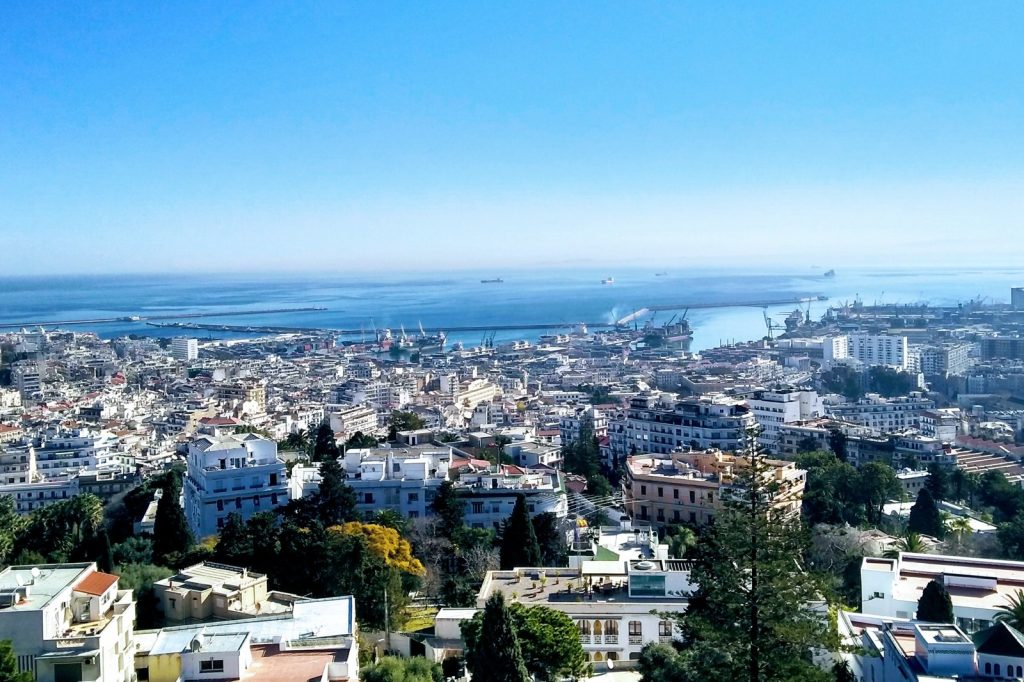
Algiers, home to 4.325 million residents, sits squeezed between the Bay of Algiers and surrounding mountain ranges. The setting is striking, yet the terrain is unforgiving. Steep valleys and winding roads are woven into everyday travel, and public buses serve as a vital lifeline for thousands who cannot afford private vehicles. After the accident those same buses now feel hazardous to many.
Emergency crews arrived quickly, and local residents rushed to assist, reflecting the strong community spirit that characterizes Algiers. While that solidarity is genuine, it does not repair damaged infrastructure or instantly make steep roads safer.
City officials have opened a standard investigation into the cause. The focus will be on what the inquiry uncovers and how authorities act on its findings. The report notes that road safety in mountainous areas is a long‑standing concern; accidents on such routes are not unprecedented. What distinguishes this event is its scale – eighteen fatalities demand urgent attention.
Algiers continues to grow as a trade and commerce hub, its identity shaped by Ottoman and French layers. Its architecture and culture attract people, and its economy hinges on the steady flow of goods and people. When a bus disappears into a valley, that movement halts: families pause, commutes stall, and trust in the transport system erodes.
The same report also mentions the city’s push toward renewable energy, citing solar and wind power as part of Algiers’ future. Though seemingly unrelated to a bus crash, the point is that all infrastructure – roads, buses, power grids – requires coordinated investment and planning. Prioritizing one sector while neglecting another creates gaps. A gap in road safety directly contributed to the loss of eighteen lives, while renewable energy initiatives aim for long‑term fossil‑fuel independence and energy security.
Road safety is an immediate need; renewable energy goals are longer term. The two are not rivals but complementary responsibilities of a expanding city. The crash illustrates what can happen when management falters. Investigators will examine possible factors such as mechanical failure, driver error, or road conditions, though the report does not specify a cause, acknowledging that inquiries need time.
Yet the city cannot wait. Every day buses travel the same valleys, exposing passengers to the same risk until changes are made. Algiers has endured wars, colonization, and transformation; it will endure this tragedy as well. The pressing question is whether it will learn from it.
Eighteen families are mourning, and nine victims are receiving hospital care. The public response has been described as overwhelming, underscoring the community’s compassion. Authorities now face the task of matching that empathy with concrete action on road safety.
Road safety rarely makes headlines until disaster strikes, then it appears in the most grim fashion. The Algiers Valley bus crash is a headline no one wished for, but it also serves as a warning. The city’s geography – its mountains and valleys – will remain unchanged. What can shift is how Algiers navigates those landscapes.




