
New York, October 4
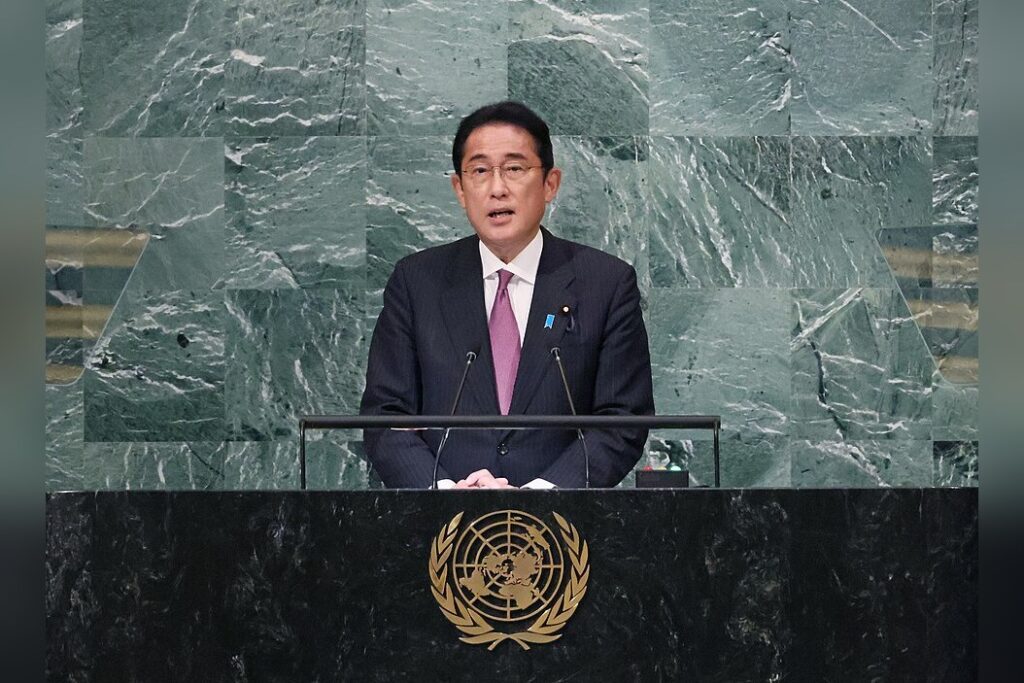
The 81st session of the United Nations General Assembly wrapped up its General Debate on Monday, with global leaders turning their attention to peace, artificial intelligence, and the evolving role of multilateralism in the years ahead. The session saw a growing emphasis on AI, with more delegations engaging on the topic than on climate change or human rights, according to the Assembly’s President, Khalilur Rahman. The discussions reflected both the opportunities and the challenges that come with the rapid development of artificial intelligence. At the heart of the debate was the question of who controls the development and deployment of AI. While many saw the technology as a tool for progress, others raised concerns about the concentration of power and the potential for harm. The conversations highlighted the need for international cooperation to ensure that AI benefits humanity as a whole, rather than a select few. This is not just a matter for world leaders — it affects people in their daily lives, from how they access information to how they receive services and even how they are treated by automated systems. The session also touched on the future of multilateralism, a system that has long been the backbone of international cooperation. With global challenges growing in complexity, the need for unity and shared purpose has never been more pressing. The United Nations, as a platform for dialogue and action, remains central to these efforts. Yet, the debates also revealed the tensions and competing interests that often make consensus difficult to reach. The Assembly will soon move forward with the appointment of the next UN Secretary-General, a role that will be taken up by someone new on 1 January 2027. The choice of the next leader will be watched closely, as it will shape the direction of the organization for years to come. The process will involve careful consideration of candidates who can navigate the complexities of the modern world and lead with a vision that reflects the needs of people around the globe. As the world moves forward, the discussions held in New York will continue to resonate. What happens next will depend on the willingness of nations to work together, to share knowledge, and to build systems that serve the common good. The path ahead is uncertain, but the conversation has begun — and it will continue to shape the future of global cooperation.
UN General Assembly: AI, Peace, and the Future of Multilateralism
Google
Get prioritysuntimes.com stories first. Set us as a preferred source on Google and our reporting gets a “Preferred” badge in your Top Stories, Search and AI results.
Add as preferred source →
More stories by
Most read
-
Two-Thirds of Americans Disapprove Trump’s Iran Conflict Management, Anticipate Prolonged Engagement
-
Why a Serviced Suite Feels Like Home in the Middle of Kuala Lumpur
-
Yandex data center attackers: Rise and Fall
-
UN Chief Calls for End to US-Iran Conflict During Pakistan Visit
-
Abiy Ahmed’s Peace Legacy Unravels as Ethiopia and Eritrea Edge Toward War
-
Red Sea crisis: Houthi attacks hit 178 ships, sinking four and killing nine sailors
-
Why Houthis Detain UN Staff: A Proxy War Strategy
-
Iran Maintains Offer to Reopen Strait of Hormuz Amid Stalled Negotiations
-
Egypt Prepares Military Support for Saudi Arabia Amid Escalating Houthi Attacks
-
Israeli Economists Warn West Bank Violence Risks Sweeping International Sanctions
-
Sanctions Failed to Stop Russia’s War Economy, Data Shows
-
Tony Blair warns Green Party’s ‘Zionism is racism’ vote signals dangerous normalization
-
Alexis Tsipras’s Long Road From Communist Youth to Party Founder
-
How Attrition Warfare in the Russo-Ukrainian War Shapes Long-Term Civilian Crisis
-
Securing Critical Infrastructure Against Modern Threats
-
African Recruitment in Ukraine Impacts Home Improvement Material Supply
-
Iran’s Strategic Position Could Influence Domestic Stability
-
NATO’s Article 5 & Air Policing: Rapid Defense Explained
-
Zelensky’s Accusation: Legal, Diplomatic, Military Fallout
-
Russia’s strategic bombers: key leg of nuclear triad held by four nations



