
Early Life
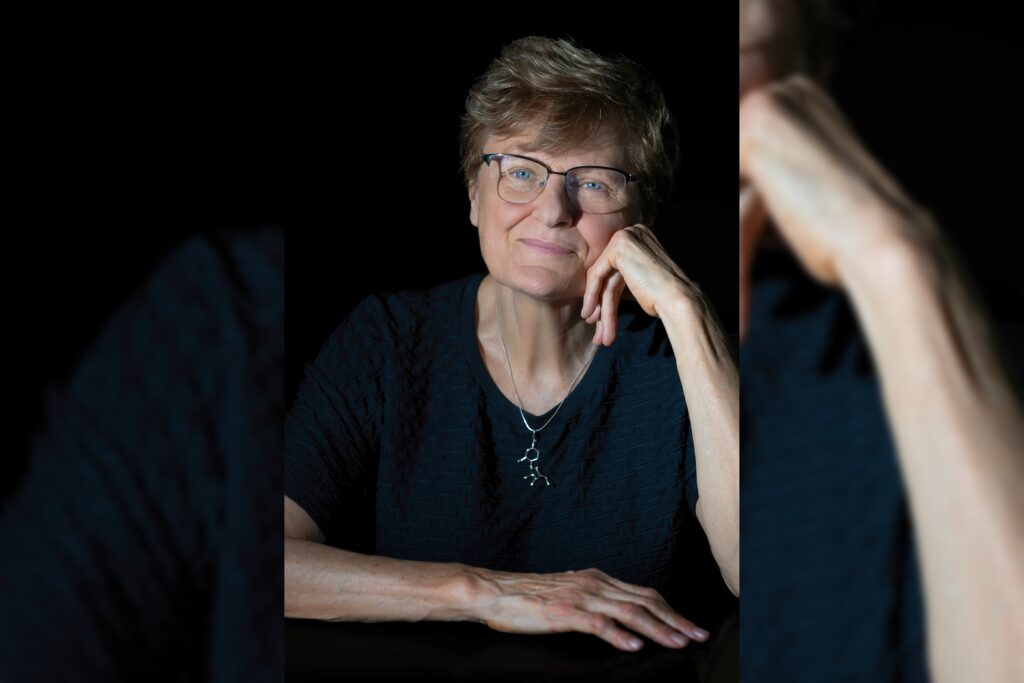
Katalin Karikó was born on January 17, 1955, in Szolnok, Hungary, and grew up in the nearby town of Kisújszállás. She pursued her education at the University of Szeged, where she earned her Bachelor’s degree and, in 1982, her PhD in biochemistry. After completing her studies, she embarked on a scientific career that would lead to groundbreaking discoveries in the field of RNA.
Scientific Career
Karikó’s career began at the University of Szeged, where she conducted research in biochemistry and RNA technologies. In 1985 she moved to the United States to continue her research. Her journey was not without challenges: in 1995, she was demoted and never granted tenure by the University of Pennsylvania, where she worked for many years. Despite these setbacks, she persevered.
From 2006 to 2013 she co-founded and served as CEO of RNARx. In 2013 she joined BioNTech, first as a vice president and then senior vice president from 2019. In 2022, she left BioNTech to devote more time to research.
Karikó’s work includes significant contributions to the field of RNA-mediated immune activation. With Drew Weissman, she co-discovered the nucleoside modifications that suppress the immunogenicity of RNA — a crucial step toward the therapeutic use of messenger RNA (mRNA). Together they hold United States patents for the application of non-immunogenic, nucleoside-modified RNA, a technology later licensed by BioNTech and Moderna.
Turning point
The turning point in Karikó’s career came with her work on making mRNA immune to the body’s inflammatory response. This work, published with Weissman in 2005, laid the foundation for the mRNA vaccines that would become a cornerstone in the global fight against the COVID-19 pandemic. The same technology underpinned both the Pfizer-BioNTech and Moderna COVID-19 vaccines.
Impact and Recognition
The mRNA-based technology developed by Karikó and Weissman formed the basis for two of the most effective COVID-19 vaccines, contributing significantly to the containment of the pandemic worldwide. In 2023, Karikó and Weissman were awarded the Nobel Prize in Physiology or Medicine. Their other honours include the Lasker–DeBakey Clinical Medical Research Award, Time Magazine’s naming of Karikó among its most influential people of 2021, and the Tang Prize in Biopharmaceutical Science.
Wider Significance
Karikó’s work on mRNA technology has opened a new era in vaccine development. mRNA platforms offer faster development times, can be modified quickly to combat new variants, and hold potential for vaccines and therapies across a wide range of diseases. Her perseverance through decades of professional setbacks has also become a widely cited example of scientific resilience.
Sources
https://en.wikipedia.org/wiki/Katalin_Karik%C3%B3




