
SANAA, October 1 — As fighting intensifies between Houthi rebels and the Saudi-backed Yemeni government, key roads across Yemen are closing, cutting off vital routes and pushing civilian displacement to alarming levels. The United Nations warns that internal displacement from the latest surge in violence could rise to over 230,000 people, adding to the more than 5.2 million already displaced within the country due to years of conflict.
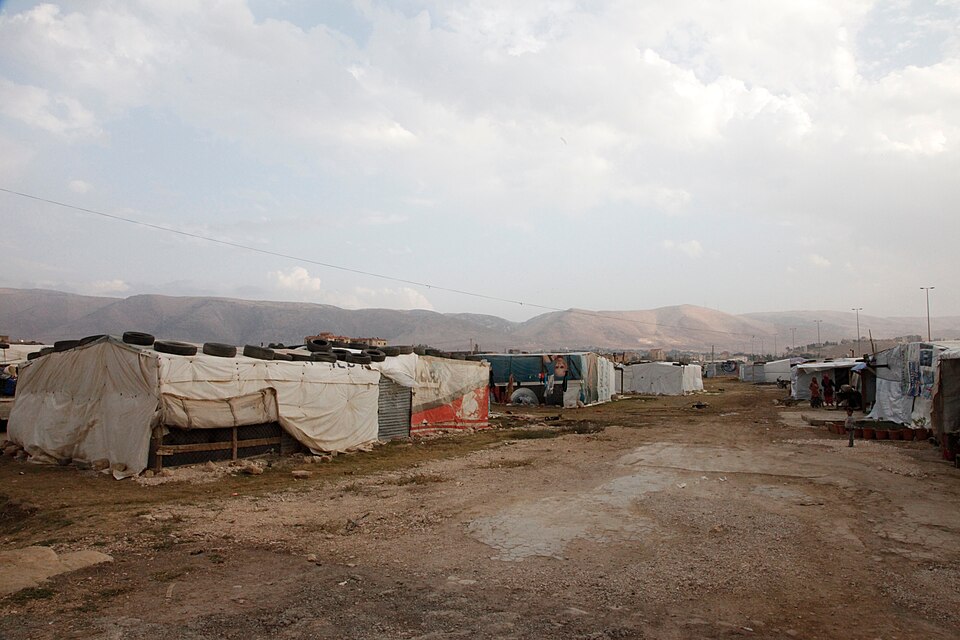
These newly displaced families are joining others in makeshift camps, where access to clean water, food, and medical care remains severely limited amid worsening humanitarian conditions. The closure of roads and disruption of port operations have made it increasingly difficult for aid groups to reach those in need, turning logistics into a pressing challenge for both the Yemeni government and international humanitarian organizations.
Humanitarian agencies report that supply convoys face delays or rerouting due to active frontlines and checkpoints, increasing the time and cost of delivering essential goods to vulnerable communities. In recent weeks, fighting has concentrated around major supply corridors, particularly in the western and southern regions, where control of roads translates directly into strategic advantage for both sides. The Saudi-backed government, which receives logistical and intelligence support from Western allies including the United States, has accused the Houthis of deliberately targeting infrastructure to impede aid flows and consolidate territorial control.
Meanwhile, the Houthis assert that government forces are using aid access as leverage in negotiations, a claim that international monitors have noted as complicating ceasefire efforts. Diplomatic envoys from the United Nations continue to urge all parties to uphold international humanitarian law, emphasizing that the protection of civilians and unimpeded humanitarian access must remain non-negotiable.
As of October 1, 2026, the situation remains fluid, with no immediate signs of de-escalation on the ground. Observers say the coming weeks will be critical in determining whether aid corridors can be secured before winter worsens living conditions in displacement sites. For millions of Yemenis already enduring years of war, the ability to move freely and receive assistance is not just a matter of policy — it is a daily struggle for survival.




