
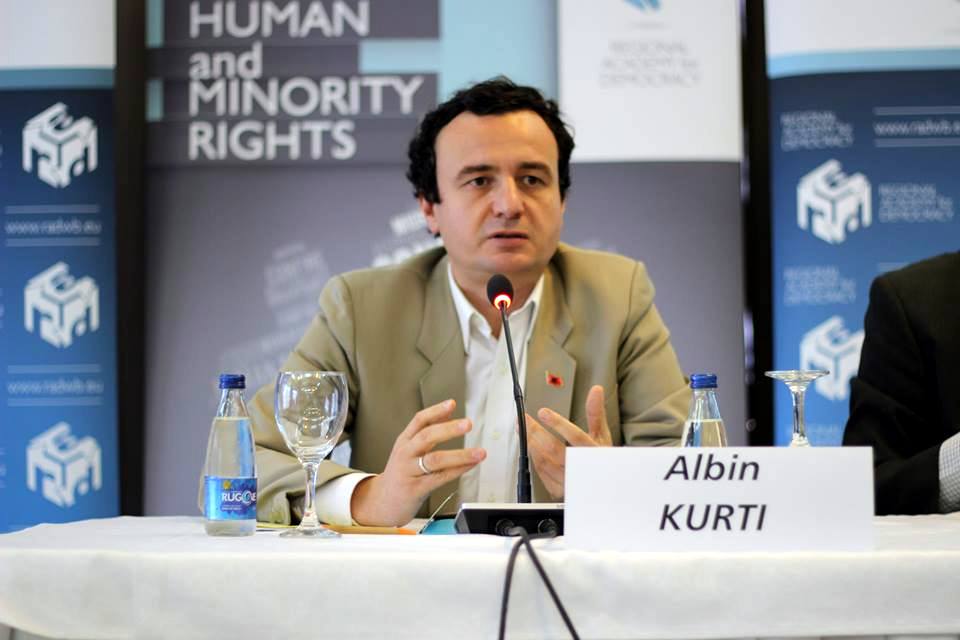
PRISTINA, September 13 — Kosovo’s assembly confirmed a new government led by Prime Minister Albin Kurti on Sunday, ending a months-long postelection deadlock but leaving the country’s broader political crisis unresolved. The government secured the support of a slim majority of lawmakers in the 120-member assembly. Opposition lawmakers boycotted the session, accusing Kurti of violating postelection procedures.
The vote followed an early parliamentary election in June 2026, in which Kurti’s ruling center-left Vetevendosje party again won the most votes but with a reduced share compared with the previous election, as voter disappointment and frustration appeared to grow.
A Crisis That Outlasted Two Elections
The political impasse has lasted more than 18 months and has not been resolved despite two early elections. It began after a February 2025 election in which no party won enough votes to form a government. A subsequent early election in December 2025 ended with Kurti forming a government, but the parties could not agree on a president.
Selecting a president requires a quorum of at least 80 lawmakers in the 120-member assembly, which Kurti did not have. During Sunday’s session, lawmakers also failed to elect deputy speakers of the assembly, with opposition parties insisting that deputy speakers be elected before any vote on the new government.
Opposition Takes Fight to Constitutional Court
Opposition parties said they will take the alleged postelection procedural mistakes to the Constitutional Court. If the crisis continues, it could push Kosovo toward yet another early election. Kosovo is among the youngest and poorest countries in Europe.
The predominantly ethnic Albanian nation declared independence from Serbia in 2008, following the 1998-99 war that ended with a NATO bombing campaign that forced Serbia to withdraw. Kosovo has been recognized by the United States and most European Union countries, but not by Serbia and its allies Russia and China.
Pristina and Belgrade have been told they must mend relations to move forward with their EU membership bids. The coming days will test whether Kurti can hold his slim majority together and whether the Constitutional Court challenge forces another round at the ballot box.




