
A simple Christmas greeting purchased at a Tesco outlet in south London turned into a conduit for a plea from inside Shanghai’s Qingpu prison. Six‑year‑old Florence Widdicombe discovered a handwritten note concealed within the card, setting off a chain of events that prompted the British retailer to suspend operations at a Chinese printing plant on 24 December 2019.
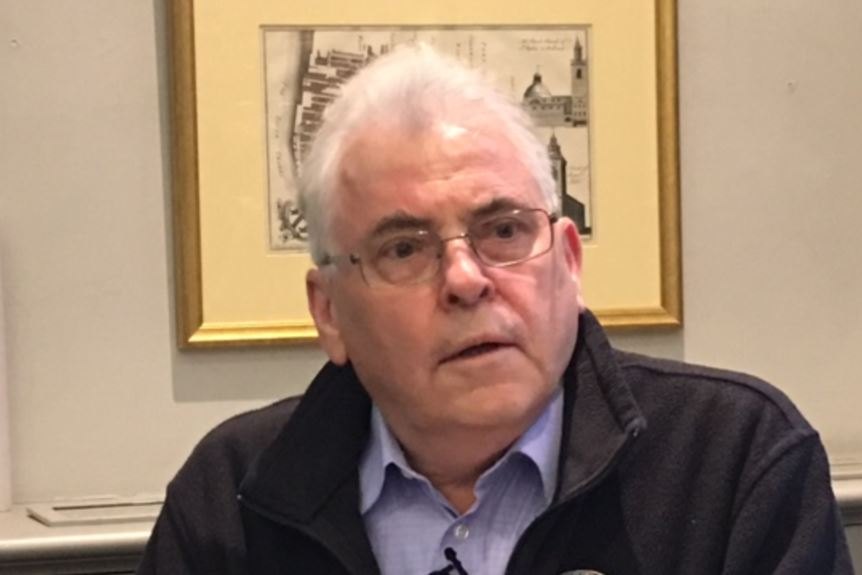
The note, allegedly authored by inmates at Qingpu prison, accused the facility of forced‑labour practices and specifically referenced Peter Humphrey, a former British journalist who served 23 months in the same prison between 2013 and 2015. The prisoners asked that the message be passed on to Humphrey.
Initially, Florence’s father, Ben Widdicombe, thought the discovery was a prank. “I was shocked, but I felt a responsibility to forward it to Peter Humphrey as the author requested,” he later said. He contacted Humphrey, and the exchange was subsequently reported by the Sunday Times.
Following the media coverage, Tesco acted quickly. The retailer announced a suspension of production at the Zhejiang Yunguang Printing factory, launching an internal investigation into the allegations. While the company’s first statement omitted the factory’s name, the decisive move to halt work signalled a willingness to verify the claims.
Humphrey confirmed that a former cellmate had written the note, though he declined to reveal the individual’s identity. “It was written by some of my cellmates from that period who are still there serving sentences,” he explained, underscoring that the prison continues to house inmates from that era and that the conditions prompting the plea remain unchanged.
The repercussions extend beyond a single supplier. For Tesco, suspending the Chinese plant disrupts its supply chain, potentially raising costs as alternative sources are sought. The decision also places the retailer under heightened scrutiny regarding its broader sourcing practices and its stance on forced‑labour accusations.
Zhejiang Yunguang Printing faces immediate financial loss and reputational damage. Contracts with major Western retailers are vital for Chinese factories operating on thin margins; losing Tesco’s business could be a severe setback. The factory has not issued a public comment, and Chinese authorities have yet to respond to the allegations, leaving the matter in the hands of human‑rights groups that the prisoners specifically asked to be notified.
For the Widdicombe family, the episode illustrates how an everyday holiday card can intersect with global human‑rights concerns. Florence’s innocent find led her father from skepticism to action, ultimately bringing international attention to a hidden plea.
The story remains open‑ended. Tesco’s investigation will determine whether production at the Zhejiang Yunguang facility resumes or if the retailer severs ties permanently. Meanwhile, the prisoners who authored the note remain incarcerated, their message having reached at least one external recipient. Whether this will catalyse broader change in forced‑labour practices remains uncertain.




