
The Aftermath and Iranian Response
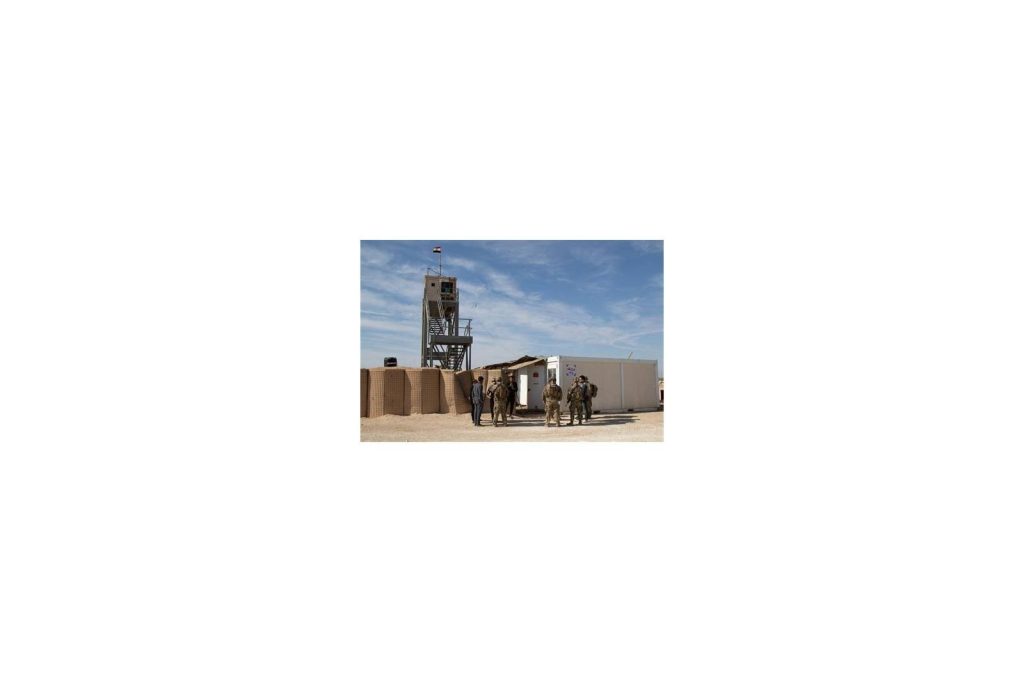
Five days after the killing, on January 8, 2020, Iran retaliated by launching over a dozen ballistic missiles at Al Asad Airbase and another facility in Erbil, Iraq. More than 100 U.S. service members were injured in that barrage. The exchange pushed the United States and Iran to the edge of a broader conflict; for a period, the region held its breath. The assassination of Soleimani reshaped the security landscape in Iraq and the wider Middle East. Threats against U.S. officials increased in its aftermath. For the families of American service members stationed in Iraq, the event was a stark reminder of the dangers their loved ones face daily. The near-war scenario underscored how quickly tensions can escalate. The strike remains one of the most consequential military actions of the Trump administration, demonstrating a willingness to take direct, lethal action against senior Iranian military figures.
Soleimani’s Rise and Enduring Influence
Qasem Soleimani rose from modest beginnings in a rural Iranian village. Born in 1957, he left school as a teenager and worked construction before joining the newly formed Islamic Revolutionary Guard Corps after the 1979 Iranian Revolution. His early years in the IRGC were marked by rapid advancement, fueled by the upheaval of post-revolutionary Iran and the Iran-Iraq War that followed. By the late 1990s, Soleimani had taken command of the Quds Force, the IRGC’s elite extraterritorial unit responsible for covert operations beyond Iran’s borders. Under his leadership, the Quds Force became a central instrument of Iranian foreign policy, extending Tehran’s influence across the region through training, funding, and equipping allied militias. Soleimani was the architect of Iran’s strategy to preserve the Syrian government during the country’s civil war, securing Russian intervention that shifted the conflict’s momentum. He cultivated deep ties with groups such as Hezbollah in Lebanon and various Iraqi militias, embedding Iranian operatives within local conflicts to expand Tehran’s reach. The Quds Force operated in the shadows, blending military action with political maneuvering to shape outcomes in Iraq, Syria, Lebanon, Yemen, and beyond. Western intelligence services and regional governments long viewed Soleimani as a shadow commander whose networks posed direct threats to their interests—particularly American forces and allies in the Middle East. Soleimani himself was a figure of near-mythic status in Iran, often portrayed as a selfless protector of the Islamic Republic’s revolutionary ideals. State media elevated him to national hero, and he was widely regarded as second only to Supreme Leader Ali Khamenei in power. His death in 2020 removed a man whose name had become synonymous with Iran’s regional ambitions and its ability to project force indirectly through proxies.
Ongoing Volatility and Precedent
As of July 2026, the region remains volatile. The killing of Soleimani did not end Iranian influence in Iraq or Syria. The IRGC continues to operate through proxies. What remains to be seen is how future administrations will manage the risk of escalation with Iran. The drone strike at Baghdad International Airport set a precedent. Whether that precedent leads to stability or further conflict is an open question. The strike did not occur in isolation; it capped years of escalating tensions between the United States and Iran, marked by proxy clashes, cyberattacks, and tit-for-tat seizures of ships and personnel. Why this matters now is not just historical. The killing of Soleimani remains a flashpoint in Middle East security, a moment when covert rivalry turned overt. It reshaped the calculus of deterrence between Washington and Tehran, raised the stakes for allied militias in Iraq, and intensified scrutiny of Iran’s evolving military footprint. For policymakers, analysts, and regional actors, Soleimani’s absence created both uncertainty and opportunity—shifting power balances and altering the risk of wider conflict. His legacy endures in the continued presence of Iranian-backed forces in Syria and Iraq, the unresolved tensions with Israel, and the enduring question of how far Iran will go to protect its interests abroad.




