
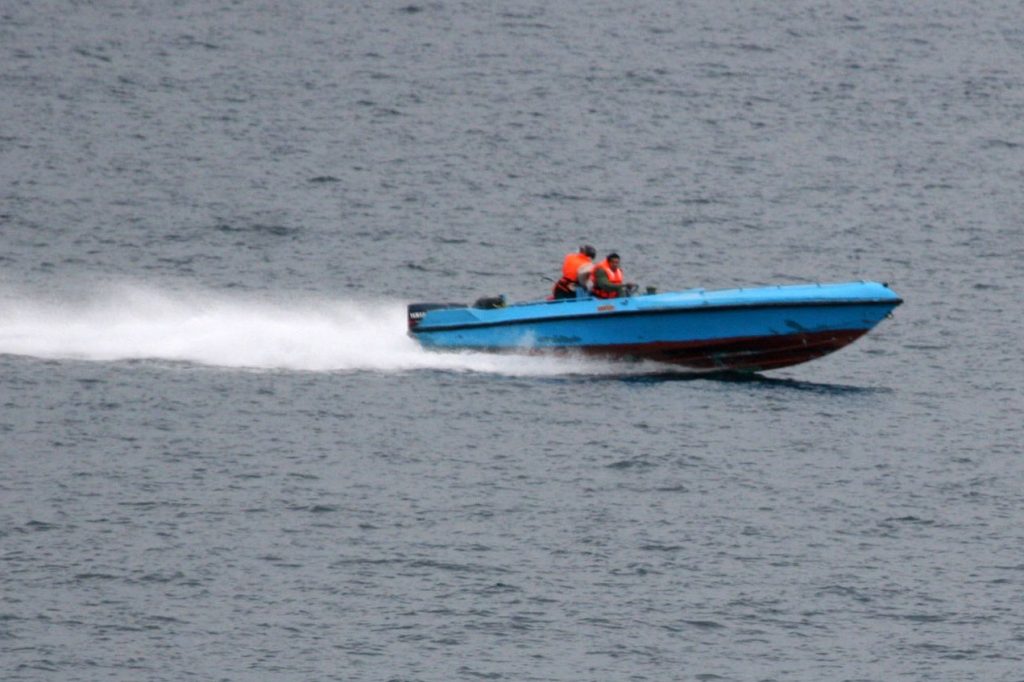
Iran’s Islamic Revolutionary Guard Corps Navy declared the Strait of Hormuz closed indefinitely as of today, state media reported, blocking a waterway that funnels roughly one-fifth of the world’s oil supply. The directive, issued by Rear Admiral Alireza Tangsiri’s force, marks the first extended halt to traffic through the strategic chokepoint and escalates a regional standoff that has built steadily over recent weeks.
The Islamic Revolutionary Guard Corps, created in 1979 after the Iranian Revolution, operates its own naval branch separate from Iran’s regular navy. Tangsiri, who has commanded the IRGC Navy since 2018, has previously warned that his forces would seal the strait in response to sanctions or military actions. The closure announced on April 28 fulfills those threats and upends a route that the U.S. Energy Information Administration recorded carrying approximately 17 million barrels of oil per day in 2023.
Sequence of Incidents Preceding the Closure
The closure did not emerge from a vacuum. On March 23, 2025, the United States conducted airstrikes against IRGC positions in Syria. Weeks later, on April 15, Iran seized a commercial tanker in the Strait of Hormuz itself.
The IRGC Navy’s announcement on April 28 followed those confrontations and came without a specified end date. The timeline suggests a calibrated escalation, with each action narrowing the margin for a diplomatic exit.
The Strait of Hormuz is the sole sea passage linking the Persian Gulf to the open ocean. It sits between Iran to the north and the Musandam Peninsula of Oman to the south, with a small segment of that peninsula held by the United Arab Emirates. At its narrowest point the waterway measures 21 miles across, while shipping lanes in each direction are only 2 miles wide.
That compressed geography makes the strait inherently vulnerable to disruption—a single vessel or minefield can halt traffic for days or longer.
Strategic and Economic Stakes of a Closed Chokepoint
The waterway has long ranked among the world’s most strategic choke points because of its role in global energy flows. For several years before the mid-2020s, a large share of global liquefied natural gas and seaborne oil trade moved through it annually, making it the main petroleum route for Europe and Asia.
Several Gulf states depend on the strait as their only maritime outlet, leaving them exposed when Iran restricts passage. Past Middle East conflicts saw no extended closure of the passage, though Iranian authorities at times threatened to seal it and prepared to lay mines. Those threats gained weight when a later war brought a sustained blockade and a regional crisis centered on the strait.
The current closure revives a long-dormant risk and shows why the route’s status shapes energy security well beyond the Gulf. The legal framework for the waterway is ambiguous.
The United Nations Convention on the Law of the Sea, which Iran signed in 1982 but has not ratified, guarantees the right of passage through international straits. That principle now faces a direct test. The U.S. Fifth Fleet, based in Bahrain, had not issued a formal response to the closure as of available reports. The disruption of oil shipments through the strait could affect global supplies, prices, and shipping routes.
With 17 million barrels of oil passing through daily in 2023, the loss of that volume represents a significant shock to markets. The situation remains fluid.
For now, the strait stays closed, and the consequences for international energy markets and regional stability have only begun to unfold.




