
In a worrying trend, the number of births in Germany has significantly decreased over the past two years. According to a report by the Ifo Institute for Economic Research, the national birth rate dropped by 13% between 2021 and 2023. The decline is even more pronounced in eastern Germany, where it stands at 17.5%.
The Ifo Institute, one of Germany’s most prominent think-tanks, published these findings. The Frankfurter Allgemeine Zeitung ranks Ifo as the country’s leading economics research institute, giving the report considerable weight.
The report attributes the decline in birth rate to three overlapping factors: the COVID-19 pandemic, the war in Ukraine, and high inflation. Let’s delve into each. Firstly, the COVID-19 pandemic disrupted daily life in Germany for two years. Lockdowns led to school and daycare center closures, and restrictions on social contact.
Many couples postponed or even abandoned plans to start a family due to the uncertainty. The economic fallout was real, with job losses and slow recovery, coupled with drained savings.
For many, the window for having a child narrowed. Secondly, the invasion of Ukraine by Russia in February 2022 sent energy prices soaring. Germany, heavily dependent on Russian gas, felt the impact acutely.
Consumer confidence plummeted as people worried about heating bills, food costs, and the future of the economy. Such conditions are not conducive to starting a family.
Lastly, inflation added to the woes. By the end of 2022, German inflation was over 8%. Groceries, rent, and energy all became more expensive.
Raising a child in Germany is already costly, considering daycare costs, clothing, and housing space. When prices rise faster than wages, families often cut back.
For many, the decision to limit their family size changed, with one child becoming the norm, or some opting for none. The report reveals that eastern Germany experienced the most significant decline. The region already had a lower birth rate compared to the west.
Its economy is less diverse, making it more vulnerable to shocks like the pandemic and the energy crisis. Younger adults have moved west for work, leaving an older population in the east.
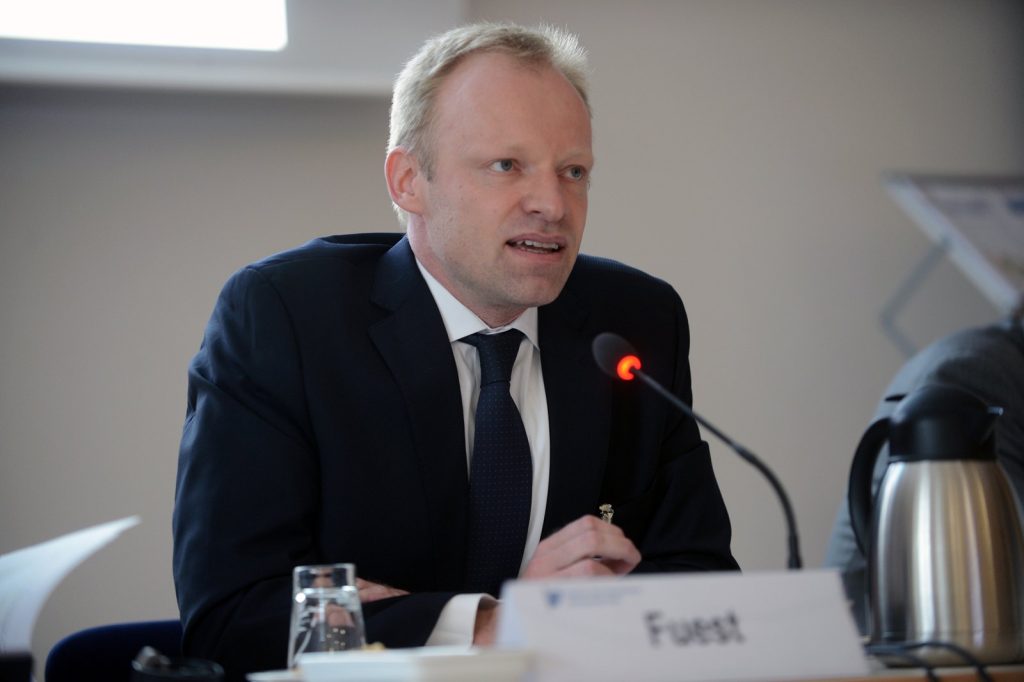
This aging population and the decrease in childbearing-age individuals contribute to the decline in birth rate. The 17.5% drop is not an anomaly; it’s a symptom of deeper structural issues. Clemens Fuest, president of the Ifo Institute, described the decline as a complex issue requiring a comprehensive approach.
This is think-tank language for: no single policy solution will suffice; multiple policies addressing childcare, economic stability, housing, and confidence are needed. Germany has implemented some of these policies, such as generous parental leave and child benefits.
However, the trend continues to worsen. A shrinking birth rate means a shrinking workforce. This translates to fewer young people contributing to the pension system and supporting an aging population. Germany already has one of the oldest populations in Europe, and this trend accelerates that.
The Ifo report serves as a warning. Berlin policymakers have options to address the issue, such as providing more financial support for families, improving access to childcare, and implementing measures to stabilize the economy and restore confidence.
However, the causes are intricate and intertwined, and improvements may not be immediate. The birth rate may not recover even if conditions improve, as those who delayed childbirth in their twenties and thirties may never have children. Germany is not alone in this; many European countries have seen a decline in birth rates since 2020.
However, the scale of the German decline stands out in the data.
Related Stories
Ringgit Falls to 4.5028, Lowest Since 1998 Crisis MAA Group Shares Plunge 40% Since April 2021




