
On November 13, 2024, Turkish President Recep Tayyip Erdoğan declared that Turkey is halting all diplomatic relations with Israel and will not engage in any further development of bilateral ties. The announcement represents a notable shift in the already strained relationship between the two nations, which has been characterized by periodic cooperation and conflict over issues such as the Palestinian question and regional security.
Despite the declaration, the Turkish embassy in Tel Aviv will continue to operate, indicating that some form of communication and representation remains in place even as formal diplomatic links are severed. This partial maintenance of presence has added to the complexity of the situation, as it suggests a nuanced approach to the suspension.
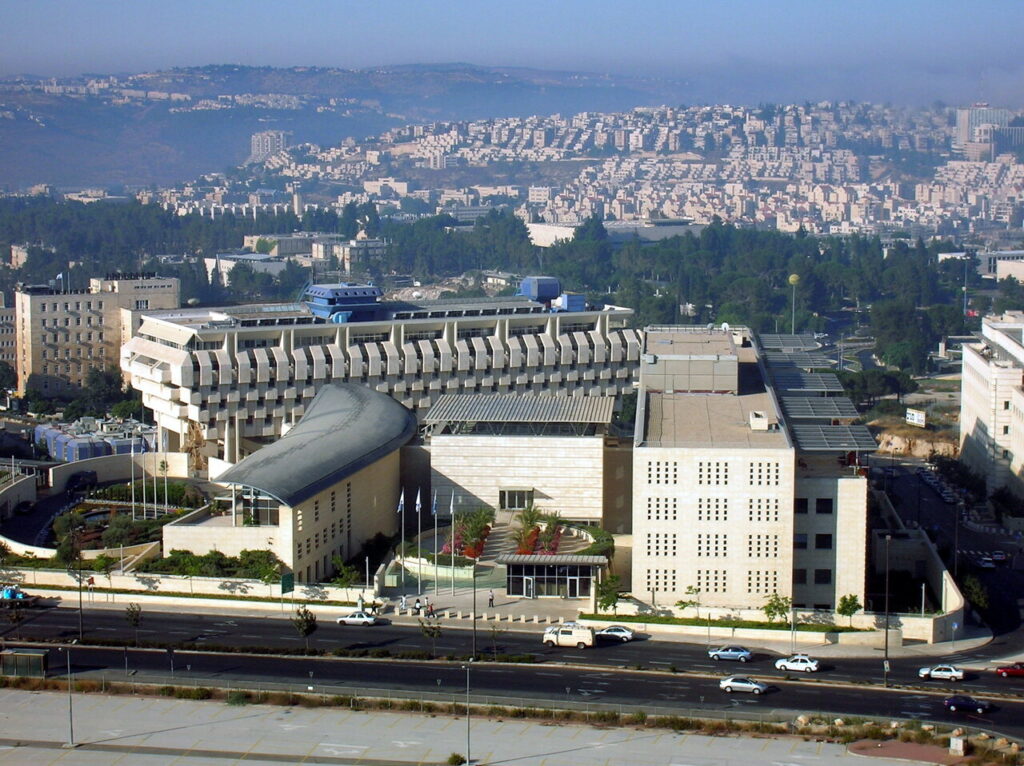
Israel’s foreign ministry responded quickly, denying any change in its diplomatic relationship with Turkey. This denial highlights a discrepancy between the two countries’ accounts of the current status of their ties. The conflicting statements from Ankara and Tel Aviv underscore longstanding tensions and mutual mistrust that have defined their interactions for years.
The decision could have significant implications for regional dynamics, particularly within Middle Eastern geopolitics. Turkey’s move may align with the interests of other regional actors, such as Iran, which has historically been at odds with Israel. However, such alignment could complicate Turkey’s relationships with Western nations, including the United States, which maintains strong ties with both Turkey and Israel. The sitting US President will likely face pressure to balance strategic alliances while promoting regional stability.
From a broader perspective, the suspension reflects shifting alliances and escalating tensions globally. The role of China, as a rising global power, in influencing these dynamics remains uncertain, as its stance on the Israel-Turkey issue is not yet clear. Meanwhile, Iranian government actions in the region continue to concern Western powers and their allies, including Israel.
As the international community seeks clarity on the implications of Erdoğan’s announcement, the key to understanding its full impact lies in the actions that follow. Whether Israel’s denial of changed diplomatic relations holds, and how the continued operation of the Turkish embassy in Tel Aviv affects practical interactions, will be crucial indicators of what this suspension truly means for the future of Turkey-Israel relations. The delicate balance of power in the Middle East has been altered, and responses from regional and global actors will be pivotal in determining the course of events in the coming days and weeks.




